 English
 Arabic
 Chinese (Simplified)
 Dutch
Dutch French
 German
 Italian
 Portuguese
 Russian
 Spanish
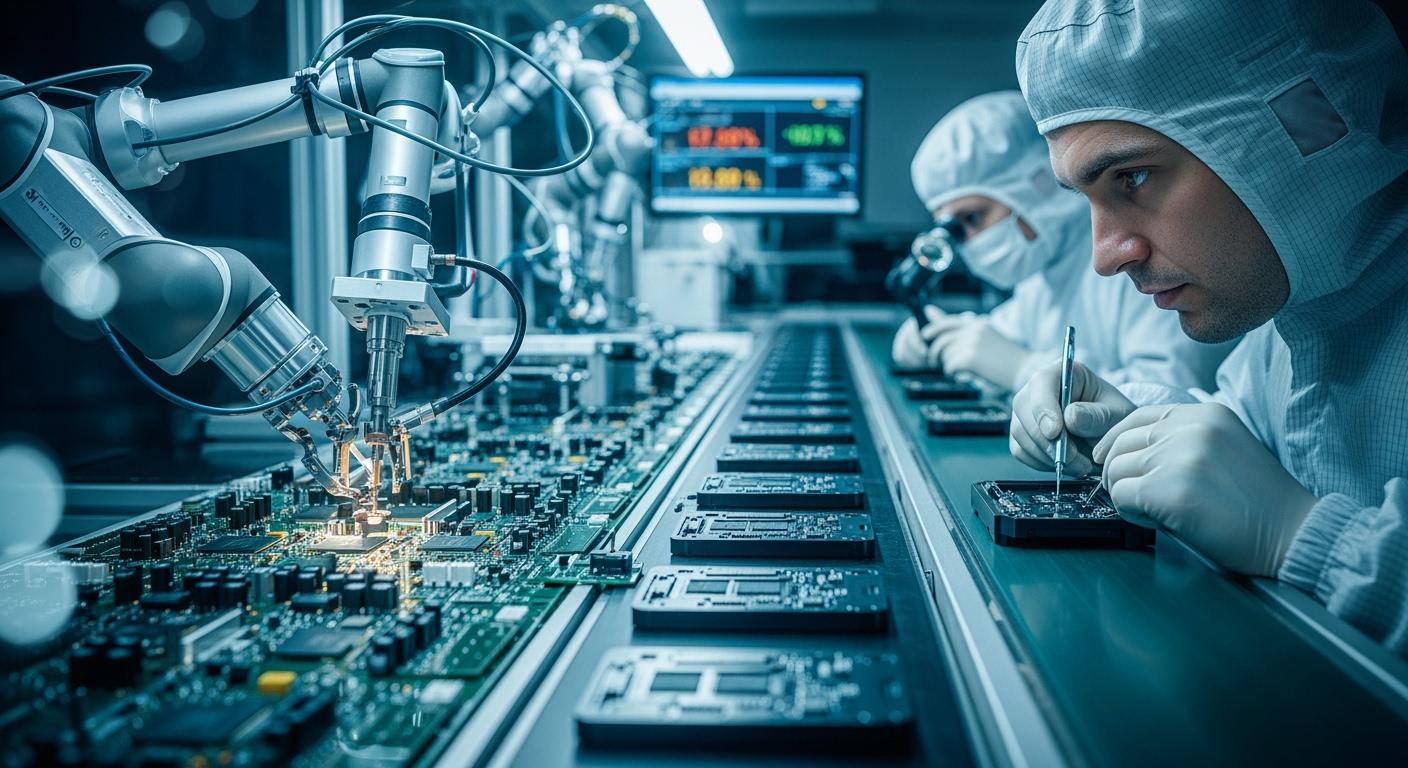
You use electronic manufacturing services to make your electronic ideas real. EMS helps with every step, from design to putting parts together. This makes EMS very important for today’s electronics. If you work with an EMS provider, you get special skills and better tools. This helps original equipment manufacturers focus on new ideas. Experts take care of making the products. The EMS market is growing fast, as you can see below:
| Year | Market Size (USD Billion) | CAGR (%) |
|---|---|---|
| 2024 | 203.92 | N/A |
| 2032 | 648.04 | 8.05 |
You can see that companies like KING FIELD give one-stop PCB/PCBA services. This helps your projects stay fast and high quality.
Key Takeaways
- EMS providers help make your electronic ideas real. They manage the whole product lifecycle, from design to delivery.
- Using EMS can help you save money. You can buy in bulk and lower overhead costs. This lets you spend more on growth and new ideas.
- EMS gives you access to expert teams and advanced technology. This makes sure your products are high-quality and reach the market faster.
- Flexible production lets you make more or less based on demand. This helps you change with the market.
- Picking the right EMS provider is very important. Check their skills, certifications, and how well they communicate. This helps you have a good partnership.
Electronic Manufacturing Services Overview
What Is EMS?
Electronic manufacturing services help you make your ideas real. EMS covers everything from design to delivery. You can count on an EMS provider for research and development. They help with prototyping and manufacturing too. EMS gives you good tools and skilled teams. You can focus on new ideas while experts build your products.
Electronic manufacturing services offer many things. Here are the main parts:
| Service Offering | Description |
|---|---|
| Component Sourcing & Procurement | Global sourcing, inventory management, and obsolescence management to ensure component availability. |
| Testing & Quality Control | Various testing methods including AOI, ICT, and functional testing to ensure product quality. |
| Logistics & Fulfillment | Services including warehousing, order fulfillment, and after-sales support to deliver products. |
You get help with product development and fast prototyping. EMS helps with PCB assembly, box build, testing, supply chain, and repairs. EMS lets you bring products to market quickly and saves money. You can use EMS to lower risks and grow production as needed.
EMS is different from electronic contract manufacturing. EMS providers do more jobs. You get help with design, development, and making products. Contract manufacturers mostly focus on production. EMS providers take on more work and risk. They help you manage the whole product lifecycle.
| Aspect | EMS Providers | Contract Manufacturers |
|---|---|---|
| Scope | Offer a range of services including product design and manufacturing. | Primarily focus on manufacturing services contracted by OEMs. |
| Responsibility | Often take on more operational responsibilities and risks associated with product development. | Mainly responsible for manufacturing, with OEMs handling market risks. |
| Business Model | Can be vertically integrated, providing end-to-end services. | Operate under contracts to support OEMs in bringing products to market. |
| Risk Management | More exposed to market risks due to inventory and operational costs. | Generally risk-averse, focusing on manufacturing efficiency. |
EMS providers help you at every stage. Contract manufacturers only handle production.
EMS Provider Roles
EMS providers do many jobs during the product lifecycle. They make functional specifications and prototype products. They check designs to make sure they work. EMS helps with industrialization, which gets products ready for mass production. EMS manages new product introduction, including codification, testing, and process integration.
EMS providers handle mass production. They use quality checks to keep products the same. You also get after-sale service, like repairs and returns.
- Design services: You get help with specs, prototyping, and checking designs.
- Industrialization: You get support for tooling and compliance.
- New Product Introduction: You get codification, testing, and integration.
- Mass Production: You see steady quality and bigger output.
- After Sale Service: You get repairs and customer support.
EMS providers help you develop products and enter the market. You get expert help and new ideas. You save money and lower risks. You can grow your business as needed. EMS lets you focus on what you do best.
EMS providers do more than contract manufacturers. You get support from start to finish. You can trust EMS providers to help you succeed in electronics.
EMS Process Guide
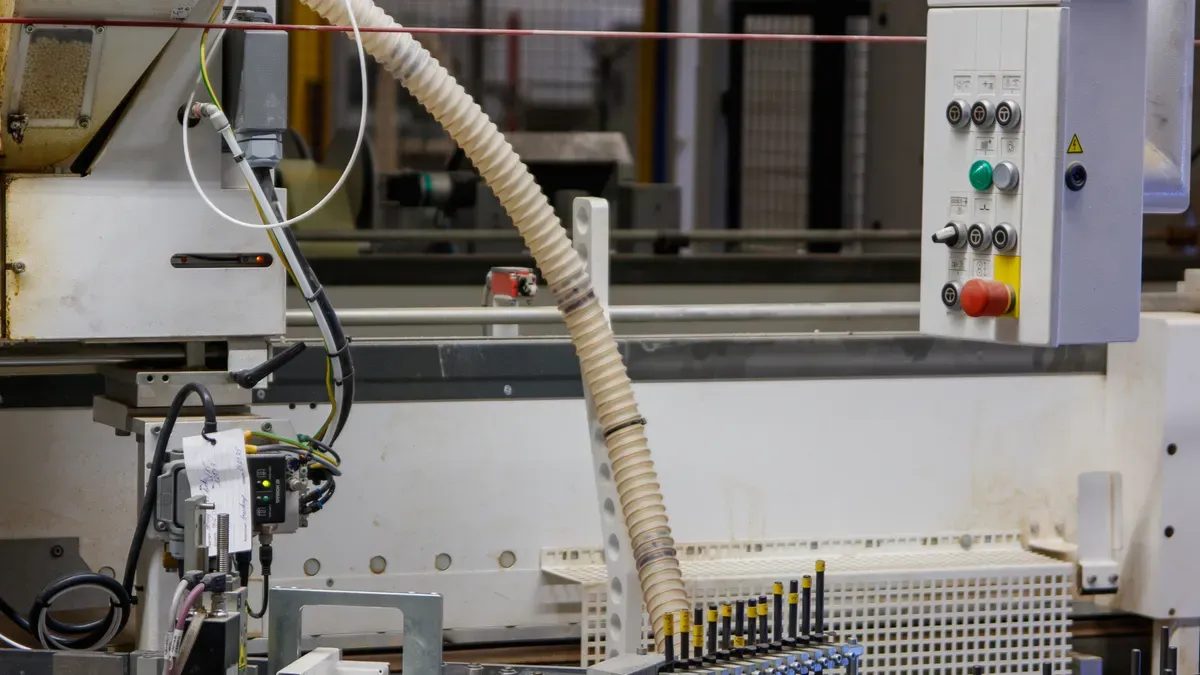
If you want to know how EMS works, this guide will help. You will learn about each step, from the first idea to support after making the product. KING FIELD’s one-stop PCB/PCBA service shows how a full process can make your project easy and successful.
Design and Engineering
You begin with design and engineering. This is when your idea turns into a real plan. You work with engineers to make sure your product meets rules and works well. The steps are:
- Concept and Design: You share your idea. Engineers help you improve it and check for rules.
- Prototyping: You get a first model to test and find problems early.
- Component Sourcing: You pick the best parts, thinking about quality and supply.
- PCB Assembly: You choose the right way to put your board together.
- Testing and Validation: You check if the product works in real life.
- Mass Production: You plan to make many units and keep quality high.
- Logistics and Delivery: You get help with shipping and tracking your products.
You also use special design ways to make your product easy to build and test. These include:
- Design for Manufacturing (DFM): You make sure your design fits the way things are made.
- Design for Testing (DFT): You add spots for easy testing.
- Design for Assembly (DFA): You plan for simple and mistake-free assembly.
- Design for Excellence (DFX): You focus on quality, how well it works, and cost.
Getting EMS providers involved early helps you avoid problems later. They use DFM ideas and check your design to save time and money. Here is a table that shows how they help:
| Aspect | Description |
|---|---|
| Early Involvement | You get help early to match your design with how things are made. |
| DFM Principles | You make sure your product works well and follows safety rules. |
| CAM Review | Engineers check your board to make it easy to build. |
| Cost Reduction | You save money and time but keep good quality. |
Prototyping and Development
Prototyping and development help you turn your design into something that works. You work with engineers to make digital designs and PCB layouts. Then, you build a prototype using new tools. This step lets you test your idea before making lots of units.
| Step | Description |
|---|---|
| Design and Engineering | You work with experts to make digital designs and PCB layouts. |
| Prototype Fabrication | You build a real model using high-tech tools. |
| Testing & Validation | You test the prototype and get feedback to make it better. |
You get help making your design better and building early units. This helps you find and fix problems before making many products. Usually, you make a few samples to check both the design and how you build it.
Rapid prototyping gives you many good things:
- You can check your design faster.
- You spend less time on each version.
- You find design problems early.
- You work in short, quick cycles.
- You get feedback fast.
This way helps you move from prototype to making products without waiting. KING FIELD uses rapid prototyping to help you meet tight deadlines and keep your project going.
PCB Assembly
PCB assembly is when your product starts to come alive. You start with your design and prototype. Then, you find and buy the right parts. Next, you build the PCB using new methods.
The main steps of PCB assembly are:
- PCB Design and Prototyping
- Component Sourcing and Procurement
- PCB Fabrication
- SMT and THT Assembly
- Inspection and Testing
- Conformal Coating and Potting (if needed)
- Final Quality Control
- Packaging and Shipping
You can use surface-mount technology (SMT) for small, packed boards or through-hole technology (THT) for strong connections. KING FIELD uses both ways to fit what you need. They also use automated optical inspection (AOI) to look for mistakes and make sure your boards are great.
New tools like IoT, AI, and analytics help you get better quality and faster results. These tools make the making process smarter and more steady.
Testing and Quality Control
Testing and quality control make sure your product works right. You use different ways to look for problems and keep quality high.
- Automated Optical Inspection (AOI): You use cameras to find mistakes on the board.
- In-Circuit Testing (ICT): You check if all parts connect and work.
- Functional Testing: You make sure the product does its job.
- Statistical Process Control (SPC): You watch the process to keep quality steady.
- Traceability Systems: You track every part for safety and rules.
Here is a table that shows these ways:
| Testing Method | Description |
|---|---|
| Automated Optical Inspection (AOI) | Cameras find mistakes like bad solder or wrong parts. |
| In-Circuit Testing (ICT) | Checks if all parts connect and work right. |
| Functional Testing | Makes sure the product works in real life. |
| Statistical Process Control (SPC) | Uses numbers to keep the process steady and quality high. |
| Traceability Systems | Tracks parts for safety and following rules. |
You also follow world rules like ISO 9001, IPC, and RoHS/REACH. These rules help you keep your products safe, steady, and legal.
Supply Chain Management
Supply chain management helps you get the right parts at the right time. You work with trusted suppliers and keep a list of approved vendors. You watch lead times, prices, and part supply all the time. You plan materials in different places and follow all rules.
You get these good things:
- Early warning about shortages or parts that will end soon
- Other sources during supply problems
- Steady prices with long deals
- Trust in part tracking and following rules
You also see your inventory in real time, track lots, and use just-in-time delivery. Safety stock programs help you not run out of parts. Vendor-managed deliveries and group shipping save you time and money. You can track shipments and work with customs easily.
To avoid supply chain problems, you:
- Find backup suppliers
- Watch the market all the time
- Use flexible deals
KING FIELD’s flexible supply chain lets you change fast and keep your project moving.
Aftermarket Services
Aftermarket services give you help after your product ships. You get help with repairs, warranty, and end-of-life management. These services help you keep your customers happy and your products working longer.
| Service Type | Description |
|---|---|
| After-sales support | You get help and repairs after your product ships. |
| Warranty support | You get coverage for problems after buying. |
| End-of-life management | You get help recycling or retiring old products. |
| Custom solutions | You get special help for your needs. |
| Repair services | You get fixes for problems that come up later. |
| Product support | You get ongoing help even after launch. |
Extra services like repairs and fixing old products help you manage your product’s whole life. KING FIELD gives strong support after making the product so you can keep your products running and your customers happy.
This guide shows you how EMS covers every step, from design to support after making the product. You get new manufacturing, fast prototyping, and a flexible supply chain. KING FIELD’s one-stop service helps you do well at every stage.
EMS Benefits
Cost Efficiency
You spend less money when you use ems. EMS providers buy lots of parts at once. This makes each part cheaper. You do not need to buy expensive machines or buildings. This helps you avoid big spending and keeps your costs low.
Sharing tools, buying in bulk, and better ways to make things can help OEMs spend less.
Here is a table that shows how you win:
| Benefit | Description |
|---|---|
| Economies of scale | EMS providers make more units, so each one costs less. |
| Reduced overhead costs | OEMs do not pay for buildings or equipment. |
| Streamlined processes | Better ways to make things lower the total cost. |
Many companies save 15% to 30% when they use electronic manufacturing services. You can use this extra money to grow your business or try new ideas.
Access to Expertise
You get skilled teams and new technology with ems. EMS providers use smart ways to make things and strong quality checks. This help lets you make better products and sell them faster.
- EMS providers use new ways to make products and help you improve.
- They check quality to make sure your products work well.
- You can focus on your main job and let experts handle making things.
You get fewer delays and better products. This helps you stay ahead of other companies.
Scalability
You can change how much you make with ems. EMS providers let you make more or less, depending on what you need. If you need more or less, you do not have to worry.
- EMS providers let you change how much you make to fit demand.
- They can change fast to match the market.
- You can start new products or stop old ones without wasting money or time.
This flexibility lets you grow or shrink your business when you need to.
Quality Assurance
You get strong quality checks with ems. EMS providers use many tests to make sure your products are good. They follow rules like ISO 9001 and track every part.
- Quality checks include automatic inspections and testing.
- You get good products every time.
- EMS providers help you follow safety and legal rules.
This focus on quality gives you confidence and keeps your customers happy.
Focus on Core Business
You can spend more time on your main job with ems. By letting others make your products, you can use your time for research, marketing, and sales.
- You do not need to handle hard production steps.
- You can grow your business and reach new markets.
- EMS providers take care of details, so you can focus on your goals.
You also get energy-saving ways to work, which help you save money and protect the planet.
EMS Applications
You can find electronic manufacturing services in many fields today. EMS helps turn new ideas into real things, like smart cars and medical devices. KING FIELD works with high-end industries such as industrial, automotive, and medical devices. Here are some main ways EMS is used and some new uses for the future.
Medical Devices
EMS is important for safe medical equipment. In this area, you must follow strict rules and keep good records. EMS providers help you meet FDA rules and use strong quality systems. You need to track every device and keep records. Some devices need special checks for cleaning and safe materials. These steps help new medical ideas and keep people safe.
- EMS providers follow FDA rules.
- They use strong quality systems for safety.
- You get full traceability and records.
- Some devices need sterilization and biocompatibility checks.
Automotive Electronics
EMS is used in cars, trucks, and electric vehicles. EMS providers use machines to make lots of parts fast. They must keep quality very high because safety matters. Car electronics must work in hot or cold places. Good supply chain management helps you get parts on time.
- EMS uses automated manufacturing for high volumes.
- Zero-defect quality is a must.
- Electronics must survive harsh environments.
- Supply chain management keeps production smooth.
EMS providers also follow rules like ISO 9001, IPC-A-610, and RoHS. These rules help you meet customer needs and protect the environment.
Consumer Electronics
EMS is used for phones, tablets, and smart home devices. EMS helps you launch products quickly and follow trends. You get help with design, building, and testing. This support lets you focus on new features and user experience. EMS providers help you make more products when demand goes up.
Industrial Automation
EMS is found in factory robots, sensors, and control systems. EMS helps you make products that work all day and night. You get strong testing and quality checks. This support helps you avoid problems and keep your systems working. EMS providers help you use new technology and meet changing needs.
Aerospace and Defense
EMS is needed for important systems in planes and defense tools. EMS providers use advanced tests and strict quality checks. You get products that meet tough safety and reliability rules. EMS helps you handle complex supply chains and follow new rules.
EMS is used in more areas as technology grows. You see new uses in wearable health devices, electric vehicles, and smart factories. These new uses show how EMS helps bring new ideas to many industries.
EMS Provider Selection
Picking the right ems provider is very important. It helps your project do well. You need to think about a few key things before you choose. Each thing helps you get the best product.
Evaluation Criteria
Check if the ems provider can do every part of your project. Look at their skills and how they talk to you. Also, see if they have good quality systems. The table below lists the main things to check:
| Criteria | Description |
|---|---|
| Manufacturing Capabilities | Skills like PCB assembly, system integration, testing, and checking. |
| Quality Systems and Certifications | Certifications like ISO 9001, ISO 13485, and IATF 16949 show they are reliable. |
| Technical Capabilities | Can they handle hard PCBs, assembly, and follow rules? |
| Financial Stability | Good money health means they can help you for a long time. |
| Communication | Clear updates and feedback keep your project on track. |
Ask for proof of these things before you pick a provider.
Capabilities and Certifications
Make sure your ems provider has the right certifications. These show they follow the rules and keep your products safe. Here are some important certifications:
| Certification | Sector |
|---|---|
| ISO 9001 | General Quality Management |
| ISO 13485 | Medical Devices |
| AS9100 | Aerospace |
- For medical devices, the ems provider must follow FDA rules.
- They need strong quality systems to keep products safe.
- They must keep good records and track every part.
- For aerospace and defense, look for AS9100 and ITAR certification.
These certifications help you trust your provider with your important products.
Partnership Management
You should work well with your ems provider. Good teamwork helps you fix problems fast. You need clear goals and regular meetings. Share updates and listen to feedback. This helps both sides do better work.
Tip: Pick an ems provider who talks openly and helps you grow.
A good partnership means you get better products and reach your goals faster.
EMS Trends and Challenges
Automation and Industry 4.0
Technology is changing electronic manufacturing services a lot. Automation and Industry 4.0 bring new tools to factories. Machines can talk to each other and make choices quickly. Robots help with tough jobs and make fewer mistakes. This means products get better and cost less to make. Here is a table that shows how new technology affects EMS:
| Technology | Impact on EMS |
|---|---|
| Cyber-Physical Systems (CPS) | Makes factories smarter and connects machines for better accuracy. |
| Edge Computing | Helps factories make decisions faster and saves bandwidth. |
| Advanced Robotics | Does hard tasks, increases productivity, and lowers human mistakes. |
- Factories work faster.
- Companies spend less money.
- Products are higher quality.
- Big investments and cybersecurity risks need attention.
Sustainability
New rules and people want factories to be eco-friendly. EMS companies try to use less energy and recycle more. They follow environmental laws and manage electronic waste. The table below shows common problems and ways to fix them:
| Challenges | Solutions |
|---|---|
| Need for eco-friendly practices | Green manufacturing |
| Compliance with environmental regulations | Lower energy use |
| Management of electronic waste | Recycling programs |
Choosing EMS providers who care about the planet helps protect the environment.
Supply Chain Risks
Supply chain risks happen all the time. Shortages, delays, and price changes can slow your project. You need backup suppliers and good planning. Real-time tracking helps you spot problems early. Flexible supply chains let you change plans fast. Staying alert and planning ahead keeps your project moving.
Customer Demands
Customers want faster delivery and better products. They ask for new features and high quality. EMS providers must react quickly and change to meet these needs. You get flexible production and strong support. Future trends include smarter factories and more focus on making customers happy. Electronics manufacturing faces challenges, but new solutions are coming.
You now know that electronic manufacturing services help make ideas real. The EMS process includes design, building, and support. You save money and get expert help and good quality. Many industries use EMS to grow and improve. Picking an EMS provider helps your project do well. Watch for new trends and get ready for what comes next. KING FIELD is here to help you with the future of electronics.
FAQ
What is the difference between PCB and PCBA?
A PCB is the main board for electronics. A PCBA is a PCB with all its parts on it. You need a PCBA to make your device work.
How fast can an EMS provider deliver prototypes?
You can get prototypes in just a few days. The time depends on your design and if parts are ready. Fast EMS providers like KING FIELD help you finish on time.
Why should you choose a one-stop EMS provider?
You save time by using one provider for every step. You get design, assembly, testing, and delivery all together. This makes your project simple to handle.
What industries benefit most from EMS?
EMS is used in medical, automotive, consumer electronics, industrial, and aerospace. These fields need high quality and quick production.