 English
 Arabic
 Chinese (Simplified)
 Dutch
 French
 German
 Italian
 Portuguese
 Russian
 Spanish

Introduction
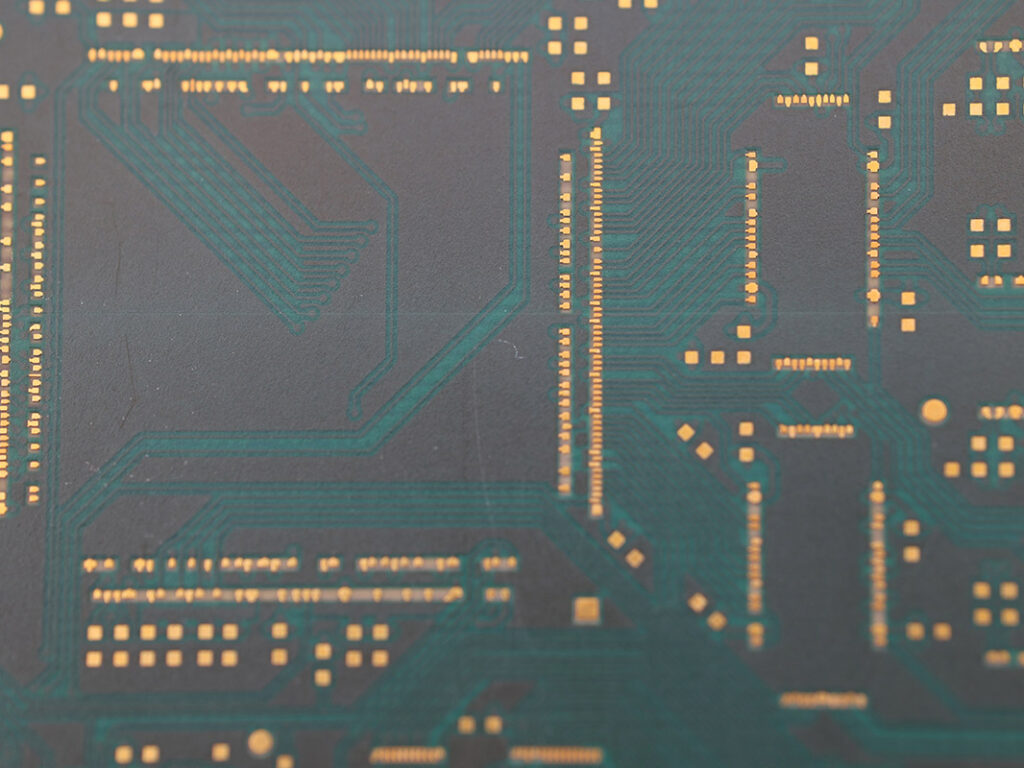
Choosing the right solder for your PCB assembly project isn’t just a technical detail—it’s a strategic decision that impacts the reliability, regulatory compliance, manufacturability, inspection, cost, and environmental footprint of almost every electronic device you use daily. The debate of lead solder vs. lead-free solder crops up in board rooms, R&D labs, and electronics repair shops around the world. Each option brings its own set of properties, advantages, disadvantages, and compliance considerations for both printed circuit board soldering and broader electronics assembly.
In the past, lead solder (most notably the Sn63/Pb37 eutectic tin-lead solder alloy) was the undisputed standard for PCB solder joints, prized for its low melting point, exceptional wetting properties, and ease of use. However, the global electronics industry faces growing scrutiny over toxic materials, worker safety, and environmental impact. The introduction of the Restriction of Hazardous Substances (RoHS) Directive and similar regulations forced manufacturers to adopt lead-free solder alternatives, such as SAC305 (tin-silver-copper) and other lead-free alloys. Today, most consumer and industrial PCB assemblies are built using lead-free soldering to achieve RoHS compliance and support sustainable, responsible electronics manufacturing.
Each approach presents challenges and trade-offs that go far beyond simply melting metal onto pads and leads. For example, lead-free solder requires a higher soldering temperature, which can stress sensitive electronic components and PCB laminates. This, in turn, may affect assembly yield, introduce new failure modes, and demand updated thermal profiles and reflow processes. Meanwhile, lead soldering remains favored in some high-reliability, legacy, or exempt sectors (aerospace, military, select repairs) due to superior joint ductility, easier rework, and proven long-term performance.
What Is Lead Solder?
Lead solder is a metal alloy, traditionally composed of tin (Sn) and lead (Pb), that has been used for decades in the PCB soldering and electronics assembly industries. The most iconic blend is Sn63/Pb37, known as eutectic tin-lead solder, which melts at a consistent temperature of 183°C. This eutectic property means the alloy transitions directly from solid to liquid without passing through a plastic, slushy state, making it ideal for quick, clean, and controllable soldering.
Common forms and applications:
- Solder wire (for manual soldering)
- Solder paste (for SMT reflow)
- Solder bars or rods (for wave soldering or dip soldering)
Lead solder’s reputation comes from its excellent wetting characteristics, ease of achieving strong solder joints, and compatibility with a wide range of electronic components. It was, until recently, the foundation of almost all printed circuit board soldering for consumer, industrial, automotive, and military devices.
Typical Use-Cases:
- Hand assembly and repair (thanks to its forgiving process window)
- Military, aerospace, and medical electronics (where RoHS exemptions apply)
- Legacy and high-reliability products
What Is Lead-Free Solder?
In response to health, safety, and environmental regulations—such as the European RoHS Directive—the electronics industry moved toward lead-free solder for nearly all new designs and mass-market products. Instead of lead, manufacturers use alternative alloying metals like silver (Ag), copper (Cu), bismuth (Bi), and others combined with tin.
The most common lead-free solder is:
- SAC305 (96.5% tin, 3.0% silver, 0.5% copper)
- Melting range: 217–221°C (significantly higher than Sn63/Pb37)
Other alternatives include tin-copper (for cost efficiency) and tin-silver. These alloys are available in paste, wire, and bar forms for reflow, hand soldering, and wave soldering.
Lead-free PCB assembly requires:
- Higher process temperatures (can stress components/boards)
- Specialized RoHS-compliant manufacturing lines to avoid cross-contamination
- Updated thermal profiles and material compatibility checks
Typical Use-Cases:
- Consumer electronics and mobile devices
- Medical, automotive, and industrial systems
- Anything exported to or sold in RoHS-compliant markets
Key Differences Between Lead and Lead-Free Solder
| Feature | Lead Solder (Sn63/Pb37) | Lead-Free Solder (SAC305, etc.) |
|---|---|---|
| Melting Point | 183°C (eutectic) | 217–221°C (non-eutectic, range) |
| Wettability | Superior; forms shiny, smooth joints | Less wetting, duller, more brittle joints |
| Solder Joint Strength | Good ductility and shock resistance | Sometimes higher tensile, but less ductile |
| Process Window | Wide, forgiving | Narrower; more precise process required |
| Inspection | Easy—bright, shiny joints | Hard—matte/dull finish; cracks less obvious |
| Health/Environmental | Toxic: risk of lead exposure/contamination | Lower risk, less toxic, more eco-friendly |
| Regulatory Compliance | Not RoHS compliant (with exceptions) | RoHS/WEEE/China RoHS compliant |
| Cost | Lower material and process cost | Higher alloy, process, and energy cost |
| Reworkability | Easier to rework/repair | More difficult; higher temp, joint cracking risk |
Advantages and Disadvantages of Lead Solder
Advantages:
- Lower melting point (183°C): Minimizes thermal stress, making it appropriate for sensitive or vintage components.
- Superior wetting: Easily spread out, filling complex pad geometries and ensuring full coverage.
- Easier rework and repair: More forgiving for fixes and touch-up in PCB solder joints.
- Visual inspection: Produces shiny, reflective joints that make it easier to spot defects.
- Lower cost: Tin-lead alloys and associated processes are affordable and energy-efficient.
- Wide process window: Tolerates small errors in time or temperature.
Disadvantages:
- Health and environmental toxicity: Lead is a powerful neurotoxin, hazardous to workers and the environment.
- Regulatory restrictions: Banned for most consumer and professional products under RoHS and similar laws.
- Complex disposal/recycling: Electronic waste containing lead must be processed separately to avoid pollution.
- Limited future compatibility: Not suitable for most new products or global export.
Table: Where Lead Solder Still Prevails
| Industry | Reason |
|---|---|
| Aerospace/Defense | Reliability, legacy equipment, RoHS-exempt |
| Military | Field repair, proven history |
| Medical (select cases) | Safety-critical, process stability |
| Industrial Controls | Repair, high-vibration, extended lifetime |
Advantages and Disadvantages of Lead-Free Solder
Advantages:
- Environmental and worker safety: Contains far less hazardous material; less risk of lead exposure or contamination.
- RoHS compliance: Approved for use in consumer and commercial products worldwide.
- Suited for modern components: Most new ICs, BGA, and small-package parts are designed for lead-free assembly.
- Better for high-temperature and automotive: Greater thermal resistance for some applications.
Disadvantages:
- Higher melting temperature (217–221°C+): Increases energy use and risk of heat-related damage to sensitive boards or parts.
- More difficult rework/inspection: Joints are dull and less forgiving; special techniques and tools may be needed.
- Potential for brittle joints: SAC305, for instance, may crack in high-vibration or harsh environments.
- Higher material cost: Silver content and more complex alloys can drive up price.
- Shelf life and storage: Some lead-free pastes are less stable; must be tracked/managed carefully.
Table: Common Lead-Free Solder Alloys and Applications
| Alloy | Main Elements | Common Use |
|---|---|---|
| SAC305 | Tin, Silver, Copper | Most RoHS-compliant PCB assembly |
| SnAg | Tin, Silver | High-reliability electronics |
| SnCu | Tin, Copper | Lower-cost, non-critical applications |
| SnAgCuBi | Tin, Silver, Copper, Bismuth | Specialized aerospace/medical |
How to Choose: Lead vs. Lead-Free Solder for PCB Assembly
Selecting the right type of solder for PCB assembly is a decision that weighs technical, regulatory, environmental, and strategic factors.
Consider lead-free solder if:
- Your products must be RoHS-compliant for export or consumer sales.
- Your assembly line is fully modernized for high-temperature, precise reflow or wave soldering.
- You build new designs, especially for consumer, automotive, or medical markets.
- You want to reduce health and environmental liabilities or improve your ESG profile.
Consider lead solder if:
- You’re repairing, reworking, or manufacturing legacy or military/aerospace electronics not covered by RoHS.
- Your design uses components not certified for higher lead-free reflow temperatures.
- Visual inspection and ease of rework are daily production requirements.
- Your assemblies face high-stress or vibration environments (lead solder’s ductility is advantageous).
Other key factors to evaluate:
- Thermal profile of components and PCB substrate
- Solder-joint reliability requirements
- Legal regulations of your product’s destination markets
- Cost constraints and manufacturing capabilities
- Branding and customer expectations for “green” electronics
Summary Table: Lead Solder vs. Lead-Free Solder
| Feature | Lead Solder | Lead-Free Solder |
|---|---|---|
| Melting Point | 183°C | 217–221°C |
| RoHS Compliance | No (with exceptions) | Yes |
| Health/Environmental | Toxic | Safer |
| Solder Joint Appearance | Shiny | Dull/Matte |
| Mechanical Strength | Ductile, less brittle | More brittle |
| Reworkability | Easier | Harder |
| Inspection | Visual, intuitive | More difficult |
| Cost | Lower | Higher |
| Processing Temp Impact | Lower, safer for parts | Higher—care needed |
| Typical Application | Mil/Aero, repair | Consumer, new designs |
Best Practices and Tips for Solder Selection
Choosing the right solder alloy for your PCB assembly project demands careful assessment of your design, process, compliance, and application environment. Here are expert-backed best practices and actionable tips for solder selection and process optimization in electronics manufacturing:
1. Match Solder Type to Product and Process
- Check RoHS and market regulations: If you sell into the EU, China, or other RoHS-enforced regions, lead-free solder is generally required.
- Evaluate legacy and high-reliability needs: For aerospace, military, or repair work, lead-based solder may still be authorized or even preferred due to its joint ductility and long-term reliability.
- Assess board and component compatibility: Some legacy or highly sensitive components cannot survive lead-free reflow temperatures—confirm with suppliers before reflow.
2. Optimize Thermal Profiles and Reflow Settings
- Lead-free solder requires higher peak temperatures (often 235–245°C vs. 210–220°C for leaded).
- Preheat and ramp rates must consider the heat sensitivity of ICs, MLCCs, and substrates.
- Monitor component warpage and thermal-stress cracks, especially in dense SMT assemblies.
3. Design for Inspection and Rework
- Dull, matte finish of lead-free joints may hide cold joints or voids. Use AOI (Automated Optical Inspection) and consider X-ray for hidden or BGA packages.
- Plan for rework: Lead-free repairs demand tighter thermal control, and sometimes specialized irons or equipment for higher temps.
4. Manage Inventory and Storage
- Lead-free solder paste can have a shorter shelf life and may be prone to drying or oxidation—follow manufacturer handling recommendations strictly.
- Store solder wire, bars, and paste in cool, dry, clearly labeled areas to avoid mix-ups and cross-contamination.
5. Document and Control Process Changes
- Any switch from lead to lead-free solder—or vice versa—should be fully documented in your manufacturing quality control and design history files.
- Ensure that all assembly staff are trained for correct handling, health precautions, and process specifics for the chosen solder.
Conclusion
The debate of lead solder vs. lead-free solder is far more complex than choosing between two alloys; it’s a crossroads between proven reliability, worker and environmental safety, regulatory demands, and the technical realities of PCB manufacturing. Lead solder remains unmatched for rework, ductile joints, and thermal tolerance in legacy, aerospace, and military contexts, but brings serious environmental and health liabilities alongside tightening global restrictions. Lead-free solder—championed by SAC305 and similar alloys—enables the safe, compliant, and sustainable production of today’s consumer, automotive, and medical electronics, but requires a new discipline in process control, inspection, and sometimes repair.
Ultimately, the best solder for your project is dictated not just by melting point or price, but by a blend of application needs, company values, market destinations, and long-term compliance strategy. Discuss requirements with your PCB assembly services provider early, keep an eye on evolving regulations, and always use best practices for safety and reliability.
Frequently Asked Questions
Which solder is easier to use for PCB assembly: lead or lead-free?
Lead solder is generally considered easier due to its lower melting point, superb wetting, and gorgeous shiny joints that make visual inspection a breeze. Lead-free solder requires higher temperatures and stricter process control, but is now standard in RoHS-compliant manufacturing.
Is lead solder banned everywhere for electronics?
No. While many regions require lead-free solder due to RoHS or similar regulations, some countries and certain sectors (military, aerospace, some medical devices, field service) allow exceptions. Always check your product’s destination market.
Can I mix lead and lead-free solder on the same board?
It’s strongly discouraged due to differences in melting points and joint quality, and it may violate compliance. Mixed alloys can also create unreliable joints. Use only one solder type per assembly run and thoroughly clean equipment between types.
Are lead-free solder joints as reliable as leaded solder?
Modern SAC305 joints are robust for most applications, but leaded solder remains more ductile and tolerant to thermal cycling and vibration. For most consumer products, lead-free solder reliability is more than adequate if properly processed.
Why does lead-free solder require higher temperatures?
Because removing lead from the alloy raises the melting point. Most lead-free solders melt at 217–221°C, versus 183°C for tin-lead. This means adjustments in reflow profiles, storage, and component selection may be required.
What are the health risks of using lead solder?
Lead is a powerful neurotoxin. Prolonged or acute lead exposure can cause severe health issues—especially for workers—hence strict industrial controls, personal protection, and government regulation.
Is lead-free solder compatible with existing PCB manufacturing equipment?
Most automated lines can be adapted with new temperature profiles, but older equipment not designed for higher heat may need upgrades. Double-check with your PCB assembly manufacturer.
What’s the best solder for prototyping or electronics repair?
For hobby, rework, or repair, many technicians prefer leaded solder for its forgiving process. For products that must ship to RoHS-enforced regions or be classed as “green electronics,” choose lead-free solder.