 English
 Arabic
 Chinese (Simplified)
 Dutch
 French
 German
 Italian
 Portuguese
 Russian
 Spanish

Intro
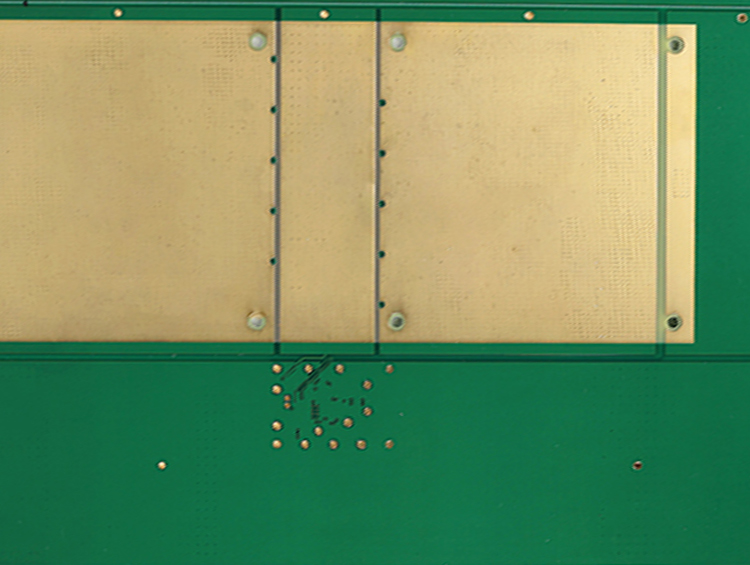
On earth of PCB manufacturing, the excellent quality and high quality of your board’s story– the identifying message, part tags, polarity markings, and producer logos– have a direct impact on assembly, testing, usage, and product dependability. PCB legend printing is not a worthless second thought in the manufacturing process; it’s important for connecting info throughout PCB establishing, repairing, and long-lasting maintenance.
Today, electronic devices manufacturers can choose in between display printing for PCBs, the relied upon traditional requirement, and inkjet PCB printing, a high-resolution and versatile electronic strategy. As demand for fine-featured, high-density PCBs boosts and style cycles reduce, comprehending the staminas and compromises of each innovation is more vital than in the past.
Standard pcb display printing remains the workhorse for mass PCB production, vehicle electronic devices, power boards, and products that compete years with the similar tale artwork. It sticks out at sturdy, durable, and economical legend deposition for large manufacturing volumes– particulary when board formats are consistent and adjustment rarely. However, screen printing is a lot less nimble for quick prototyping and offers lower story resolution, calling for physical stencils, much longer lead times, and configuration rates that do not scale well for tiny sets or routine design adjustments.
Inkjet legend printing, or direct story printing, is transforming personalized and low-to-medium quantity PCB manufacture. By leveraging digitally taken care of, high-precision nozzles, inkjet printing permits fast, high-resolution, and versatile art work deposition straight from your style files– without the need for physical patterns or prolonged transitions. This method allows affordable PCB prototyping, considerably specified wonderful message, and variable information printing, all of which are important for today’s mostly packed and frequently modified circuit card. While per-unit inkjet rates continue to be higher for automation, its dexterity and plan effectiveness are game-changing for design recognition and manufacturing mastery.
What Is PCB Tale Printing and Why Does It Issue?
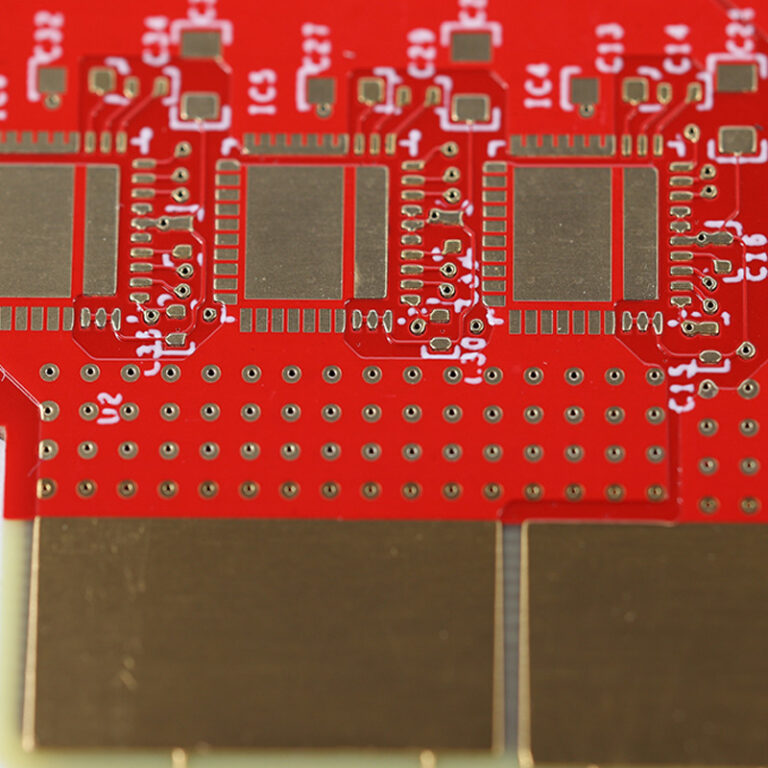
PCB story printing describes the procedure of including message, component referral designators, icons, and useful summaries straight onto the board’s surface. These markings– usually called the silkscreen layer– are very important in PCB production because they provide a roadmap for assembly, analysis, and remedy.
Why PCB tale printing is necessary:
Component Recognition: Marks every resistor, capacitor, diode, and IC with recommendation numbers (like R1, C5, D3, U2).
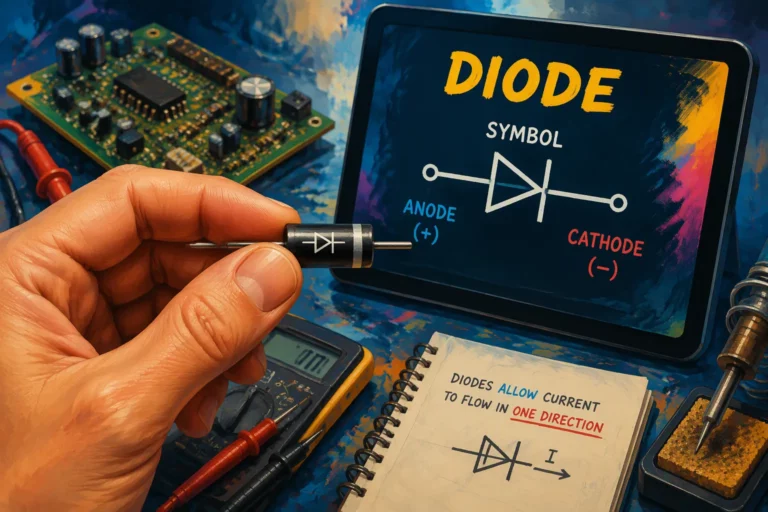
Polarity & Positioning: Indicates pin 1, cathode/anode, or proper positioning for polarized elements (e.g., diodes, electrolytics, ICs).
Examination Info & Labels: Topics nodes for really easy debugging, troubleshooting, and maintenance.
Setting Up Assistance: Guides hand and automated setting up vehicle drivers– specifically essential for thick boards.
Regulatory & Manufacturer Codes: Marks adjustments, identification numbers, or unique logo designs per standards.
Poor legend quality leads directly to assembly errors, slumps, pricey rework, and resilient location remedy disappointments. The ideal PCB story printing strategy influences not simply first-pass return, nonetheless in addition lifecycle costs and comfort of troubleshooting.
Recognizing both Key PCB Legend Printing Approaches.
PCB manufacturers largely utilize 2 contending story deposition approaches, each with distinctive abilities, setup, and expense accounts:.
Display Printing– Recap and Refine.
Show printing for PCBs is the typical technique. It utilizes a fantastic mesh screen stencil and a squeegee to push specialized, long lasting epoxy-based ink with image-defining “openings” in the mesh. The board seeks that dealt with at raised temperatures to solidify the ink.
Arrangement: Requirements a tailor-made stencil (screen) for every single special design.
Release procedure: All boards in a batch use the similar tale, deposited in one or more passes for favored thickness and opacity.
Functions: Thick, durable ink layer; solid add-on and chemical resistance; well-proven, mature process.
Inkjet Printing– Overview and Fine-tune.
Inkjet PCB printing (additionally called straight tale printing or DLP) takes advantage of electronically regulated printers with several high-precision nozzles to down payment beads of ink straight onto the PCB surface. The design comes right from your CAD data– no patterns needed. Inks are UV-cured instantaneously after deposition.
Setup: No pattern; digital art work allows virtually immediate transitions.
Publish treatment: Boards can hvae customized or variable legends– even QR codes or identification numbers.
Attributes: Makes it feasible for high-resolution, great message; quickly versions; maintains variable info.
Screen Printing vs. Inkjet Printing in PCB Production.
Let’s break down display printing and inkjet printing making use of clear technological and organization metrics:.
Fine-tune and Secret Differences.
| Feature | Screen Printing | Inkjet PCB Printing |
| Setup | Physical mesh display screen required | Digital; art work sent directly to printer |
| Changeover | Slow, brand-new display for each and every and every design | Fast, digital data swap |
| Printing | Squeegee presses ink with mesh | Nozzles deposit ink in micro-droplets |
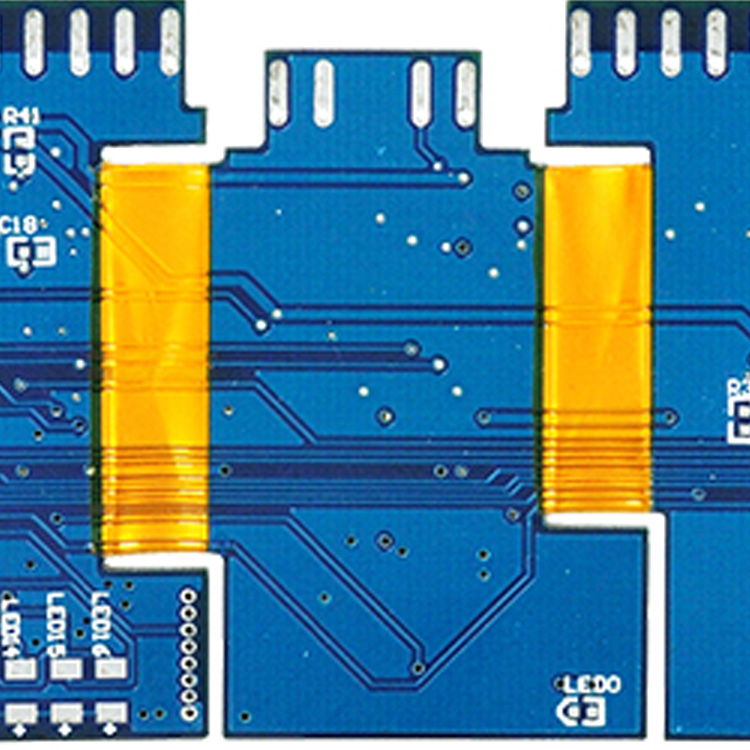
| Substrate | Robust for the majority of stringent PCBs | Adaptable to several surfaces, including flex |
| Minimum Font | 1.0-1.2 mm reliably | 0.6– 0.8 mm and often smaller |
| Curing | Thermal oven | UV light (ultra-fast) |
Resolution and Feature Sizes.
Display printing: Appropriate for typical message and tags, however take care of functions listed below 1 mm or tight pitch.
Inkjet printing: Continuously prints 0.6– 0.8 mm font style styles and sharp lines, excellent for dense boards.
Precision and Repeatability.
Display printing: Repeatable for automation yet vulnerable to evaluate wear, ink blood loss, and imbalance.
Inkjet printing: High positional precision– software-driven, no hands-on positioning required.
Rate and Setup Time.
Display printing: Quick cycle per board, however slow-moving setup and shift.
Inkjet printing: Quick arrangement and model, however slower per-board throughput for larg runs.
Quantity Capability & Manufacturing Scalability.
Show printing: Excels at 1,000+ systems; reduced gadget cost at range.
Inkjet printing: Finest for 1– 500 boards, R&D, or facility, frequently altering layouts.
Ink and Substratum Compatibility.
Show printing: Thick epoxy inks for durability; suitable for boards seeing chemicals, abrasion, or warmth.
Inkjet printing: UV-curable inks; enhancing in long life, however still catching up for some commercial uses.
Devices & Procedure Costs.
| Cost Metric | Screen Printing | Inkjet Printing |
| Stencil/Setup | $ 50–$ 200 per change | None |
| Per-unit ink cost | Very decreased at volume | Higher for little runs |
| Device financial investment | $ 10k–$ 50k | $ 20k–$ 250k |
Direct Tale Printing vs. Display Printing: A Head-to-Head Contrast.
| Metric | Screen Printing | Inkjet (Direct Legend) | Winner / Notes |
| Resolution | 1.0– 1.2 mm min. message, lower DPI | 0.6– 0.8 mm min. message, 1200+ DPI | Inkjet (wonderful message, HDI) |
| Small-Run Cost | High (because of stencil/setup) | Modest (no setup, just make use of required ink) | Inkjet |
| Mass Cost | Low (over 1,000 units) | Greater (ink+ time add up) | Present printing |
| Turnaround | Slow for each and every brand-new design | Immediate for information update | Inkjet |
| Durability | Superior: chemical, abrasion, heat | Good, yet can be a lot less for extreme use | Screen printing |
| Design Flex | Rigid; modification = brand-new screen | Infinite; each board unique | Inkjet |
| Environmental | More product waste (cleansing, screens) | Reduced waste, no stencils/solvents | Inkjet |
Benefits And Disadvantages Summary.
Inkjet Printing for PCB Legends: Advantages & Disadvantages.
Advantages:.
High-resolution PCB story printing (sub-1 mm fonts, crisp lines).
Versatile for quick design adjustments and custom/variable info.
No physical patterns– no configuration fees.
Perfect for models, little runs, and HDI/fine-pitch boards.
Lowered ink waste and chemical handling.
Disadvantages:.
A little reduced abrasion/chemical resistance (yet enhancing every year).
Greater per-board price for automation.
Some compatibility worry about specialty inks or thick rigid substratums.
Screen Printing for PCB Legends: Advantages & Disadvantages.
Benefits:.
Unbelievably durable (epoxy ink); lasting dependability in commercial and auto arrangements.
Ultra-low per-unit rate for high-volume manufaturing.
Constant outcomes on massive collections.
Excellent resistance to chemical, thermal, and mechanical wear.
Negative facets:.
Calls for pricey, time-consuming stencils for each single style change.
Reduced resolution (1.0– 1.2 mm text minimum, much less sharp edges).
Slow, rigorous changeover; not suitable for designs or high-mix production.
More ink and item waste per order.
Which Method Should You Select?
The ideal PCB project story printing technique hinges on your production needs, technical specifications, and future versatility.
Prototyping & Small Runs.
Inkjet PCB printing is frequently excellent.
Rapid, setup-free, and affordable for 1– 500 systems.
Sustains consistent format modifications.
Automation.
Display printing for HDI PCB dominates when amount goes beyond numerous thousand systems.
Lowest per-unit rate, resilient for rough settings.
Suitable for safe and secure, lasting items and high-volume customer or automotive orders.
Center Layouts (Great Text).
Inkjet printing is liked for high-density adjoin (HDI) and ultra-fine silkscreen requirements, such as 0.6– 0.8 mm message.
Severe Settings.
Take into consideration screen-printed epoxy inks for vehicle, commercial controll, power, and setups with solvents, abrasion, or warmth.
Expense Factors to consider.
| Scenario | Suggested Method | Key Rationale |
| 1– 50 prototypes | Inkjet printing | No stencil/setup expense, instant electronic changeover |
| 50– 500 custom/small batch | Inkjet printing | Fast iteration, variable data possible |
| 500– 1,000 limited production | Consider both | Balance per-unit rate vs. plan fees |
| > 1,000 (automation) | Display printing | Low per-board cost, sturdy and reputable. |
| High-durability environment | Screen printing | Superior accessory and resistance |
| Continuous design changes | Inkjet printing | No prep work prices, energetic for R&D. |
| HDI, excellent message, or thick PCB | Inkjet printing | Best for 0.6– 0.8 mm tales, excellent detail |
Decision.
The discussion of display printing vs pcb inkjet printing: for PCB tale noting isn’t virtually development– it has to do with maximizing your entire PCB manufacturing treatment. For heritage, cost-focused, or business applications, present printing remains unsurpassable for its ruggedness and economic situations of scale. For active, functional production where rate, alteration, and style devolopement matter, inkjet PCB printing is a game-changer, encouraging you to check out originalities, option errors, and move with self-confidence from model to item with really little rubbing.
As technology innovations, benefits of display printing, crossbreed techniques are rising: inkjet for first acknowledgment and fast alteration, display printing for later-stage ramp-up and maintaining stability. Choose the very best process based upon your existing demands– and always talk to your PCB manufacturer to make certain the tale printing technique matches setting up needs, component density, and the anticipated work environment.
FREQUENTLY ASKED QUESTION.
Is inkjet printing changing display printing for PCBs?
Inkjet PCB printing is considerably made use of for prototypes, brief runs, and HDI/fine-feature boards where versatility and fast changeover are very essential. However, present printing is still the workhorse for automation due to its toughness and lower expenditure each at array. The majority of manufacturers launch both, according to the manufacturing stage and demands.
Which printing approach is a lot more inexpensive for PCB production?
For small quantities or quick prototyping, inkjet printing is a lot more budget-friendly. For high quantities (> 1,000 gadgets), the arrengement price of display printing is necessitated, and you get the most cost effective expenditure per board.
Can inkjet printing achieve the same precision as display printing?
Inkjet PCB tale printing typically uses better resolution and smaller sized minimum message than screen printing. Inkjet can continually achieve crisp, legible text down to 0.6– 0.8 mm, while display printing is restricted to worrying 1.0– 1.2 mm minimum.
Which technique is much better for HDI and fine-pitch PCB designs?
Inkjet printing is claerly exceptional for densely populated PCBs, fine-pitch establishing, or where you require small, details stories.
What resistances or limitations should I expect?
Display printing: Requirements 1.0+ mm message hieght, not fantastic for incredibly minimal formats, and is strict to establish modifications.
Inkjet printing: Deals superior text top quality and layout adaptability, yet does not match the long-lasting abrasion/chemical sturdiness of thick epoxy screen-printed ink in severe setups.
Can solder paste be inkjet released?
While experimental and certain niche services exist, solder paste is usually used utilizing precision patterns, not inkjet strategies, as a result of the special rheology and piece needs.