 English
 Arabic
 Chinese (Simplified)
 Dutch
Dutch French
 German
 Italian
 Portuguese
 Russian
 Spanish
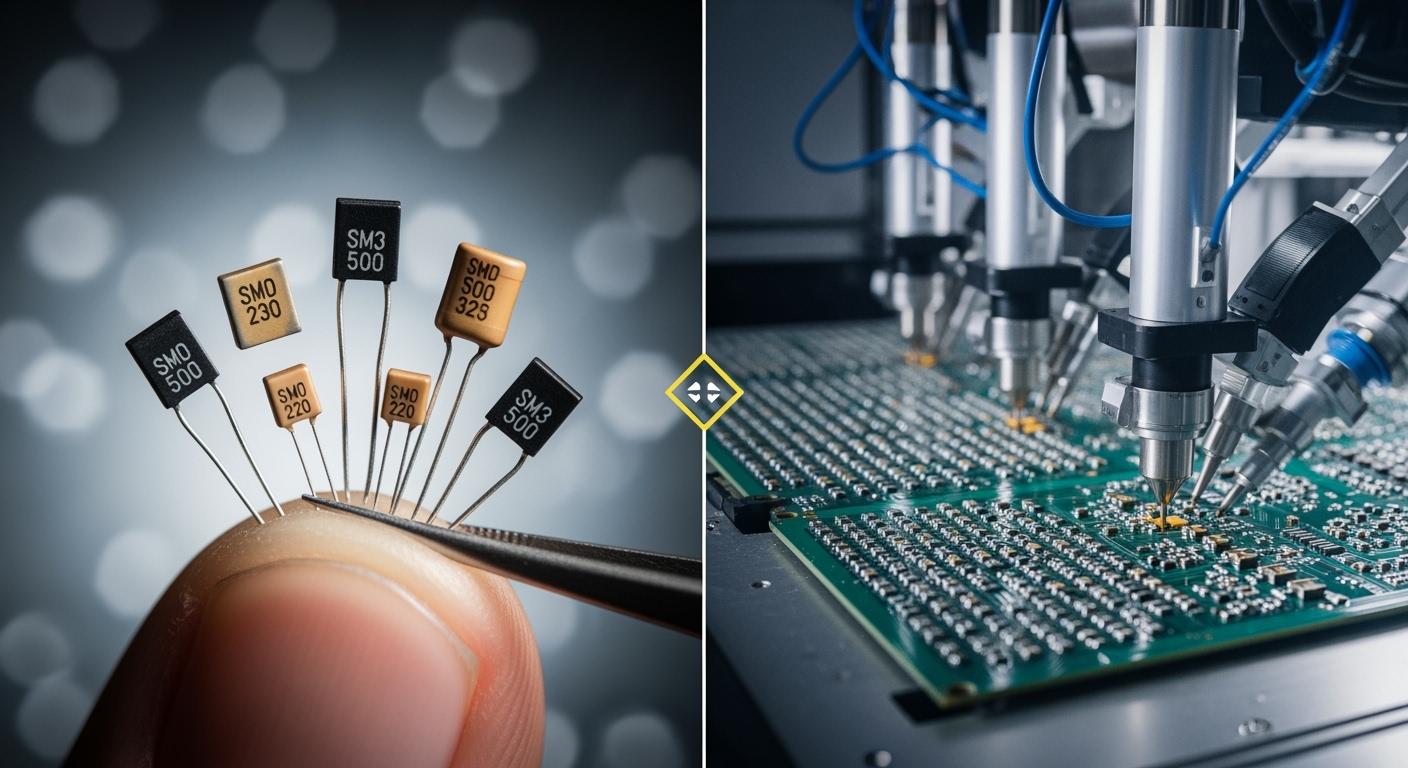
You see SMD as a surface mount device. It is an electronic part that sits right on a circuit board. SMT means surface mount technology. It is the way you put these parts on a board. The main difference is SMD is the part, but SMT is the process. Knowing this helps you make better choices in PCB SMT design and assembly. More people want surface mount fuses in cars now. This market is growing fast and is worth billions of dollars. So, it is more important than ever to know these terms.
Key Takeaways
- SMD means Surface Mount Device. It is the real electronic part on a circuit board.
- SMT stands for Surface Mount Technology. It is the way to put SMDs on the board fast and right.
- SMDs help make devices smaller and lighter. SMT makes building faster and lowers mistakes.
- Knowing how SMD and SMT are different stops mix-ups in design and making things.
- SMD and SMT let more parts fit on boards. This makes electronics work better and be smaller.
What Is a Surface Mount Device?
SMD Definition
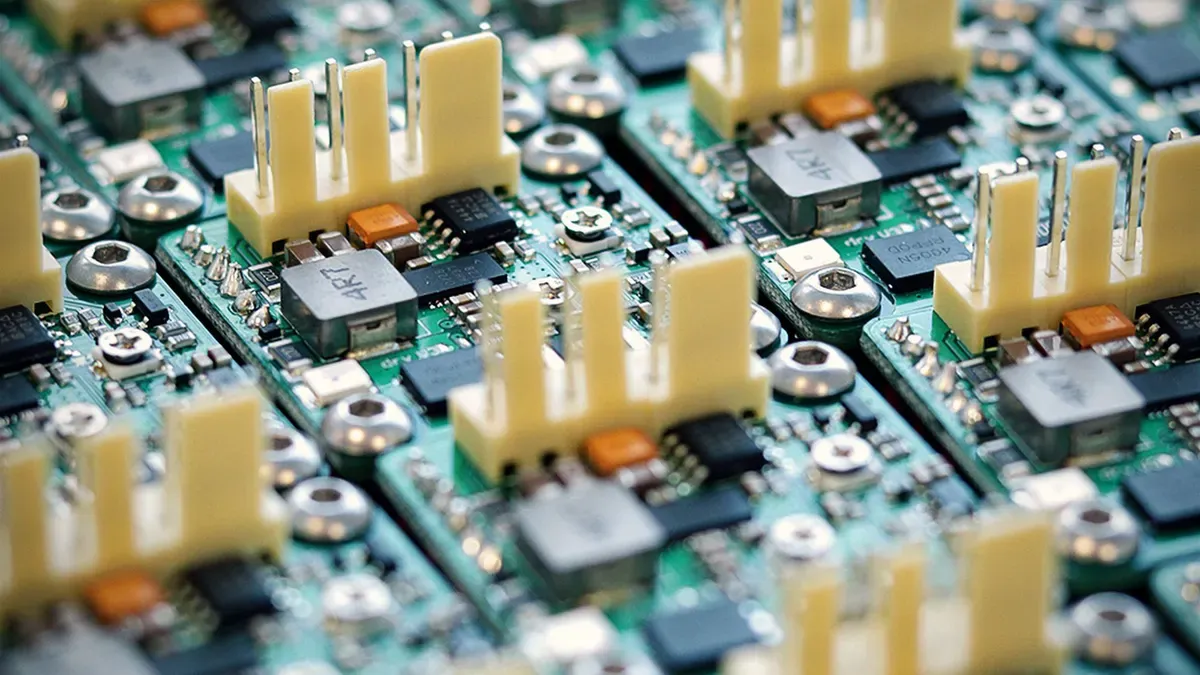
A surface mount device is a tiny electronic part. You put it right on top of a printed circuit board. You do not need wires or long metal legs to connect it. This makes building things faster and more dependable. When you use pcb smt, you use these parts to make new electronics. SMD technology lets you fit more pieces in a small space. This helps make gadgets lighter and smaller.
SMD Role in Electronics
Surface mount devices are everywhere in electronics today. They help you make smaller and smarter products. SMD parts can be passive, like resistors and capacitors. They can also be active, like integrated circuits and transistors. Passive parts control voltage and current. Active parts do things like boost signals or turn power on and off. By using smd technology, you can design hard circuits that fit in tiny places, like phones or watches.
Tip: If you pick surface mount devices, your products get stronger and easier to build.
Here is how surface mount devices help make things smaller:
| Feature | Benefit for Electronics |
|---|---|
| Small Size | Fits more parts on each board |
| Lightweight | Makes the device weigh less |
| Flexible Layout | Lets you design creative circuits |
SMD Examples
You see many kinds of surface mount devices in new electronics. Some common ones are:
- SMD resistors: Control voltage and stop too much current.
- SMD capacitors: Block noise and keep voltage steady.
- SMD magnetics: Stop interference and keep signals safe.
- SMD transformers: Change signals and keep things separate.
- SMD LEDs: Show status or light up screens.
These parts help your devices work better and last longer. When you use surface mount devices, you can make cool products that meet today’s needs.
What Is Surface Mount Technology?
SMT Definition
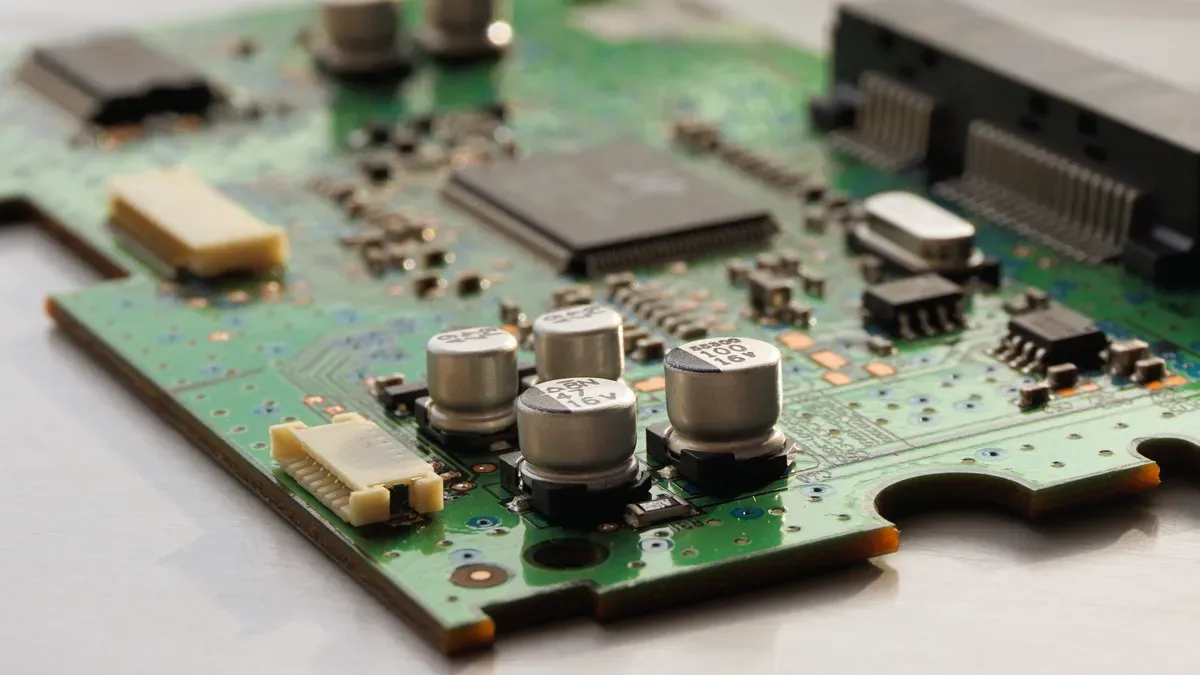
Surface mount technology is a way to put electronic parts right on a printed circuit board. This method helps you make smaller and faster devices. It also makes them more reliable. You do not need to drill holes for each part. This saves both time and space. Surface mount technology lets machines build most of the board. This makes the work go faster and helps keep costs down.
SMT Process Steps
There are a few main steps when you use surface mount technology to build a board:
- Solder Paste Printing – You spread solder paste on the board pads with a stencil.
- Pick-and-Place – Machines pick up surface mount devices and set them on the pasted pads.
- Reflow Soldering – The board goes into a reflow oven. The oven melts the paste and joins the parts.
- Inspection – You check the board for mistakes or problems. Tools like automated optical inspection or X-ray help you find defects.
Tip: If you control each step well, your boards will work better and have fewer problems.
SMT in PCB Assembly
Surface mount technology is used in almost every new pcb smt project. Companies such as KING FIELD use advanced SMT assembly services for great results. Their machines can place thousands of parts every hour. This is much faster than old ways. Machines put parts in the right spot with high accuracy. Each board gets checked carefully with visual and functional tests. This focus on speed, accuracy, and quality means your products work better and last longer.
| Technology | Assembly Speed | Automation Level |
|---|---|---|
| Surface Mount (SMT) | Thousands to tens of thousands/hour | Almost entirely automated |
| Through-Hole (THT) | Less than 1000 placements/hour | Often manual |
Surface mount technology lets you put more parts on both sides of the board. You can make harder circuits in a smaller space. This way of building has changed electronics and made today’s devices possible.
SMD vs. SMT Differences
Difference Between SMD and SMT
Some people think surface mount device and surface mount technology mean the same thing. They do not mean the same thing. SMD is the real part, like a resistor or chip, that goes on the board. SMT is the way you put these parts onto the board. You need to know the difference so you do not make mistakes when you design or build electronics.
When you use pcb smt, you use surface mount technology to put many surface mount devices on a board. This helps you make products that are smaller and lighter. You can fit more parts into a small space. This is called higher component density. It lets you build cool things like smartphones and smartwatches.
Note: SMD is the part. SMT is the process. If you mix them up, your project can get confusing.
Comparison Table
The table below shows the main differences. It helps you see smt vs smd quickly.
| Aspect | SMD (Surface Mount Device) | SMT (Surface Mount Technology) |
|---|---|---|
| Definition | Small electronic parts made for circuit boards | Method used to put SMDs onto boards |
| Function | Lets devices work | Makes assembly faster with machines |
| Cost | Usually cheaper because they are small | Costs more at first, but saves money when making many |
| Performance | Strong and helps stop signal problems | Makes placing parts more accurate and reliable |
| Assembly Process | Can be done by hand or with some machines | Mostly done by machines, so fewer mistakes |
| Role | The pieces that make up the circuit | The way to put the pieces in place |
| Higher Component Density | Yes | Yes |
You can also look at their roles in electronics:
| Term | Definition |
|---|---|
| SMD | The real electronic parts that go on a PCB. |
| SMT | The way you put these parts on a PCB. |
Main Distinctions
You need to know the main differences between SMD and SMT to do well in electronics. Here are the key points:
- SMD is the part you put on the board. SMT is how you put it there.
- SMDs are small and help you fit more parts on the board. SMT lets you place many SMDs quickly and accurately.
- SMDs help your device work. SMT helps you build the device faster and with fewer mistakes.
- Using SMT gives you higher component density. This means you can make smaller and stronger products.
- Knowing the difference helps your team. If you use the wrong word, you might order the wrong thing or confuse others.
- Higher component density saves space and money, but fixing small parts can be harder.
Tip: Always use the right word in your designs and instructions. This helps everyone know what you mean and stops mistakes.
When you know smt vs smd, you can make better products, talk clearly, and avoid errors. You can also use higher component density to make modern electronics.
Why the Difference Matters
For Engineers and Designers
It is important to know SMD and SMT are not the same. If you mix up these words, your team can get confused. This confusion can make mistakes happen in your project. For example, you might wait longer for price quotes. You could also have problems with your bill of materials. These problems waste time and make your job harder.
- Using the wrong words causes confusion.
- Price quotes can be delayed.
- Bills of materials may not match.
- Engineers and designers lose time.
When you use the right words, your team works faster. You also stop costly mistakes from happening. Knowing the difference helps you design better products. It also helps you talk clearly with others.
For Manufacturers
You want your factory to work well. If you use SMD and SMT the right way, you make things run smoother. Machines use surface mount technology to put parts on boards fast and right. This makes your line work faster and saves money on workers. You also get better results when you place each part.
Here are some good ways to use SMD and SMT in new electronics:
| Benefit | Description |
|---|---|
| Increased Assembly Speed | SMT machines put parts on boards much faster than people can. |
| Enhanced Reliability | Fewer mistakes happen because machines are more accurate. |
| Compact Product Design | SMT parts are small, so you can make tiny and light gadgets. |
| Cost Efficiency | Using machines and speed means you pay less for workers and can make more products. |
If you follow these tips, you can make more products and keep up with what people want.
For Hobbyists
SMD and SMT can be tricky when you start building circuits. SMD parts are very small, so they are hard to see and pick up. You need special tools like tweezers or a magnifying glass. The tiny letters on SMD parts are hard to read. You also need to plan your board in a new way, not like with bigger parts.
- SMD parts are tiny, so they are hard to see.
- You need special tools to move them.
- It is harder to put and connect parts, especially on one-sided boards.
- Soldering and taking off parts can hurt the board if you are not careful.
If you learn the difference between SMD and SMT, you can pick the right parts and tools. This helps you make fewer mistakes and have more fun. You can also try pcb smt projects to make cool, small devices.
SMD and SMT Misconceptions
Terminology Confusion
You often see people mix up SMD and SMT. Many think these words mean the same thing. This confusion happens because both terms sound similar and relate to circuit boards. SMD stands for surface mount device. SMT stands for surface mount technology. You use SMD to talk about the actual part, like a resistor or chip. You use SMT to talk about the process or method. If you use the wrong term, you can cause mistakes in your project or order.
Note: Always check if you mean the part (SMD) or the process (SMT) before you speak or write.
Common Misuse
You might see these terms used incorrectly in guides, forums, or even product descriptions. Some people say “SMT resistor” when they mean “SMD resistor.” Others call the assembly process “SMD assembly,” but the correct term is “SMT assembly.” This misuse can confuse your team or suppliers. You may order the wrong parts or use the wrong tools. When you work on pcb smt projects, you need to use the right words so everyone understands.
Here are some examples of common misuse:
- Saying “SMD technology” instead of “SMT technology”
- Calling a part “SMT capacitor” instead of “SMD capacitor”
- Using “SMD assembly” for the process, which should be “SMT assembly”
Correct Usage
You can avoid confusion by using the right terms. If you talk about the electronic part, use SMD. If you talk about the method or process, use SMT. This helps your team work faster and makes your instructions clear. You can use a simple table to remember the difference:
| Term | What It Means | Example Use |
|---|---|---|
| SMD | The actual component | SMD resistor, SMD LED |
| SMT | The process/method | SMT assembly, SMT line |
Tip: Use SMD for parts and SMT for the process. This keeps your project on track and stops mistakes.
You now understand that SMD is the part, and SMT is how you put it on the board. Using the correct words helps everyone know what you mean. This stops mix-ups at work. Here is a simple table to help you remember:
| Aspect | SMT (Process) | SMD (Component) |
|---|---|---|
| What it is | The way to put parts on the board | The small parts you use |
| Key feature | Uses machines and is very reliable | Tiny size and works really well |
Keep learning about new things like making parts smaller and using more machines. You can find free online classes and articles to learn more about SMT and SMD assembly.
FAQ
What is the main difference between SMD and SMT?
You use SMD to talk about the actual electronic part. You use SMT to describe the process of placing these parts on a circuit board.
Can you use SMD parts with through-hole technology?
No, you cannot. SMD parts are made for surface mounting. Through-hole technology needs parts with long leads that go through holes in the board.
Why do electronics use SMT instead of older methods?
You get faster assembly, smaller products, and better reliability with SMT. Machines can place many parts quickly and with high accuracy.
Are SMD components harder to solder by hand?
Yes, you may find SMD parts harder to solder by hand. Their small size makes them tricky. You need steady hands and special tools.
Where can you see SMD and SMT in real life?
You see SMD and SMT in smartphones, computers, TVs, and cars. Most modern electronics use these methods for building circuit boards.