
 English
 Arabic
 Chinese (Simplified)
 Dutch
Dutch French
 German
 Italian
 Portuguese
 Russian
 Spanish
Why Does the Cheapest PCB Quote Always End Up Costing the Most?

Choosing a cheap PCB supplier looks like an easy way to save your project money. However, going after the Cheapest PCB Quote usually hides serious production problems. Cheap factories save money by using poor materials, skipping design checks, and ignoring important testing steps. Those early savings vanish quickly when you face hidden costs like extra shipping fees and broken parts. Faulty PCB boards lead to expensive redesigns, extra repairs, project delays, and final product failures. You should value long-term building quality over a low initial price tag. Smart engineering and buying teams protect their overall budget and product quality by choosing trusted, capable suppliers today instead of simply chasing the Cheapest PCB Quote.
Key Takeaways
- Low-cost PCB estimates conceal big expenses, such as added delivery charges, fixing parts, and costly item updates.
- Cheap materials and skipped factory tests create broken circuit boards that stop working during normal use.
- Skipping early engineering checks causes delays on the assembly line and raises total factory waste rates.
- Working with reliable factory partners protects your company budget and guarantees your product will work well for a long time.
Why the Cheapest PCB Quote Costs More
Unit Price vs Total Cost of Ownership
A low upfront estimate can easily distract you from long-term project risks. When you evaluate cheap pcbs during prototyping, basic prices look identical across different factory quotes. Overseas vendors might offer a flex pcb at an attractive starting price, but simple pricing fails to show the entire picture.
| Cost Aspect | Unit Price | Total Cost of Ownership (TCO) |
|---|---|---|
| Definition | Initial fabrication cost per individual PCB board. | All costs over the product’s lifecycle, from sourcing to end-of-life. |
| Primary Focus | “What does the board cost?” | “What does the complete solution cost across the product lifecycle?” |
| Cost Components | Board fabrication materials and labor. | Unit price plus assembly, connectors, cables, warranty, field repairs, and downtime costs. |
You need to measure overall lifetime expenses rather than choosing cheap pcb options. Downstream assembly scrap and testing failures shift extra expenses right back to your company balance sheet. Hidden defects inside cheap pcb prototyping runs elevate your final pcb assembly cost fast.
Opting for cheaper components to reduce upfront costs often introduces significant hidden costs that drastically increase the Total Cost of Ownership. These include frequent failures leading to warranty claims, increased rework labor during assembly, and production delays from unreliable supply chains.
How Low Initial Estimates Mislead Sourcing Teams
Low-ball estimates trick buying teams because early price tags jump during mass manufacturing. Foreign suppliers might quote low upfront prices during prototyping, but your final bill ends up much higher because of extra shipping markups and unbundled setup fees.
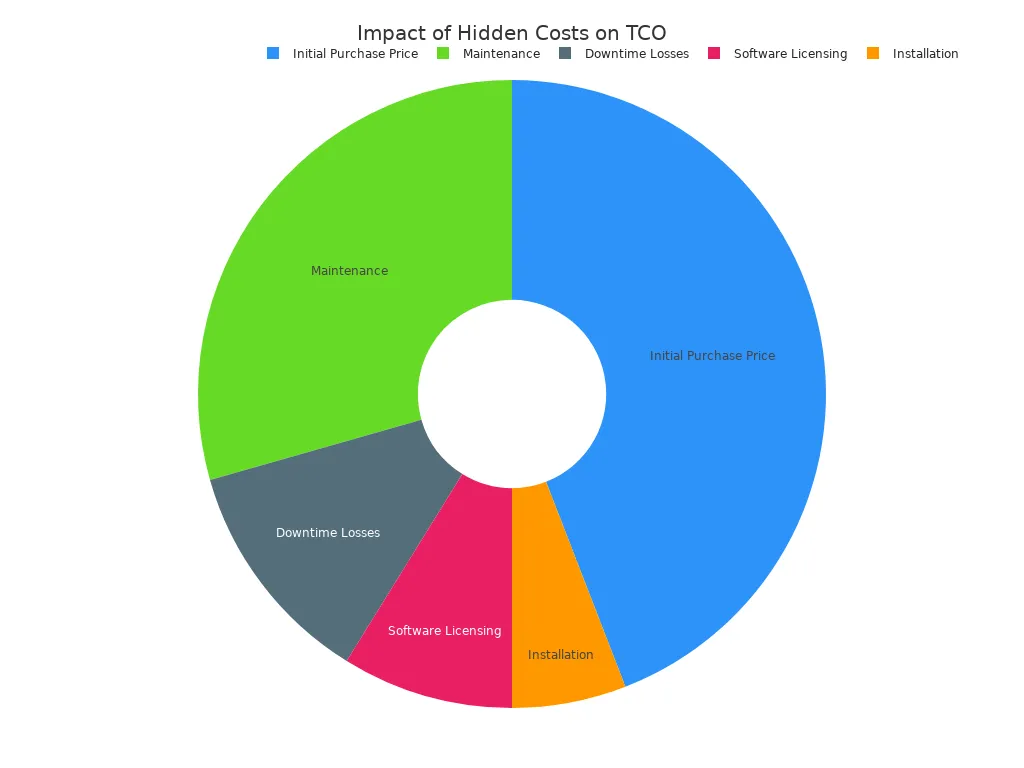
Unusually low estimates rely on hidden charges that drain your budget later:
- Disaggregated Setup Charges: Suppliers list extra fees for stencils and testing separately to make the initial pcb quote appear low.
- Vague Quality Charges: Essential checks like X-Ray tests vanish from early bills, raising your pcb assembly cost through undetected assembly defects.
Choosing the cheapest pcb quote during prototyping creates supply chain risks that inflate your actual cost.
Material Quality and Hidden Costs in PCB Production

Cheap quotes trick buyers into costly manufacturing problems. Discount factories lower their early prices by using low-grade laminate materials, thin copper foil, and cheap solder masks. Your initial prototyping bill might look small, but bad parts create huge performance issues later. Buying cheap materials causes board peeling, poor heat control, and sudden physical breakage during product testing.
| Defect / Substandard Material | Cost-Increasing Consequence |
|---|---|
| Substandard PCB laminate materials | Causes board layer separation, poor heat control, and physical breakage that needs fixing. |
| Insufficient via plating | Causes bad electrical flow and sudden circuit breaks that cost a lot to repair. |
Uneven copper thickness creates fragile areas across your pcb design. Rough copper surfaces distort high-frequency signals, while thin plating creates high-resistance spots. These hot spots cause severe heat damage during heavy use. Also, weak glue bonds make layers peel under thermal stress.
Poor chemical balance in plating tanks creates thin, uneven copper layers on boards. This lack of plating thickness control causes major long-term reliability failures in electronic devices.
Cracks and surface bubbles let damaging moisture reach internal layers. This moisture exposure causes heavy corrosion that destroys product reliability over time.
Substandard Laminates and Plating Defects
Unstable factory methods damage your board’s electrical performance. Cheap suppliers rush chemical plating baths to speed up overall board output. As a result, you get weak copper traces that snap under normal working stress. You will face high warranty costs and long repair delays when cheap pcbs fail in everyday use.
Skipped Testing and Manufacturing Shortcuts
Smart buyers look past cheap initial prices. You need to identify real production expenses during early project planning. Layer counts, complex board shapes, custom silkscreens, and slow through-hole assembly steps raise final prices. Cheap factories lower these expenses by skipping key quality checks and rushing through-hole work.
Discount factories cut costs by skipping critical quality steps during production:
- Rushing solder mask application, which leaves bare spots and causes solder bridges.
- Skipping cross-section tests, which hides hidden cracks inside copper holes.
- Bypassing automated optical inspection, which lets harmful short circuits pass quality checks.
These shortcuts ruin long-term reliability and raise your total pcb assembly cost. Skipping cross-section tests stops technicians from finding thin copper walls inside board holes. Hidden micro-cracks pass simple factory checks, but they break under high heat during SMT reflow.
Weak quality control during early prototyping causes huge board losses during mass assembly. You waste expensive microcontrollers and custom chips on broken base boards. Bad circuit boards double your total pcb assembly cost through endless repairs, manual fix work, and trashed parts.
You cannot build a strong product line using low quality standards. Skipping basic tests hides manufacturing defects until you assemble thousands of circuit boards. Small fabrication savings disappear fast when ruined parts and extra labor hit your balance sheet. You need trusted testing to ensure consistent quality across every factory build. Picking a solid manufacturer during your early cheap pcb prototyping phase protects your delivery timeline and ensures high yields. Never pick a cheap pcb vendor when your company reputation requires strong product durability.
When Cheap Is Expensive: Operational Risks
Skipping Design for Manufacturability Analysis
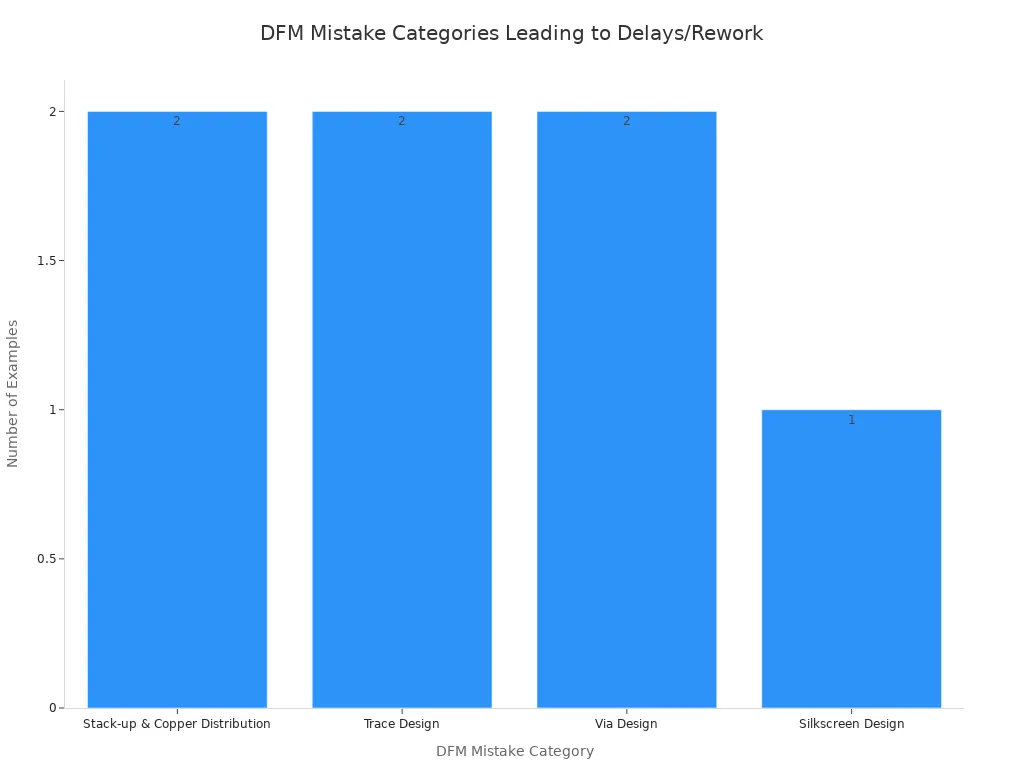
Picking low quotes usually means skipping a deep Design for Manufacturability (DFM) review. Discount factories cut engineering hours to keep initial prices low. You save money upfront, but cheap becomes costly when missed layout errors stall your line. Missing or mixed-up build files force suppliers to pause, adding 2–4 days to your timeline.
Skipping DFM checks… can lead to expensive rework after fabrication begins.
- Fixes and scrapped parts can make up 10% of total pcb assembly cost.
- DFM checks lower these scrap rates and stop costly manual fixes on lines.
- This cuts unit manufacturing costs and operational expenses to boost total profits.
Unfixed layout errors destroy overall product reliability once used in the field. Poor pad spacing creates solder bridges, while uneven copper warps boards during heating steps. These hidden defects force extra manual repairs and raise your overall pcb assembly cost. Fast initial approvals for cheap pcbs show skipped checks rather than good service.
Freight Fees and Import Surcharges
Unusually cheap pcb offers hide big shipping fees that show up late in billing. Foreign plants quote low build rates, but overseas transit costs quickly bloat total spending.
You must check all hidden supply chain costs before buying a cheap pcb:
- Freight and customs fees
- Added taxes and import charges
- Extra storage costs from long overseas transit times
Surprise import fees push your final bill much higher than originally planned. Also, long delivery trips slow down all of your product testing plans. You risk missing key launch dates while parts sit inside border warehouses. In the end, taking the cheapest pcb quote brings high shipping fees that boost overall project costs.
Financial Impact of Delays and Defects
Schedule Delays and Lost Market Windows
Cheap pcb vendors put your production schedule at risk. Budget factories delay deliveries when quality issues force unexpected re-runs. These sudden manufacturing delays cause serious financial pain for your business. An 8–12 week pcb delay costs millions in lost revenue and increases overall program expenses. You lose your market edge while your engineers fix easy supplier mistakes. You miss key sales opportunities when boards arrive late at your facility.
You lose big money when cheap boards miss tight project deadlines. Unreliable suppliers create unexpected delays that push back customer promises. These supply chain pauses cause huge financial losses across your company:
- A direct financial loss of $8M–$10M in delayed revenue.
- Added financial problems from higher working capital requirements.
- Lower total profits from idle factories and delayed customer launches.
Assembly Line Downtime and Field Recalls
Low-quality pcb parts cause sudden pauses during product assembly. Broken circuit lines and bad pads stop your automated line completely. You pay expensive factory workers to wait while technicians look for hidden board errors. You waste valuable engineering time fixing basic board problems on the factory floor. These constant line disruptions raise your total production costs quickly. Unusually low quotes cause manufacturing delays that cost far more than initial savings.
Field failures ruin customer trust and destroy your brand image. Cheap circuit boards pass basic factory tests, but they break under harsh real-world use. You pay huge product recall costs, warranty fees, and emergency hardware replacement charges. These unexpected post-launch costs erase your original budget plans. You protect product quality and your operating budget by choosing proven manufacturing partners over cheap vendors. Smart companies avoid these costly traps by investing in quality manufacturing early.
Chasing the cheapest pcb quote destroys your long-term budget. Initial savings from low-cost pcb quotes quickly disappear under component scrap, shipping surcharges, and unexpected delays. A cheap pcb creates hidden manufacturing risks that raise your total cost over time.
You must change your sourcing strategy today. Stop hunting for low unit prices. Evaluate engineering capabilities, design support, and overall pcb quality instead. High assembly yield protects your schedule and safeguards your company reputation.
Audit vendor high quality standards and calculate total landed expenses before you place new orders. Focus on real technical value to secure your supply chain and reduce your total cost.
FAQ
How does cheap pcb prototyping affect your project timeline?
Low-cost pcb prototyping leads to surprising factory delays and product defects. Your team wastes valuable design hours fixing basic circuit errors. Furthermore, these hidden problems slow down your launch and raise your overall pcb assembly cost later.
Why does a low upfront cost increase long-term expenses?
Small initial prices leave out important testing steps and material inspections. Because of this, you face unexpected scrapped parts and product recalls later. Checking the total landed cost protects your project budget and keeps your device working well.
How do shortcuts during board manufacturing impact long-term reliability?
Rushing chemical steps makes copper layers too thin inside board holes. This weak plating causes sudden connection breaks when parts get hot. Picking vendors with strict IPC testing rules instead of cheap options ensures your design lasts.
What should you review before approving a supplier quote?
You must check vendor technical skills, quality certificates, and complete DFM support. Look past simple item prices during initial prototyping. Always verify shipping fees, setup costs, and testing plans to protect your overall supply chain.