 English
 Arabic
 Chinese (Simplified)
 Dutch
Dutch French
 German
 Italian
 Portuguese
 Russian
 Spanish
You might ask what makes box build assembly different from PCB assembly. Box Build Assembly does more than just attach parts to a board. It also builds the whole product, like adding cases and wires. In electronics, Box Build Assembly is popular because it gives a full answer. Learning how each assembly works helps you make good choices. You can pick the best way for your project if you know how hard, fast, and custom it needs to be.
Key Takeaways
- Box build assembly makes a whole device, but PCB assembly works only on the circuit board. Box build assembly is good for hard projects that need many parts together. PCB assembly is better for simple boards that work alone. Box build assembly lets you pick cases and features, so you can change more things. PCB assembly does not let you change as much. Think about time and money. PCB assembly is quicker and costs less. Box build assembly takes more time and costs more because there are extra steps. Look at what your project needs. Pick the right assembly type so it matches your goals.
PCB Assembly Overview
What Is PCB Assembly
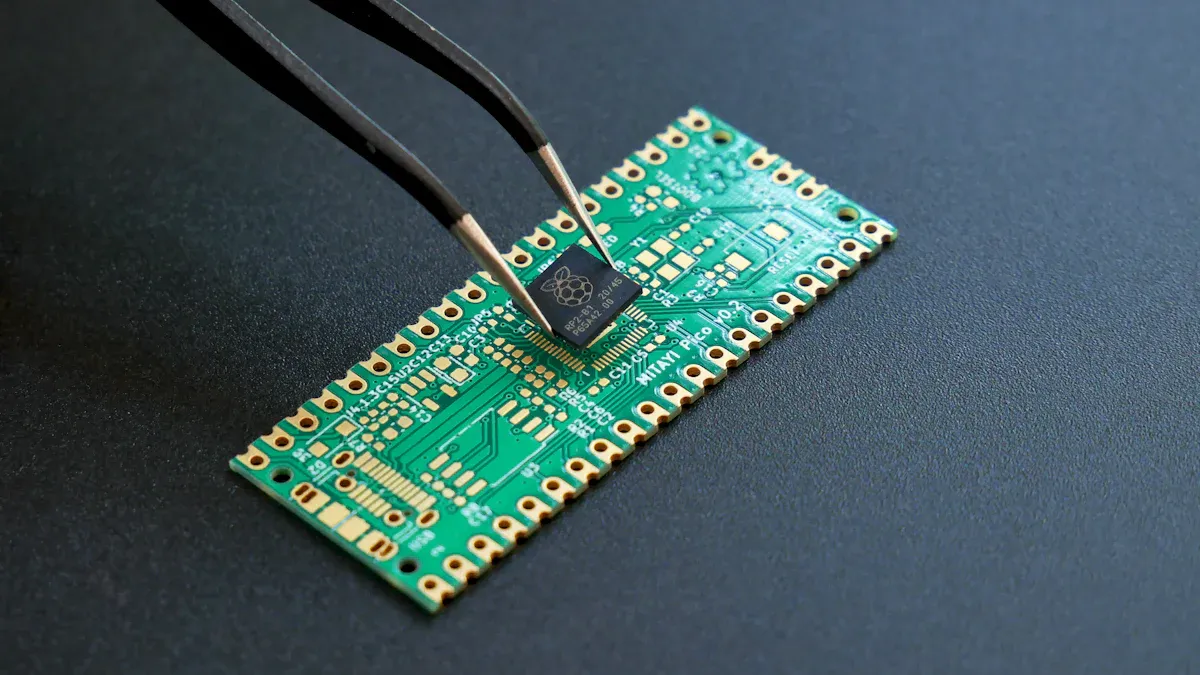
PCB assembly changes a plain board into a working part. It connects parts so electricity and signals can move. Printed circuit board assembly means putting all parts together to make the board work. Devices like phones and computers need pcb assembly to run.
PCB Assembly Process
PCB assembly has many steps. Each step helps the board work well and last longer. Here is a simple list of the process:
- Design and Prototyping: You use software to design the board. You make a prototype to test your ideas.
- Material Selection and Preparation: You choose materials and get them ready for building.
- PCB Fabrication: You make paths for electricity by adding copper and removing extra material.
- Component Mounting: You put parts on the board with machines or by hand.
- Soldering and Inspection: You attach parts with solder and check for problems.
- Final Assembly and Testing: You put the board in the device and test if it works.
Tip: Machines and careful checks help you avoid mistakes like putting parts in the wrong place or making weak connections.
Components in PCB Assembly
There are two main types of parts in pcb assembly. Each type helps the board work in its own way. Here is a quick look:
| Component Type | Description |
|---|---|
| Active Components | Transistors and integrated circuits control how electricity moves. |
| Passive Components | Resistors and capacitors help without needing power. |
You may have problems in pcb assembly, like putting parts in the wrong spot or having soldering issues. You can fix these by using smart machines, checking your work with cameras, and designing the board for easy building. Good supply management helps you get the right parts on time.
Box Build Assembly Explained
What Is Box Build Assembly
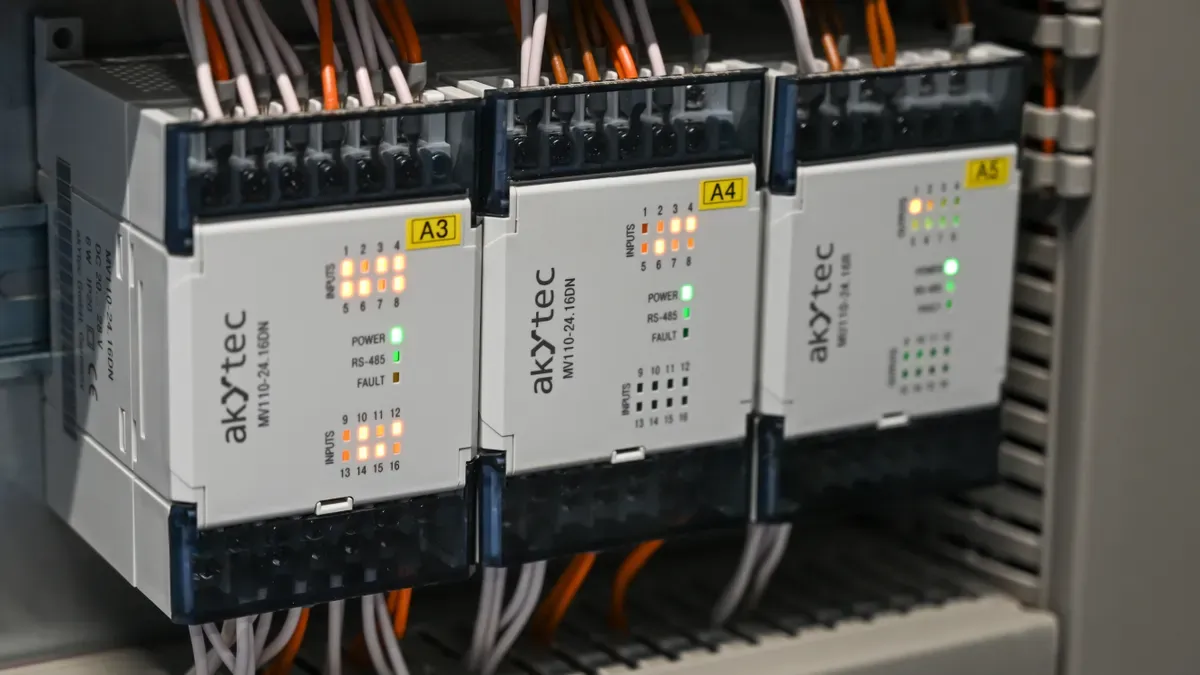
Box build assembly takes your PCB and makes it a finished device. You start with a circuit board, and end up with something you can use. This process adds system integration, enclosures, wiring, and puts everything together. You get more than just a board. All parts are placed inside a case so they work as one. Box build assembly handles cables, connectors, and mechanical parts for you. Putting these parts together helps the device last longer and work better.
Note: Custom box build assembly lets you make products your way. You can pick special cases, different wires, and extra features for your project.
Box Build Assembly Process
You follow steps to build a device with box build assembly. Each step helps make sure the product works right.
- Get all materials and check them with the Bill of Materials.
- Put the PCB inside the case using brackets or standoffs.
- Add cable harnesses and connectors for power and communication.
- Put together mechanical parts and add strong pieces.
- Load firmware and set up the system.
- Test the device to see if it works and is safe.
- Check and pack the product so it is ready to ship.
Custom box build assembly lets you change things at each step. You can add displays, switches, or sensors to fit what you need. The process turns your PCB into a device you can use.
Components in Box Build Assembly
Box build assembly uses many parts that are not in PCB assembly. Here is a quick list:
- Enclosures, chassis, and hardware like brackets and mounting plates.
- Cable assemblies and wire harnesses for neat connections.
- Power supplies, fans, and heat sinks for safe use.
- User interface parts like displays, buttons, and ports.
- Labels, identification, and packaging materials.
Custom box build assembly lets you pick each part for your project. You get a device that is ready to use, with all parts working together inside a strong case.
Key Differences
Scope and Integration
You need to know how the scope and integration of box build assembly and pcb assembly differ. The table below shows the main points:
| Aspect | Box Build Assembly | PCB Assembly |
|---|---|---|
| Scope | You assemble an entire electronic system inside a case. This includes PCBs and other parts. | You focus only on building the printed circuit board by attaching electronic parts. |
| Integration | You make sure all parts work together, including wires and mechanical pieces. | You connect electronic parts on the board. You do not think about the whole system. |
| Complexity | You use this for bigger, more complex devices with many parts. | You use this for smaller, simple devices where only the board matters. |
| Cost and Time | You spend more time and money because you add more steps. | You finish faster and save money, especially when you make many boards at once. |
Tip: If you want a complete product that is ready to use, you need box build assembly. If you only need the board, pcb assembly is enough.
Complexity and Customization
You get more choices with box build assembly. You can pick the case, add displays, or change the wiring. You can make simple or very complex products. This helps you build something special for your needs.
Pcb assembly gives you less room to change things. You only work with the board and its parts. You do not add cases or extra features. This makes pcb assembly good for simple jobs.
Note: If you want to make a unique device, box build assembly lets you do more. You can design the outside and the inside.
Packaging and Final Product
You see big differences in packaging and the final product. The table below explains what you need for each type:
| Aspect | Box Build Assembly | PCB Assembly |
|---|---|---|
| Documentation | You need extra drawings and 3D files for the case. | You only need board files. |
| Compliance Testing | You must test for safety and rules like EMC. | You may not need many tests. |
| Mechanical Parts | You use screws, cables, and other hardware. | You focus on board parts only. |
| Assembly Process | You put together the case and check the whole device. | You build and test the board. |
When you finish pcb assembly, you get a board that works but is not ready to use. When you finish box build assembly, you get a full product that is tested, packed, and ready for the customer.
Remember: Box build assembly gives you a finished device. Pcb assembly gives you a working board.
Time, Cost, Efficiency
Speed of PCB Assembly
PCB assembly is fast. Quick turn PCB assembly can finish in one day. Sometimes it takes up to a week. Standard jobs may need one to three weeks. The time depends on how many boards you want. It also depends on how hard the design is. Machines help make the work go faster. You only put parts on the board. This saves time compared to box build assembly. Box build assembly takes longer. You must add cases, cables, and test everything.
Tip: If you need something quickly, PCB assembly gives you a board faster.
Cost Comparison
PCB assembly costs less money. You pay for the board and its parts. Box build assembly costs more. You pay for cases, wires, and extra hardware. Making many units helps both types save money. Automated lines make each unit cheaper. They also keep the quality high. Scrap management saves money too. If you waste less, you spend less on materials. You also help the environment.
| Assembly Type | Typical Cost Factors | Cost Saving Methods |
|---|---|---|
| PCB Assembly | Board, electronic parts, labor | Automation, bulk orders, less scrap |
| Box Build Assembly | PCB, case, cables, hardware, labor | Bulk buying, efficient design, scrap reduction |
Production Efficiency
Smart processes and checks help production work better. Both PCB assembly and box build assembly use tests. These tests make sure products work well. You check solder joints and test circuits. You run tests to see if things work. In box build assembly, you test the whole device. You check for safety and performance. You place connectors and cables carefully. This helps avoid problems. Good airflow keeps devices cool. It stops them from overheating.
- Functional testing checks if parts work right.
- Environmental testing shows how products work in different places.
- Safety and compliance testing makes sure devices follow rules.
- Good connector placement and cable routing help devices last longer.
- Scrap management makes production faster and stops delays.
Note: Quality control at every step helps you find problems early. This helps you deliver good products.
Choosing the Right Assembly
You have to pick the best assembly for your project. Your choice depends on what you want to make. It also depends on how big your project is. You should think about how you will use the finished product. Look at the parts, the steps, and the result to help you decide.
When to Choose PCB Assembly
Pick PCB assembly if you only need a circuit board. This works well for simple things. You can use it for remote controls or small sensors. It is also good for basic gadgets. If your company puts the board in a case, PCB assembly is enough.
- PCB assembly is for smaller and easier devices.
- You work with electronic parts like resistors and chips.
- You save time and money if you just need the board.
- You can finish the product yourself if you have a team.
Tip: PCB assembly is good if you do not need a full system. You get a board that works in your own designs.
When to Choose Box Build Assembly
Pick box build assembly if you need a full device. Box build assembly turns a board into a finished product. You get a device with all parts inside a case.
- Box build assembly is for bigger and harder projects.
- You need all parts to work together for a ready product.
- You make building easier and cut down on extra steps.
- You make sure all parts fit and work well together.
Box build assembly is best for projects with many parts. These can be cables, connectors, or other pieces. You can make more or less of your product as needed. Your teams work together better. You know who is in charge of each step. Your design ideas go right into the final device.
| Aspect | Box Build Assembly Benefits |
|---|---|
| Quality | You get better quality because all steps work together. |
| Efficiency | You work faster by putting all parts together. |
| Scalability | You can make more or less products easily. |
| Reliability | You get a device that works well for a long time. |
| Aspect | Box Build Assembly Advantages |
|---|---|
| Coordination | Your teams work together better on the whole project. |
| Accountability | You know who is in charge of the whole system. |
| Design Intent | Your ideas show up in the finished device. |
Note: Box build assembly gives you a device that is ready to sell. You do not have to worry about missing parts or extra work.
Choose box build assembly if you want your device to work well and be safe. You get a tested and packed product that you can send to customers.
You now understand the main differences between box build assembly and PCB assembly.
- Box build assembly makes a whole device that is ready to use. You can find this in cars and phone systems.
- PCB assembly only puts together the circuit board.
If you want to pick the right assembly, do these things:
- Think about what your project needs.
- Ask if you need just a board or a whole device.
- Make sure your choice fits your time and money plan.
| Aspect | Box Build Assembly | PCB Assembly |
|---|---|---|
| Speed | Slower, more steps | Faster, cost-effective |
| Flexibility | High customization | Less flexible |
Pick PCB assembly if you want something fast and cheap. Choose box build assembly if you need a full device and want more choices.
FAQ
What is the main difference between box build assembly and PCB assembly?
You get a complete product with box build assembly. You only get a working circuit board with PCB assembly. Box build assembly includes the case, wires, and final testing.
Can you use PCB assembly for all electronic products?
You can use PCB assembly for many products. If you need only the board, it works well. For finished devices, you need box build assembly.
Why does box build assembly cost more?
You pay more because box build assembly adds cases, cables, and extra steps. You also get more testing and packaging. This makes the final product ready to use.
How do you choose the right assembly for your project?
Ask yourself: Do you need just a board or a full device?
If you want a ready-to-use product, pick box build assembly. For simple boards, choose PCB assembly.