 English
 Arabic
 Chinese (Simplified)
 Dutch
Dutch French
 German
 Italian
 Portuguese
 Russian
 Spanish
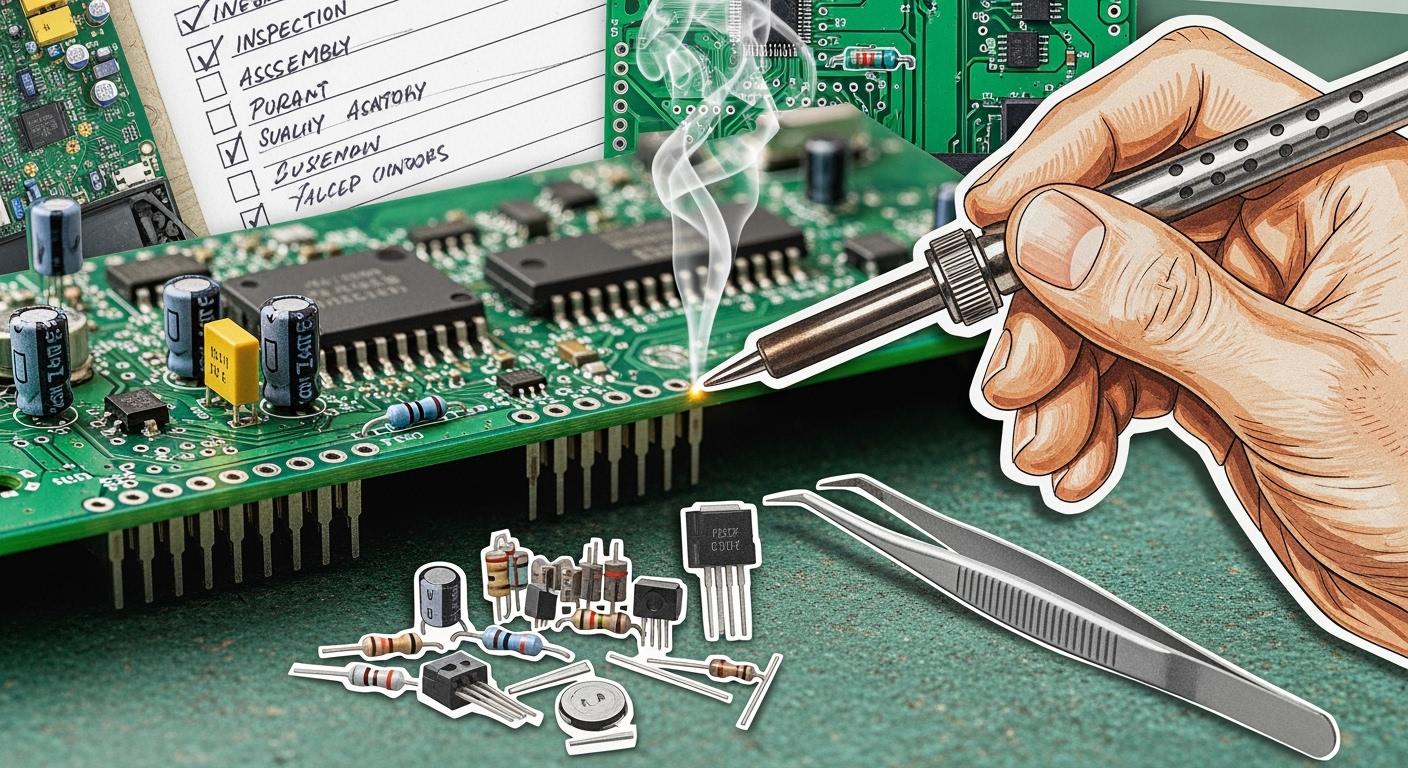
When you think about what changes the cost of through-hole assembly, you find a few key things. Manual soldering and making holes cost more than surface-mount technology. Labor and making the boards cost more, especially if you make a lot of them. For example, surface-mount technology can make assembly up to 50% cheaper than through-hole assembly when making many boards. The table below shows how much different assembly types and places cost. This helps you see how prices work in real projects.
| Assembly Type | Cost Range (per board) |
|---|---|
| Prototyping (under 50 units) | $15 – $40 |
| Small to medium batches (100–1,000 units) | $6 – $15 |
| Large volume production (10,000+ units) | $2 – $6 |
| Small, simple 2-layer board (4×4 inches) | $2 – $5 |
| Larger, complex 8-layer board (10×10 inches) | > $20 |
| General through hole assembly | $2 – $15 |
| Surface Mount Technology (SMT) | $0.50 – $2.00 |
| Regional pricing (Asia) | $2 – $6 |
| Regional pricing (Europe/North America) | $3 – $10 |
Key Takeaways
- Through-hole assembly costs more than surface-mount technology. This is because it needs more manual labor and is more complex. Board size and layer count also change the cost a lot. Bigger and more complex boards cost more money. Using standard components can make assembly cheaper. Special parts often need more time and money. If you order more boards, each one costs less. Buying in bulk can save a lot of money. Making your board design simpler can help control costs. Better testing can also make things more efficient.
Board Complexity and Through-Hole Assembly Cost
PCB Size and Layers
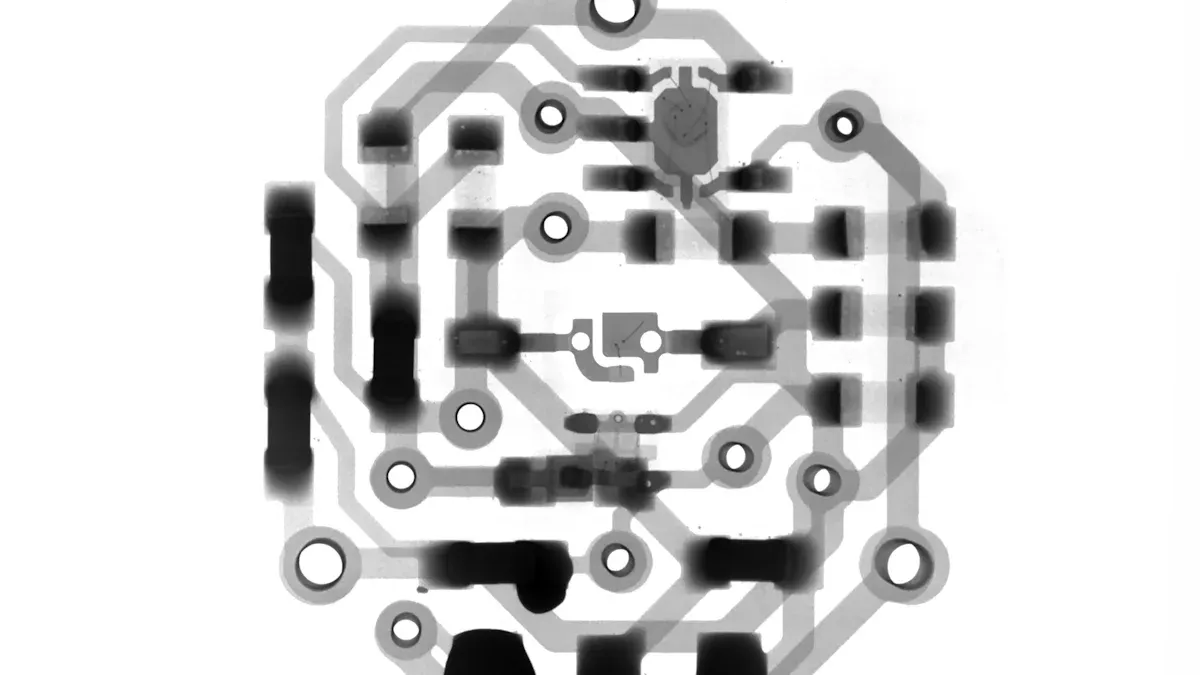
You will notice that the size and number of layers in your pcb have a big effect on through hole pcb assembly cost. When you choose a larger board, you need more materials and more time for assembly. This means the cost goes up. If you use a small, simple 2-layer pcb, you might pay as little as $2 to $5 per board. When you move to a larger, complex 8-layer board, the price can jump to over $20 per board.
The number of layers in your pcb also changes the cost. Each extra layer adds more work and materials. You can see how the cost increases in the table below:
| Layer Count | Cost Impact |
|---|---|
| 2-layer | Baseline cost |
| 4-layer | +30–50% per layer |
| 6-layer | Cumulative 90–150% above 2-layer |
| 8+ layers | Highly nonlinear; custom pricing |
If you want to keep your through hole pcb assembly cost low, you should think about how many layers you really need. More layers mean higher pricing and more complex assembly steps.
Layout Density
Layout density is another important part of printed circuit assembly. When you place many components close together, you make the assembly process harder. Workers need to be careful not to damage parts or make mistakes. This extra care adds to the cost. High-density layouts can push the price toward the top end of the $2–$15 range for through-hole assembly.
If you spread out your components, you make assembly easier and faster. This can help lower your pcb assembly cost. You should always look at the factors that drive pcb assembly cost when you design your board. Simple layouts and fewer layers can help you control pricing and keep your project on budget.
Tip: Review your pcb design before you order. Small changes can make a big difference in through hole pcb assembly cost.
Component Type and Assembly Cost
Standard vs. Specialized Components
You pick parts for your pcb. Standard components cost less to assemble. These parts work well with machines. This saves time and money. Standard parts come in common packages. This helps you avoid extra setup fees. Specialized components cost more to assemble. These parts are harder to find. They may need special handling. Sometimes, you must place them by hand. This makes labor cost go up. If you use a non-standard footprint, you may need a special nozzle. This adds more setup time and cost. You can keep costs low by picking standard components.
Note: Standard components make printed circuit assembly easy and cheap. Specialized parts can quickly make your component and assembly costs go up.
Lead Count and Mounting Difficulty
Through-hole parts with many leads are harder to assemble. You see this with power transistors, big capacitors, transformers, terminal blocks, and connectors with lots of pins. These parts need careful placement. They need extra soldering steps. You pay more for assembly because workers spend more time. High-lead-count parts also need strong support. This is important in tough environments. This adds to your assembly cost and affects your pcb price.
Here are some examples of through-hole parts with many leads that cost more to assemble:
- Power transistors and MOSFETs
- Large electrolytic capacitors
- Transformers and inductors
- Terminal blocks and headers
- High-pin-count connectors
You should check your pcb design and part choices before you order. If you use fewer parts with many leads, you can lower your assembly cost. This helps keep your project on budget. Costs go up fast when you use special or complex through-hole parts.
Labor Intensity in Through-Hole Assembly
Manual vs. Wave Soldering
You will find that through-hole assembly takes more time and effort than surface-mount methods. Manual soldering is common in through hole pcb assembly. Workers must insert each component by hand. They then solder each lead to the pcb. This process takes skill and patience. Wave soldering can help with larger batches. In this method, you place the pcb on a conveyor. The board passes over a wave of molten solder. This process is faster than manual soldering, but you still need workers to set up and inspect the boards.
Here is a quick cost breakdown of why through-hole assembly is more labor-intensive and expensive than SMT:
- Manual insertion and soldering increase assembly cost.
- Labour costs can add $1 to $5 per board, depending on the complexity of your pcb and the region.
- The size and shape of through-hole components raise material and assembly costs.
You should know that printed circuit assembly with through-hole parts often needs more steps. This extra work pushes up the assembly cost and affects your overall pcb pricing.
Skill Level and Labor Rates
The skill of the workers also changes your assembly cost. Through hole pcb assembly needs trained workers. They must know how to handle different parts and solder them well. If you use a provider in Asia, you might pay $2 to $6 per board for labor. In Europe or North America, labor costs can reach $3 to $10 per board for small to medium batches. These rates depend on the experience of the workers and the complexity of your pcb.
You should always consider labor costs when you plan your project. Skilled workers help you avoid mistakes and keep your assembly strong. If you want to lower your assembly cost, you can look for providers with efficient teams and good training. This step can help you control your pcb pricing and keep your project on budget.
Tip: Ask your assembly provider about their worker training and quality checks. Good training can reduce errors and lower your assembly cost.
Order Quantity and PCB Assembly Cost
Prototype vs. Production Runs
You see a big difference in pcb assembly cost when you compare prototypes to production runs. If you order a small batch, such as 50 boards, you pay more per board. Setup charges and manual labor increase the cost. For example, you might spend $200 to $300 for 50 boards. This means each pcb costs $4 to $6. When you order prototypes, you pay for special attention and extra testing. You also pay for unique setup steps. These steps make the price higher.
Production runs change the pricing. You order hundreds or thousands of boards. The assembly process becomes faster and more efficient. Machines handle more work. Workers spend less time on each pcb. You see the cost drop as the board quantity goes up. You pay less per board because the setup cost spreads across many units. This helps you save money and keep your project on budget.
Tip: If you plan to scale your project, start with a small batch for testing. Move to larger production runs when you finalize your design. This strategy helps you manage pcb assembly cost and avoid waste.
Volume Discounts
You benefit from volume discounts when you order large quantities of through-hole assembled pcbs. Manufacturers offer lower pricing for big orders. You save on overall cost because mass production makes assembly quick and efficient. You also get reliable quality. Every pcb goes through rigorous testing to meet industry standards.
Here are some ways volume discounts help you:
- You pay less per board as your order size increases.
- Mass production expertise speeds up assembly.
- Quality checks ensure every pcb meets requirements.
The table below shows how pricing changes with board quantity:
| Board Quantity | Cost per Board | Total Cost |
|---|---|---|
| 50 | $4 – $6 | $200 – $300 |
| 500 | $2 – $3 | $1,000 – $1,500 |
| 5,000 | $1.50 – $2 | $7,500 – $10,000 |
You see that ordering more boards lowers the pcb assembly cost. Volume discounts make assembly affordable for large projects. You can plan your budget and get the best value for your money.
Testing, Inspection, and Assembly Cost
Functional Testing
You must test your pcb after it is made. Testing shows if your board works right. You can use easy tests like looking at the board or checking if it works. These tests add about $0.10 to $2.00 for each pcb. If you need harder tests, like Automated Optical Inspection or In-Circuit Testing, the price goes up. These tests help you find problems early. Finding problems early saves money and stops mistakes after selling.
- Visual checks and simple tests: $0.10–$2.00 for each pcb
- Harder tests (AOI, ICT, X-ray): Cost more, find more problems
You should know that more tests make assembly cost higher. But more tests also mean fewer problems later. You keep your brand safe and make customers happy.
Tip: Pick the right tests for your project. More tests can save money later by finding issues early.
Quality Standards
You must follow strict rules for through-hole assembly. These rules check solder joints, hole fill, and the shape of the solder fillet. Good checks keep your pcb strong and safe. Many companies use IPC-A-610 rules for quality. Workers learn these rules. They use good soldering and careful fixes to keep quality high.
| Component Type | Size and Insertion Method | Efficiency in Assembly | Cost Impact |
|---|---|---|---|
| Surface Mount Devices | Small size, automatic insertion | High | Lower cost |
| Through-hole | Larger size, semi-automatic/manual | Lower | Higher cost, good for high power or strength |
If you ask for better quality or special needs, the price can go up. Projects that need to last longer need more checks and better parts. This makes assembly cost higher but gives you a strong pcb.
Note: Quality checks are important for every pcb project. They help you meet industry rules and give safe, long-lasting products.
Packaging, Shipping, and Cost Factors
Packaging Options
You need to think about how you package your pcb before shipping. Good packaging protects your boards from damage. It also affects the final assembly cost. Some packaging methods work better for certain projects. You can see common packaging options in the table below:
| Packaging Method | Description |
|---|---|
| Anti-static bags | Used for general protection during shipping. |
| Custom foam inserts | Provides cushioning for delicate components. |
| Individual boxing | Ensures high reliability for sensitive products. |
If you choose anti-static bags, you get basic protection for your pcb. This method works well for most boards and keeps the cost low. Custom foam inserts help when your assembly has fragile parts. They stop parts from moving and breaking. This adds to the cost but keeps your pcb safe. Individual boxing gives the best protection. You use this for high-value or sensitive assembly projects. The cost goes up, but you avoid damage and returns.
Tip: Pick the right packaging for your pcb. You can save money and protect your assembly at the same time.
Shipping Methods
You also need to pick a shipping method for your pcb assembly. Fast shipping costs more. Standard shipping takes longer but saves money. If you ship many boards, you can use bulk shipping. This lowers the cost per pcb. Air shipping works best for urgent orders. It adds to the total assembly cost. Sea shipping takes more time but costs less for large orders.
You should always balance speed and cost. If your assembly project has a tight deadline, pay more for fast shipping. If you have more time, choose a slower method to save money. Good planning helps you control your pcb assembly cost and avoid surprises.
Geographic Location and Through Hole PCB Assembly Cost
Local vs. Offshore Providers
You have to choose where to get your through-hole pcb assembly. Local providers in the U.S. give you some good things. You get your boards faster. It is easier to talk to them. Your ideas and designs are safer. Offshore providers, usually in Asia, can make each board cost less. This is helpful if you need a lot of boards. Where your provider is changes how long you wait and what you pay.
- Local assembly means you get help quickly and can check quality.
- Offshore assembly makes each pcb cheaper for big orders.
- The place your pcb is made changes the wait time and price.
It is not always easy to compare local and offshore costs. U.S. providers pay workers more. But you also need to think about shipping, customs, and possible problems with quality. These extra things can make local assembly cost the same or even less after some time. Always look at the total cost, not just the price for each board.
Tip: Ask both local and offshore providers for a full cost breakdown before you choose.
Regional Labor Costs
Labor costs are different in each part of the world. In Asia, workers get paid less for pcb assembly. This makes each board cheaper if you order a lot. In North America or Europe, workers get paid more. But you might get better boards and faster help. The region you pick changes your total cost and how fast you get your boards.
You should think about saving money with offshore assembly. But remember, it can take longer and have extra fees. Sometimes, paying more for local assembly saves you time and problems later. Always check the full cost, including labor, shipping, and hidden fees, before you decide.
Estimating Through Hole PCB Assembly Cost
Getting Quotes
You can figure out your pcb assembly cost by taking a few easy steps. First, write down every part in your Bill of Materials. Make sure you include all pcb details. This helps you not miss any hidden costs. Then, ask assembly providers for detailed quotes. KingsunPCB’s online tool gives quick price estimates. The price is usually $6 to $12 per board for small batches. Do not forget to add setup fees. These fees are between $100 and $500. If you think you might need rework, plan for an extra $0.50 to $2.00 per board. You should also add 10-15% more money for surprise costs. Doing these steps gives you a good cost estimate for your project.
Tip: Always check quotes from different providers. Prices can change by 20-40% because of where you buy and who you know.
Using Cost Calculators
You can use online calculators to make cost estimates easier. These tools help you check pcb assembly cost for different uses and amounts. Get your design files and BOM ready before you start. Type your information into the calculator. Look at the results and compare them with quotes from other assembly houses. The table below shows some popular calculators and what they are best for:
| Calculator | Best For | Notes |
|---|---|---|
| JLCPCB Assembly Quote | Budget prototypes | Cheapest for small batches |
| PCBWay Instant Quote | Mid-volume production | Good balance of price/quality |
| Seeed Fusion | Maker projects | Excellent for 10-100 pcs |
| MacroFab | US-based assembly | Higher cost, better communication |
| PCBCart | Complex boards | Handles HDI, flex-rigid well |
You should know that estimates are not always the same. Each contract manufacturer uses different machines and has their own costs. Always check your pcb assembly cost with more than one source. This helps you avoid surprises and keeps your project on budget.
Note: Online calculators give quick answers, but you should always check your cost with real quotes.
Tips to Reduce Through-Hole Assembly Cost
Simplify Board Design
You can lower your through hole pcb assembly cost by making your board design simpler. Start by using fewer through-hole components. This step reduces drilling and makes assembly faster. Try to combine functions into one part when possible. Group similar components together on your pcb. This helps workers insert parts quickly and reduces mistakes. Align parts in the same direction to make the assembly process smooth. Avoid using fasteners if you can use press-fit techniques instead. These changes make your pcb easier to build and help reduce pcb assembly costs.
| Design Simplification | Impact on Cost |
|---|---|
| Fewer through-hole components | Less drilling and assembly time |
| Grouped and aligned components | Faster manual insertion |
| Fewer fasteners | Lower assembly cost |
Tip: Review your design with your assembly partner before finalizing. Small changes can lead to big savings.
Choose Cost-Effective Components
Pick standard and cost-effective parts for your pcb. Standard sizes fit factory tools and keep setup costs low. Avoid custom drill sizes because they need special tools and take more time. Use recommended aspect ratios for holes to prevent problems during plating. This keeps your assembly strong and reliable. When you select parts that are easy to find, you avoid delays and extra charges. Good choices here help you control pricing and reduce pcb assembly costs.
- Use standard drill sizes for lower setup cost.
- Avoid small drill diameters that need special tools.
- Choose parts with a long life and good supply.
Optimize Order Size
Order the right number of boards to get the best price. Small batches cost more per pcb. If you order 10,000 boards, you pay about $1.50 for each one. For small batches under 50 units, the cost can be $15 to $40 per board. Plan your needs and order larger batches when possible. This spreads setup costs over more boards and lowers your total cost. You can also ask your provider about volume discounts for through hole pcb assembly.
- Large orders lower the cost per pcb.
- Plan ahead to avoid paying more for small batches.
Streamline Testing and Packaging
You can save money by planning your testing and packaging steps. Combine your orders to reach higher volume discounts. Work with your manufacturer to fit more boards on each panel. This step cuts waste and setup time. Pick the right assembly process for your project size. For high volumes, wave soldering often costs less than other methods. Choose simple packaging like anti-static bags unless your pcb needs extra protection. These steps help you keep your assembly cost low and your project on track.
Note: Clear and complete documentation prevents mistakes and extra charges during through-hole assembly.
You can see that things like how hard your board is, what parts you pick, how much work is needed, and how many boards you order all change the cost of through-hole assembly. If you know about these things, you can make a good plan for your money and not get surprised. Use the tips and ways to guess costs from this blog to help you make smart choices. For your next steps, you can work with suppliers to get lower prices, put orders together to get discounts, and pick standard parts while making your design better.
| Strategy | Description |
|---|---|
| Process Optimization | Make assembly steps better for quality and savings. |
| Mixed Technology Expertise | Use both SMT and through-hole for the best results. |
You can ask assembly providers for help or use online calculators to guess how much your project will cost.
FAQ
What makes through-hole assembly more expensive than SMT?
You pay more for through-hole assembly because workers must insert and solder each part by hand. SMT uses machines, which work faster and cost less.
How can you lower your through-hole assembly cost?
You can use standard parts, simplify your board design, and order larger batches. These steps help you save money and reduce mistakes.
Does board size affect your assembly cost?
Yes. Bigger boards need more materials and take longer to assemble. You pay more for larger or more complex boards.
What tests do you need for through-hole PCBs?
You should use visual checks and simple functional tests. For high-quality projects, you can add automated tests like AOI or ICT.
Can you get volume discounts for through-hole assembly?
You get lower prices when you order more boards. Manufacturers offer discounts for large batches, which helps you save money.