 English
 Arabic
 Chinese (Simplified)
 Dutch
Dutch French
 German
 Italian
 Portuguese
 Russian
 Spanish
You use high-reliability flex PCB assembly for important jobs. Industries such as defense, military, aerospace, avionics, and medical devices need reliable solutions. Flex technology helps you fit parts into small and tricky spaces. High-reliability methods help you keep things safe and follow rules in tough places.
Your work cannot fail, so you rely on high-reliability standards for steady performance.
Key Takeaways
- High-reliability flex PCB assembly is important for industries like defense, aerospace, and medical devices. It helps systems work safely in hard conditions.
- Using strict standards like IPC Class 3 and certifications like ISO 13485 makes sure flex PCB assembly is good and reliable.
- Traceability and advanced inspection tools help find and fix problems fast. This protects your reputation and keeps people safe.
- Picking the right materials, like polyimide and rolled annealed copper, makes flex circuits stronger and work better in tough places.
- Working with a certified assembly provider means you follow high-reliability standards. This makes your products better and more reliable.
What Is High-Reliability Flex PCB Assembly
Defining High-Reliability
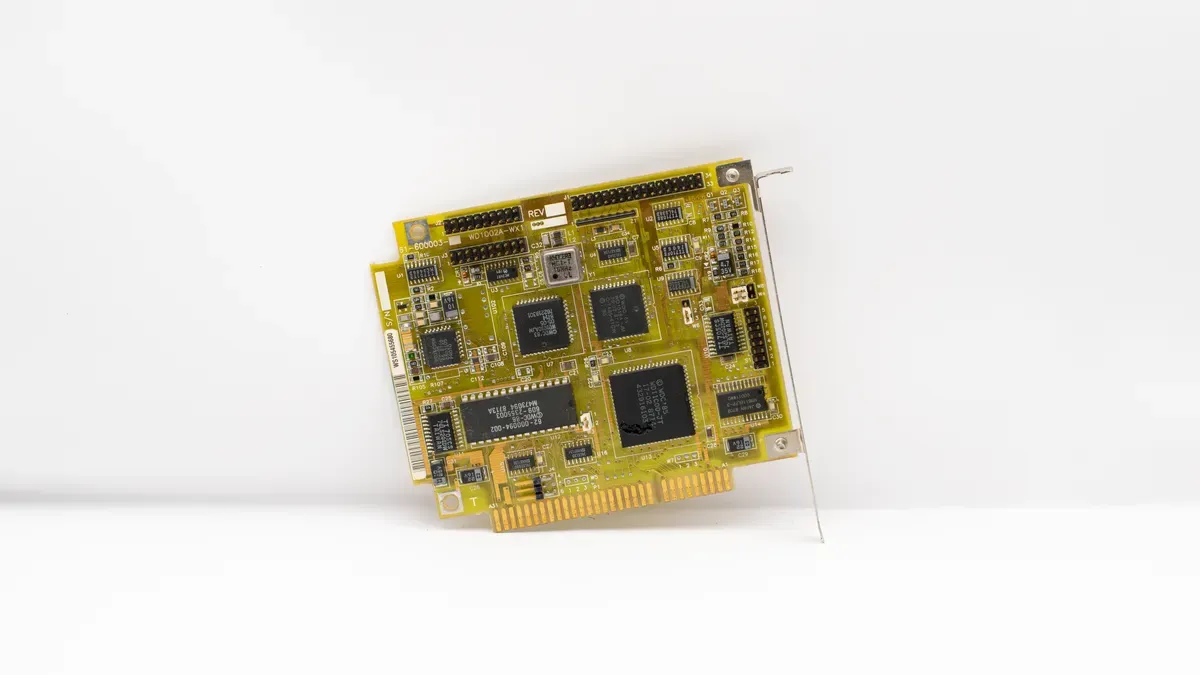
You need high-reliability flex PCB assembly when your project must always work. This way of building uses strict rules and special steps to make flex circuits last longer and work well in hard places. You pay close attention to every part, like picking materials and checking for problems, so things do not break.
Here are the main things you should look for in high-reliability flex PCB assembly:
- You keep your PCBs clean. Dirt can cause problems like rust and tiny metal paths that break the circuit.
- You pick strong materials. These materials can handle high heat and follow safety rules.
- You use the right solder paste. This helps you avoid melting problems and makes strong joins.
You use flex technology to fit circuits into small and odd spaces. You use rolled annealed copper so the copper does not get tired and break. You design the flex parts carefully so wires do not crack. You make lamination better so layers do not peel apart. You use good via structures so the circuit does not stop working sometimes. You follow IPC bend rules so tight bends do not hurt the board.
| Failure Mode | Impact | Prevention Method |
|---|---|---|
| Copper Fatigue | Open circuits | Use rolled annealed copper |
| Cracked Conductors | Signal interruption | Optimize flex region design |
| Delamination | Reduced reliability | Improve lamination quality |
| Via Failure | Intermittent operation | Use proper via structures |
| Tight Bend Radius | Mechanical damage | Follow IPC bend guidelines |
You build flex circuits with these features to make sure they work well and do not fail in common ways.
Why It Matters for Critical Operations
You work in jobs where things cannot break. High-reliability flex PCB assembly helps you trust your systems even when things get tough. You use smart inspection tools like 3D Solder Paste Inspection, Automated Optical Inspection, and X-ray inspection to find problems early. You test the whole system to make sure your flex PCBs work with other parts.
You need traceability to follow strict rules. In medical devices, traceability helps you meet FDA and ISO 13485 rules. You can find and remove bad units fast if there is a recall. In aerospace and defense, traceability helps you follow laws and keep people safe.
You pick high-reliability flex PCB assembly because it has better rules, lasts longer, and fails less than standard PCB assembly.
| Aspect | High-Reliability PCB Assembly | Standard PCB Assembly |
|---|---|---|
| Standards | IPC Class 3, AS9100D, ITAR compliance | IPC Class 1 or 2 |
| Inspection and Testing | Enhanced with AOI, X-ray, ICT, FCT, ESS | Basic inspection methods |
| Traceability | Lot-level, serialized, and documented | Limited traceability |
| Materials | Higher-grade materials, extended temperature range | Standard materials |
| Rework | Minimized and controlled | Often expected |
| Human Factor | IPC-certified operators, ongoing training | Variable training levels |
| Operational Lifespan | Longer due to rigorous standards and testing | Shorter, less stringent requirements |
Tip: You should always pick high-reliability flex PCB assembly for important jobs. This helps you follow safety rules and keeps your systems working in tough places.
You count on high-reliability flex PCB assembly to protect your good name and keep your work going. You know that being reliable is the most important thing in hard jobs.
Key Standards and Certifications
IPC Class 3 and High-Reliability PCB Assembly
You must follow strict rules when making high-reliability pcb assembly for important jobs. IPC Class 3 has the toughest rules for quality and performance. This standard makes sure your boards work well in rough places and do not fail when needed. You see tighter checks on copper thickness, hole quality, and ring width. You must stop holes from having gaps and keep layers from coming apart. These rules help you get high-reliability and keep your products safe.
| Characteristic | IPC Class 2 Requirements | IPC Class 3 Requirements |
|---|---|---|
| Plated Through-Hole (PTH) Copper Voids | One gap per hole allowed; Max 5% of holes with gaps; Gap length ≤ 5% of hole length. | No gaps allowed in the hole. |
| Average Copper Thickness in PTH | 20 µm | 25 µm |
| Minimum Copper Thickness in PTH | 18 µm | 20 µm |
| Annullus (Outer & Inner Layers) | Ring width can shrink up to 20%. | Ring width must meet strict limits. |
| Delamination/Blistering | Damaged area ≤ 1% per side; does not make conductor spacing too small. | Zero tolerance for expansion after heat testing. |
| Use in Industries | Less important jobs can use Class 2 rules. | Needed for Aerospace, Medical, Automotive, and Industrial jobs needing high reliability. |
You keep your systems safe by picking IPC Class 3. This standard helps your boards last longer and work better.
AS9100D, ISO 13485, and Industry Requirements
You must follow special rules for each industry to make high-reliability pcb assembly. AS9100D is for aerospace and defense. ISO 13485 is for medical devices. These rules make you use a strong quality system. You focus on managing risks and keeping processes steady. You track every step from design to making the product. This way lowers failure rates and makes things safer.
ISO 13485 makes you manage risks and write down every step. You check that your products meet strict medical rules. AS9100D needs you to track parts and control processes for aerospace. You follow these rules to make high-reliability products that protect people and reputations.
You earn trust from customers and regulators by following AS9100D and ISO 13485. These certifications show you care about quality and reliability.
Quality Assurance in High-Reliability Assembly
Traceability and Inspection
You cannot make mistakes with high-reliability flex PCB assembly. Traceability helps you follow every part and step in the process. You can see who worked on each flex circuit. This control lets you find problems fast and fix them before they get worse. In important jobs, traceability connects materials, machine data, inspection results, and what workers do. You lower risk and follow tough industry rules.
You use special inspection tools to find problems early. X-ray inspection lets you look inside flex assemblies. You can spot hidden solder issues or inside defects. Automated Optical Inspection checks every solder joint and part for quality. Finding problems early saves money and time. You can fix things before customers get them.
- Traceability helps you find defects right away, not later.
- You can recall only bad products and protect your company’s name.
- In-line inspection costs less than fixing problems after making the boards.
Tip: Always use traceability and inspection to make your work safer and more reliable.
Testing Protocols for Reliability
You need strong tests to make sure flex assemblies work in real life. Each test checks a different part of reliability. You start with in-circuit testing to check if the circuits work right. You use functional testing to see if the flex boards do their job. Burn-in testing puts the assemblies under high heat and heavy loads. This shows if anything will break early.
You also use special tests for high-reliability flex PCB assembly. Flex testing bends the circuits to see if they are strong. Thermal cycling puts boards in very hot and cold places. Vibration and humidity testing copy tough conditions in cars and planes.
| Testing Method | Purpose |
|---|---|
| AOI Post-Printing | Checks if solder paste is in the right place and amount before adding parts. |
| X-ray Post-Reflow | Looks for hidden problems under BGAs, like gaps or cold solder, to keep joints strong. |
| Flex Testing | Bends the board to see if wires and solder joints stay good. |
| Thermal Cycling | Finds heat problems by putting boards through hot and cold many times. |
| Vibration Testing | Makes sure parts stay on the board when shaken, like in cars or planes. |
| Humidity Testing | Checks for water problems by keeping boards in wet and warm air. |
You count on these quality steps to make sure your flex assemblies last and stay safe for important jobs. Each step helps you build flex assemblies that work well under stress.
Materials and Design for Reliability
Rigid-Flex and Flexible PCB Advantages
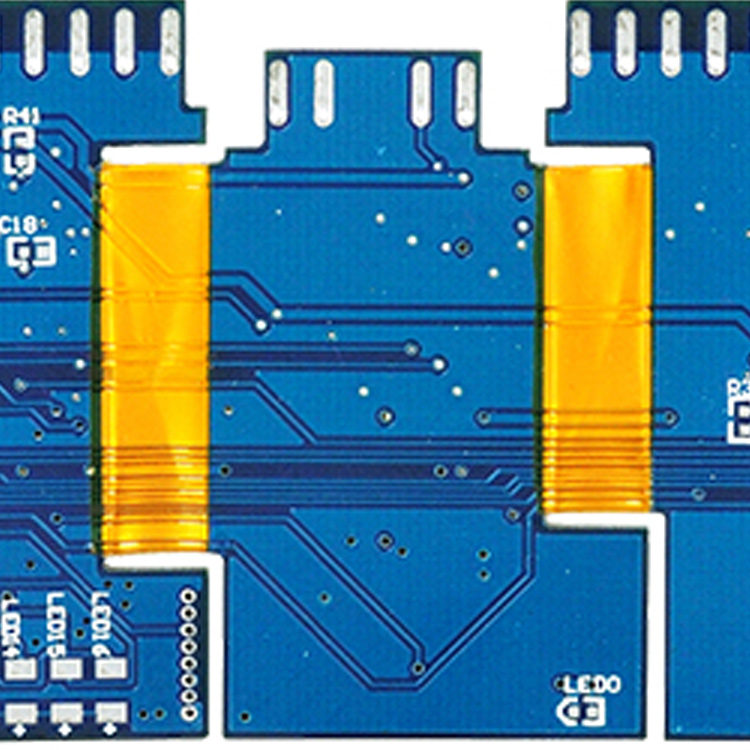
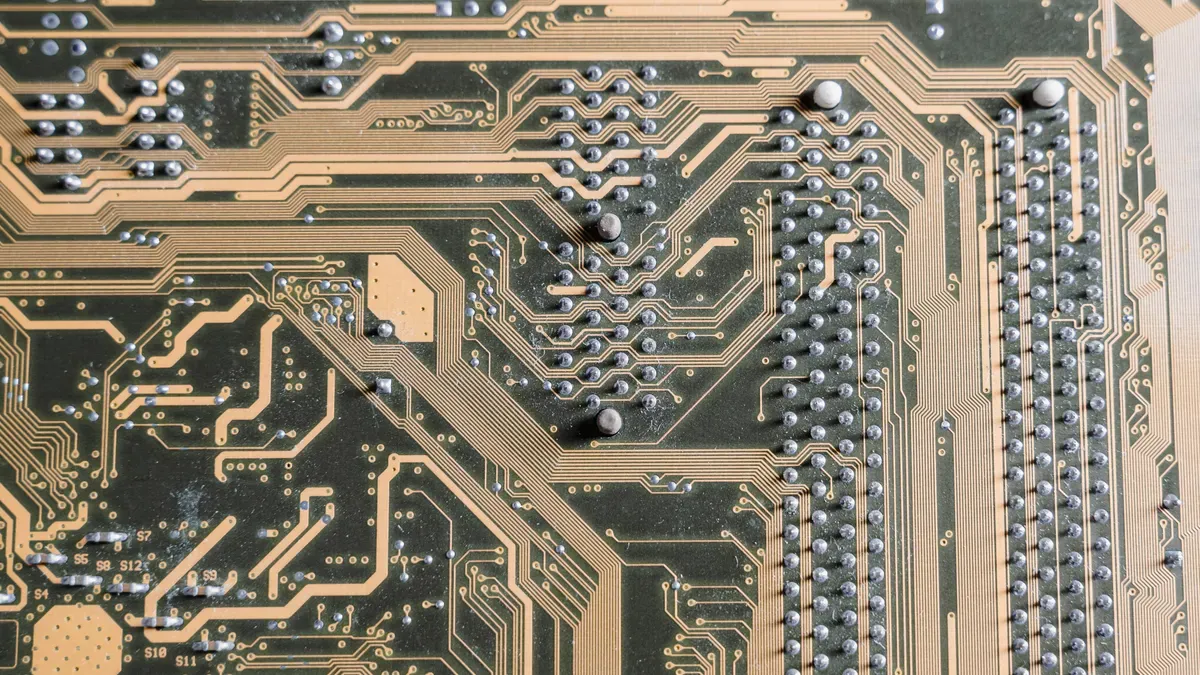
You need the right design for tough jobs. Rigid-flex and flexible PCBs are better than regular boards. You can bend, fold, or twist these circuits. They still work well after bending. This lets you put electronics in small or strange spaces.
- Rigid-flex PCBs are strong and flexible. They work well even when things get rough.
- The design uses fewer connectors and cables. Fewer connectors means fewer things can break.
- Signal integrity is better because connections fail less often.
- Rigid-flex PCBs can last over 100,000 hours in places that shake a lot.
- These boards are tough, so they are good for aerospace, medical, and defense jobs.
Note: You can count on rigid-flex PCBs to stop connector problems and handle shaking in your most important projects.
Material Selection and Joint Reliability
You must pick materials that can handle heat, water, and movement. The right materials keep your flex assemblies working for a long time.
| Material Type | Key Properties | Impact on Reliability and Performance |
|---|---|---|
| Polyimide (PI) | Handles heat, bends easily, resists chemicals | Works from -55°C to over 200°C, great for tough places |
| High-Tg FR-4 | Stays strong at high temperatures | Does not warp, helps boards last longer |
| Adhesives | Resists heat and water | Stops layers from peeling, keeps joints strong in wet air |
| Rolled Annealed Copper | Bends without breaking | Lets flex parts bend many times without cracks |
| Protective Coatings | Keeps out water and chemicals | Protects circuits from damage |
You use polyimide for flexible parts because it stays strong in heat and resists chemicals. FR4 is good for rigid parts because it gives strength and insulation. Rolled annealed copper lets flex circuits bend many times. Adhesiveless laminates and coverlays protect and help assemblies last longer.
Tip: Always pick good materials and make strong joints to get high-reliability in your flex PCB designs.
Skilled Personnel and Process Control
Process Control and Documentation
You make high-reliability flex assemblies by using strict controls. You pick good materials from trusted suppliers. You check designs early to stop risky shapes and help solder stick better. You set clear steps for printing, placing parts, and heating boards. You watch important numbers like solder paste amount and where parts go. You do audits and first checks often to find mistakes. You look at defect data and change instructions to keep getting better.
- Pick strong materials for each flex PCB.
- Check designs to make sure solder joints are solid.
- Set rules for printing, placing, and heating.
- Watch numbers with special tools.
- Do audits and checks to keep standards high.
- Learn from mistakes to make processes better.
You write down every step you take. You track where parts come from and their codes. You record how you heat boards, place parts, and check them. You give each board a barcode or serial number. This helps you follow each board’s history and keeps things reliable.
- Tracking parts helps you know where everything comes from.
- Process records show every step for each flex PCB.
- Unique codes link each board to its full history.
Note: Strong controls and good records help you stop mistakes and build reliable flex assemblies.
Training and Expertise
You need skilled people to make high-reliability flex PCB assemblies. You keep training your workers and engineers. You certify your team so they know the rules for flex circuits. You teach them how to handle materials, check solder joints, and follow steps. You ask your staff to learn new things and follow best practices.
Your team’s skills make sure every flex assembly meets tough rules. You trust your trained workers to find problems early and fix them fast. You build a culture of quality and reliability by helping everyone keep learning.
Tip: Always train your team and build skills to keep high-reliability in flex PCB assembly.
Choosing a High-Reliability Assembly Partner
What to Look For
You need a partner who knows how to make high-reliability flex PCB assembly. First, check if they have good machines and tools. Make sure they can build your flex designs with the right number of layers and the right trace width. Look for quality certifications like IPC-6013 and ISO 9001. These show the supplier follows strict rules and makes reliable products.
You should get strong engineering help. A good partner will review your design and help with DFM before making anything. It is important that they have a steady supply chain. Good partners keep enough parts in stock and deliver on time.
| Evaluation Criteria | Description |
|---|---|
| Manufacturing Technology and Production Capability | Can build flex designs to your specifications, including layer count and trace width. |
| Quality Certifications and Compliance Infrastructure | Holds certifications like IPC-6013 and ISO 9001 for high-reliability assurance. |
| Engineering Support and DFM Engagement | Offers design reviews and engineering help before production. |
| Supply Chain Stability and Lead Time Integrity | Delivers flex assemblies reliably and manages inventory well. |
Tip: Always check for industry certifications like ISO 9001, ISO 13485, and J-STD-001. These prove your partner can meet high-reliability standards for flex assemblies.
You should also look at how they did in the past. If they always deliver good flex products on time, they are reliable. Customer reviews and stories help you see what they do well and what they do not.
Key Questions to Ask
You must ask the right questions to make sure your partner does quality work. Start by asking if their workers are IPC-certified for soldering and assembly. Find out what inspection tools they use to check flex assemblies. Ask if they write down their assembly steps to keep things the same every time.
- Does the supplier have industry certifications for high-reliability flex PCB assembly?
- Can you set clear quality rules with them?
- Will they review your design and do DFM before making boards?
- What tests do they use for flex assemblies?
- Can you get samples before they make all your boards?
- Do they follow standards like ISO 9001 and IPC-6013?
- Are technicians IPC-certified for soldering and assembly work?
- What inspection tools are used to check product quality?
- Are assembly steps written down to keep things the same?
Note: You build trust by asking these questions and checking certifications. This helps you pick a partner who can deliver high-reliability flex assemblies for important jobs.
You trust high-reliability flex PCB assembly to keep things safe. It helps your work follow important rules. When picking materials for flex, think about heat and movement. Design flex areas carefully and test them with prototypes. Work with your flex partner early to stop mistakes. Use design software to check how flex parts fit and write down every step. If you follow IPC-6013 standards, you will have fewer failures and your flex assemblies will last longer.
FAQ
What makes flex PCB assembly “high-reliability”?
You use very strict rules and good materials. You check every board with special tools. You follow rules like IPC Class 3. You test boards to see if they work in tough places. High-reliability means your boards break less and last longer.
How do you ensure traceability in flex PCB assembly?
You give each board its own code or barcode. You write down every step, from getting materials to checking the board at the end. This helps you find problems fast and only recall bad boards if needed.
Why should you choose rigid-flex PCBs for critical applications?
You get strong and bendy circuits that fit in small spaces. Rigid-flex PCBs stop connector problems and handle shaking better. You can count on them for jobs in aerospace, medical, and defense.
What certifications should your assembly partner have?
You should look for IPC-6013 and ISO 9001. For medical or aerospace, look for ISO 13485 or AS9100D. These show your partner follows tough rules for quality and reliability.