 English
 Arabic
 Chinese (Simplified)
 Dutch
 French
 German
 Italian
 Portuguese
 Russian
 Spanish

The Ultimate Guide to Remove Conformal Coating Removal
What is Conformal Coating?
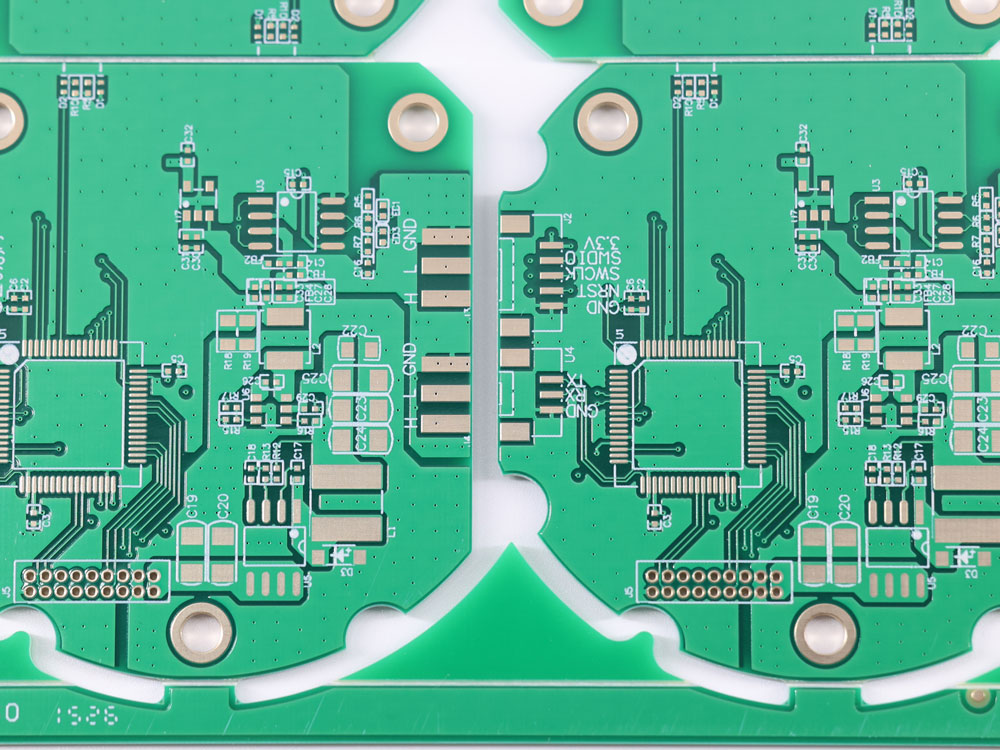
Conformal coating is a protective, non-conductive polymer film that is applied to printed circuit boards (PCBs) to provide electrical insulation and shield sensitive circuitry from harsh environmental contaminants. This thin, transparent or translucent layer “conforms” to the intricate geometries of the board and its components, offering a moisture-resistant, corrosion-preventive barrier that is crucial for PCB protection in critical and high-reliability applications.
Key Benefits of Conformal Coating for PCB Protection
- Moisture and Humidity Resistance: Greatly reduces the risk of corrosion, electrochemical migration, and leakage current by acting as a moisture barrier.
- Electrical Insulation: Prevents unintentional short circuits, providing a stable, reliable dielectric strength.
- Protection Against Environmental Contaminants: Shields the PCB and its components from dust, salt spray, dirt, chemicals, and corrosive gases.
- Improved Mechanical and Thermal Durability: Dampens vibration, enhances abrasion resistance, and minimizes damage from thermal and mechanical stress.
- Enhanced Device Longevity: Extends service life and reliability of electronics by minimizing the risk of field failure, especially in critical applications such as aerospace, automotive, and industrial control.
Table: Conformal Coating Properties and Protective Functions
| Property | Role in PCB Protection |
|---|---|
| Moisture resistance | Prevents corrosion and ionic contamination |
| Dielectric strength | Insulates PCB traces and prevents short circuits |
| Chemical resistance | Shields against solvents, gases, and acids |
| Thermal stress resistance | Maintains integrity through cycles of heating and cooling |
| Abrasion resistance | Protects PCB from scratching and mechanical damage |
| Transparency (optional) | Allows visual inspection and troubleshooting |
| Flexibility | Allows for PCB expansion and contraction during operation/repair |
Why is Conformal Coating Used?
Conformal coating is essential for PCB protection in today’s electronics industry. Its application extends the operational life, durability, and safety of printed circuit boards, especially when devices are exposed to challenging environments.
Main Reasons for Using Conformal Coating
- Moisture Resistance: Prevents absorption of water that can cause leakage current, corrosion, and electrochemical migration.
- Corrosion and Chemical Resistance: Shields against corrosive gases, acids, and industrial pollutants, which may degrade copper traces and solder joints.
- Electrical Insulation: Ensures circuits remain isolated, boosting dielectric strength and protecting against short circuits and arcing.
- Mechanical Stress Relief: Mitigates vibration and physical shocks, drastically reducing solder joint fatigue and component detachment.
- Abrasion Resistance: Guards against dust, debris, and friction that could scratch the PCB surface.
- Thermal Protection: Dampens the effect of rapid temperature changes, minimizing the chance of board cracking and solder joint failures.
- Enhanced Reliability: Reduces risk of field failures, proves crucial for industries like aviation, automotive, defense, and medical equipment.
How to Apply Conformal Coating
Applying conformal coating correctly is as critical as selecting the right conformal coating material. The application method affects uniform coverage, coating thickness, and ultimately the performance and reliability of the protected PCB.
Common Conformal Coating Application Methods
1. Brushing
- Direct manual application with a brush.
- Suitable for repair, small batches, or touch-ups.
- Ensures targeted coverage, but may introduce bubbles or uneven thickness if not done carefully.
2. Aerosol Spraying
- Pre-thinned coating sprayed from an aerosol can.
- Good for prototyping or low-volume runs.
- Requires careful masking and good ventilation.
3. Batch Spraying
- Uses spray guns in a controlled environment.
- Best for medium to high-volume PCB production.
- Enables uniform thickness and can be automated.
4. Selective Spraying
- Robotic/automated systems spray only specified areas.
- Reduces masking and material usage.
- Ideal for complex or densely populated PCBs.
5. Dip Coating
- Entire assembly dipped into a coating solution, then drained.
- Offers complete, uniform coverage.
- Needs precise control for component compatibility.
6. Vapor Deposition
- Chemical Vapor Deposition (CVD) and Parylene vaporization produce pinhole-free, ultra-thin films.
- Boards placed in a vacuum chamber.
- Highest-quality conformal coating, widely used for critical electronics in aerospace, medical, and military fields.
Table: Advantages and Disadvantages of Common Application Methods
| Method | Pros | Cons |
|---|---|---|
| Brushing | Simple, low-cost, localized | Inconsistent, labor-intensive |
| Aerosol Spraying | Quick, portable, low setup | Overspray, masking needed |
| Batch Spraying | Consistent, scalable | Skill, setup required |
| Selective Spraying | Efficient, precise | Expensive equipment |
| Dip Coating | Complete coverage, uniform | May coat unwanted areas |
| Vapor Deposition | Pinholes minimized, high purity | Complex, costly, slow |
Step-by-Step Conformal Coating Application Process
A carefully structured conformal coating process optimizes coverage and prevents defects.
1. PCB Cleaning
- Remove soldering flux residues and ionic contamination using solvents or plasma cleaning.
- Ensures strong coating adhesion and prevents corrosion beneath the coating.
2. Priming
- Some coatings require primer for improved adhesion, especially with low-surface-energy materials.
3. Masking
- Protect connectors, test points, and critical uncoated areas using masking tapes, boots, or liquid latex.
4. Application
- Apply the chosen conformal coating via selected method (brush, spray, dip, vapor deposition).
- Control viscosity and coating thickness as specified by datasheets.
5. De-masking and Finishing
- Remove all masking materials promptly to avoid tearing the coating or leaving residues.
6. Drying and Curing
- Allow proper drying time.
- Use UV, heat, or moisture curing as per product recommendation. Ensure full polymer cross-linking for optimal reliability.
7. Inspection
- Inspect using UV lamps (standard for most coatings containing UV tracers), automated optical inspection (AOI), or manual review.
- Check for defects such as bubbles, voids, delamination, insufficient coverage, or over-coating.
Types of Conformal Coating and How to Choose
Selecting the right conformal coating chemistry is critical for device success. Each resin system offers unique properties for specific environments.
Main Conformal Coating Types
1. Acrylic Conformal Coating
- Excellent moisture resistance and ease of rework/removal.
- Good dielectric strength, low cost.
- Not ideal for high-temperature or harsh chemical exposure.
2. Polyurethane Conformal Coating (Urethane)
- Superior chemical and abrasion resistance.
- Moderate difficulty to remove, suitable for automotive, aerospace.
- Stiffer; can crack under thermal cycling if not applied correctly.
3. Silicone Conformal Coating
- Wide operating temperature range (–50°C to 200°C+), high moisture and salt mist resistance.
- Flexible, ideal for thermal cycling and vibration.
- Generally resistant to solvents—removal may be difficult.
4. Epoxy Conformal Coating
- Very tough, offers strong chemical and abrasion protection.
- Permanent, very difficult to remove.
- Used where extremes of temperature and chemistry are expected.
5. Parylene Conformal Coating
- Deposited by chemical vapor deposition for ultra-thin, pinhole-free barriers.
- Excellent chemical, moisture, and dielectric properties.
- Non-removable except by abrasive methods or stripping agents.
Table: Conformal Coating Properties Comparison
| Type | Moisture Resistance | Chemical Protection | Removability | Flexibility | Common Uses |
|---|---|---|---|---|---|
| Acrylic | Good | Fair | Easy (solvent) | Moderate | Consumer, general |
| Polyurethane | Good | Excellent | Moderate (solvent/abrasion) | Low | Automotive, industrial |
| Silicone | Excellent | Good | Hard (special solvent) | Excellent | Harsh, high-temp areas |
| Epoxy | Excellent | Excellent | Very difficult | Low | Defense, heavy industry |
| Parylene | Excellent | Excellent | Very difficult | Moderate | Medical, space, sensors |
How to Identify the Conformal Coating on a PCB
Correct identification of the conformal coating type is essential before attempting removal or repair.
Identification Techniques
- Visual Inspection
- Acrylic: clear to milky, soft, scratches easily.
- Polyurethane: glossy, hard, amber hue.
- Silicone: rubbery, soft, flexible, may be cloudy.
- Epoxy: hard, tough, difficult to scratch or cut.
- Parylene: ultra-thin, water-clear, glassy.
- Manufacturer Documentation
- Reference assembly/process documents or request info if possible.
- Solvent Test
- Heart of PCB repair: Spot-test with known solvents (isopropyl alcohol, acetone, etc.) on a non-critical corner.
- Acrylic will dissolve with mild solvents, silicone and polyurethane are more resistant.
- UV Inspection
- Most coatings include UV tracer—shine UV lamp to detect coverage and type.
- Analytical Testing
- Advanced: FTIR spectroscopy, ion chromatography when precise identification is essential.
Why and When to Remove Conformal Coating
Conformal coating removal is a key aspect of PCB repair and rework, particularly when access to components or traces is needed for:
- Component replacement: Salvage or upgrade faulty or obsolete components.
- PCB repair: Restore damaged traces or pads.
- Inspection: Failure analysis, troubleshooting, or QA investigations.
- Coating defects: Remove and reapply if bubbles, voids, bridges, or delamination are observed.
Professional Tip: Always choose the removal method based on “minimum damage, maximum effectiveness.” Removing more coating than necessary weakens PCB protection and can cause lasting harm.
Methods for Conformal Coating Removal
The strategy for conformal coating removal depends on coating type, PCB design, and repair goal. Always prioritize safety with personal protection and fume extraction.
Mechanical Abrasion
Micro Sandblasting
Micro sandblasting is a highly targeted, mechanical approach for removing tough conformal coatings such as parylene, polyurethane, and epoxy. This method uses a stream of fine, non-conductive abrasive particles (such as baking soda or alumina) propelled by compressed air through a handpiece or nozzle. The process is primarily used when chemical stripping is ineffective or risky.
- Advantages:
- Highly localized removal—perfect for component-level repair.
- Effective for hard, chemically resistant coatings (parylene, epoxy).
- Generates little heat, minimizing thermal stress on sensitive components.
- Leaves components and board traces mostly intact.
- Disadvantages:
- Potential for physical abrasion or exposure of copper traces if not handled meticulously.
- Requires specialized microblasting equipment and safe work environment (containment, PPE).
- Abrasive residue must be thoroughly cleaned from the PCB after the process.
Grinding & Scraping
Another physical approach involves the use of scalpels, dental picks, or fiberglass brushes to manually abrade the coating.
- When to Use:
- Spot repairs or small area rework on boards with hard coatings.
- When solvent or heat removal would endanger nearby components.
- Cautions:
- Always use gentle pressure; deep scraping can cut traces.
- Dispose of debris and wear PPE—fiberglass particles are hazardous if inhaled or if they come in contact with skin.
Chemical Solvent Removal
Solvent stripping is the most popular method to remove acrylic conformal coatings and can be adapted for some polyurethanes and silicones when the correct solvent is chosen.
Step-by-Step:
- Identify the coating type (Use manufacturer info or spot testing).
- Select a compatible solvent (e.g., acetone or ethyl acetate for acrylics).
- Protect surrounding components (mask or shield areas to prevent solvent ingress).
- Apply solvent directly or use a remover pen for localized or small-area removal.
- Wait for coating to soften, then gently brush or swab the area clean.
- Repeat as needed for stubborn, thick, or multiple layers until the PCB is exposed.
Popular Commercial Remover Products
| Product Name | Best For | Notes |
|---|---|---|
| Chemtronics Chemask Remover | Acrylic/polyurethane | Fast-acting, pen format available |
| MG Chemicals 8309 Conformal Remover | Acrylic, some urethane | Low-odor, safe on most components |
| Techspray Conformal Coating Remover | Acrylic, silicone | Slow on polyurethanes & epoxies |
Expert Quote: “Always conduct a compatibility check. Long soak times can attack plastics or sensitive components. For large boards, consider controlled, ventilated dipping or flotation devices to immobilize the repair area.”
Peeling
Some silicone conformal coatings and select flexible acrylics permit manual peeling.
- How to do it:
- Nick a coating corner with a sharp tool or scalpel.
- Gently lift and pull; the layer may peel away in sheets.
- Best suited for spot repair, not whole-board stripping.
- Best for:
- Softer, elastomeric coatings with high elongation before breakage.
Thermal / Burn-Through Method
Soldering Iron Removal
A common rework technique is to use a soldering iron to locally burn through the coating during component desoldering or replacement.
- Use cases:
- Small rework sites (legs of ICs, edge connectors).
- Precautions:
- Use well-ventilated areas due to fume hazard.
- Only apply heat to the area being reworked; avoid excessive exposure to nearby plastic parts or thermal-sensitive materials.
- Once complete, use flux remover to clean residue.
Microblasting
As previously said, microblasting—also called abrasive blasting—uses a precise stream of abrasive to erode tough coatings like parylene and rigid epoxy. Its main strength is extreme localization and minimal chemical risk.
- Ideal for:
- Parylene conformal coating removal.
- Stubborn, cross-linked or solvent-resistant coatings where solvent and thermal methods fail.
Pro Tip: Always test your process on a scrap board, as microblasting efficiency varies by board density and coating thickness.
Comparing Removal Methods by Coating Type
| Coating Type | Solvent Removal | Burn-Through | Peeling | Mechanical (Blasting) | Scraping |
|---|---|---|---|---|---|
| Acrylic | Excellent | Good | Fair | Good | Good |
| Polyurethane | Fair | Possible | Poor | Good | Good |
| Silicone | Poor | Limited | Excellent | Fair | Possible |
| Epoxy | Poor | Limited | Poor | Good | Good |
| Parylene | Poor | No | No | Excellent | Fair |
- Legend:
- Excellent: Reliable & safe; preferred.
- Good: Works well with care.
- Fair: Use cautiously.
- Poor/No: Not recommended.
How to Rework and Prepare PCB After Coating Removal
Professional PCB rework is not complete until all conformal coating residues are gone and the board is ready for reassembly or re-coating.
Post-Removal Cleaning
- Clean all residues: Use isopropyl alcohol or recommended cleaning agent for the new coating.
- Neutralize chemicals: For aggressive solvents, rinse thoroughly to prevent future corrosion or contact failure.
- Remove all debris: If abrasive blasting was used, use compressed air and vacuum extraction to fully remove dust.
- Inspect for damage: Check solder pads, traces, and components for scratches, lifted pads, or collateral damage.
- Dry board thoroughly: Moisture or remaining solvent can cause new coating to fail or trap contaminants.
Preparing for New Coating
- Perform ionic contamination test/ion chromatography if the board is for a high-reliability environment.
- Mask areas not to be coated.
- Repeat cleaning and drying as needed for best results.
FAQ
Q1: Can I use household solvents like acetone or isopropyl alcohol for all coatings?
No. While acetone or alcohol can dissolve most acrylic conformal coatings easily, polyurethanes, silicones, and especially epoxy or parylene coatings require specialized stripping agents or physical removal.
Q2: Will removing conformal coating void device warranty?
In most cases, yes. Any unauthorized removal or modification of the PCB conformal coating will void manufacturer warranties, especially for mission-critical applications. Always consult OEM support first.
Q3: How can I remove coating without damaging PCB traces?
- Choose mild solvents for acrylic.
- For tougher coatings, use microblasting or precision abrasion under magnification.
- Always work in small areas, use the least aggressive method first, and proceed slowly.
Q4: What risks are involved with chemical stripping?
- Component compatibility (plastics and elastomers can dissolve).
- Fume inhalation: Always use fume extraction and gloves.
- Overexposure can attack solder mask, silkscreen, and even copper pads.
Q5: How do I reapply conformal coating after patch removal?
- Spot apply new coating (using brush or selective spray) after cleaning and drying.
- Allow full cure before handling or testing.
Conclusion
Conformal coating removal is a nuanced, mission-critical process for anyone maintaining or repairing complex electronics. Knowledge of coating type, choice of removal method, and use of proper tools are paramount for safety and effectiveness. Whether you are working with acrylic, silicone, polyurethane, parylene, or epoxy, this guide gives you the tools to recognize, remove, and repair conformal-coated circuit boards, ensuring maximum PCB protection, reliability, and longevity as your end goal.
For more technical support, subscribe to our newsletter or ask your toughest questions in the comments below—we’re here to help you succeed in every PCB repair or rework project.