 English
 Arabic
 Chinese (Simplified)
 Dutch
 French
 German
 Italian
 Portuguese
 Russian
 Spanish

PCB Ionic Contamination Testing: Causes, Risks & Prevention
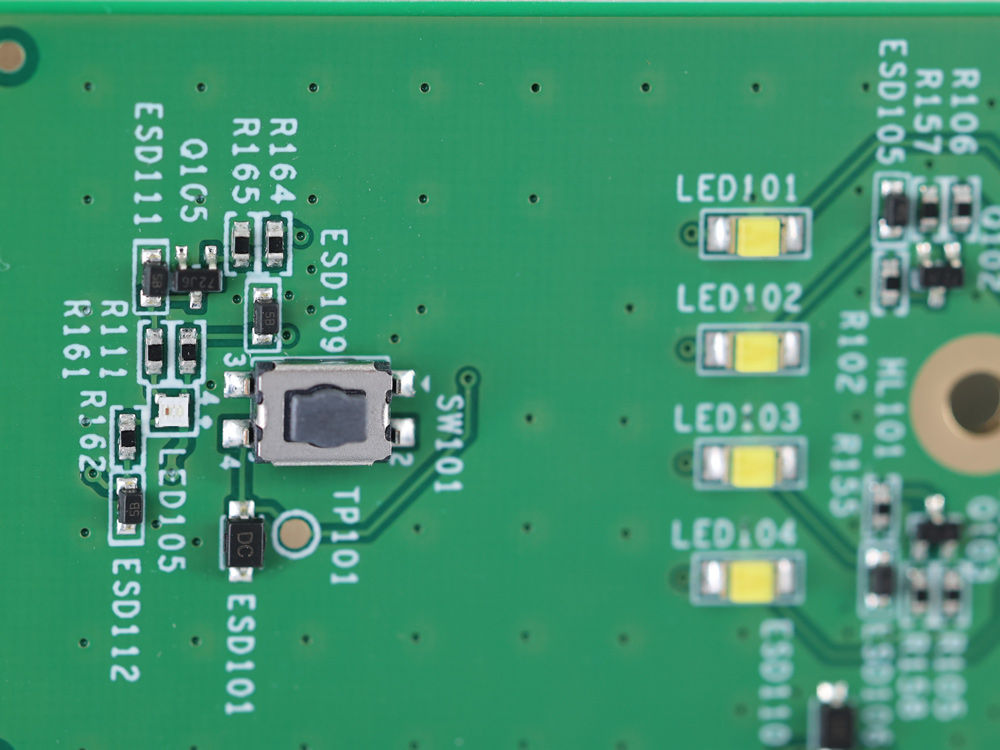
Understanding and managing PCB ionic contamination is essential for ensuring the reliability and longevity of electronic assemblies. In this guide, we’ll explore what ionic contamination is, its sources, effects, and strategies to prevent it. Comprehensive testing and cleaning processes are crucial for minimizing these risks and enhancing PCB reliability in various applications.
Introduction to PCB Ionic Contamination
PCB ionic contamination is a critical issue affecting electronic assemblies. It stems from residues left by etching chemicals, fluxes, and improper handling during PCB fabrication and assembly. Ionic residues such as chloride, bromide, and sulfate are conductive and can lead to electrochemical migration, dendritic growth, and ultimately electrical failures.
Importance of Understanding PCB Ionic Contamination
- Reliability Risks: Ionic contamination can cause corrosion and electrical leakage, impacting PCB reliability.
- Failure Mechanisms: Contaminants facilitate pathways for dendritic growth and short circuits.
- Testing and Prevention: Regular PCB ionic contamination analysis and robust PCB cleaning processes are essential to ensure product performance and durability.
Quote: “In modern electronics, a single contaminant can lead to product failures. Prevention and understanding are key.” — IPC Technical Guidelines
This guide will equip you with knowledge about sources, effects, and proven techniques for preventing and testing ionic contamination, safeguarding your PCBs against potential reliability issues.
What is Ionic Contamination in PCBs?
Ionic contamination refers to conductive residues that remain on a printed circuit board (PCB) after fabrication or assembly. These residues typically include various ions such as chlorides, bromides, nitrates, and sulfates. Their presence can drastically affect the board’s functionality by creating electrical pathways that lead to leakage currents and potential failures.
Definition and Significance
- Conductive Residues: These contaminants are primarily ionic and can facilitate unintended electrical conduction, especially under humid conditions.
- Impact on Reliability: Ionic residues can cause corrosion, leading to degraded circuit performance and possible failures.
- Sources: Common sources include flux residues, plating chemicals, and handling contaminants.
Sources of Ionic Contamination in PCBs
Understanding the sources of ionic contamination is essential for implementing effective prevention strategies.
Common Sources
- Residues from PCB Fabrication: Include etching chemicals and plating residues. These chemical processes can leave behind conductive ions unless properly cleaned.
- Assembly and Soldering: Flux residues, particularly from flux activators, are significant contributors. The use of rosin-based or no-clean flux can lead to persistent residues if not addressed.
- Handling and Environment: Human handling introduces salts and oils, while environmental exposure, such as moisture trapped in PCB layers, increases contamination risk.
Types of Ionic Pollutants
- Anions and Cations: Chloride, bromide, nitrate, sulfate (anions), and sodium, ammonium, potassium, magnesium (cations) are common.
- Chemical Residues: Include organic acids and dissolved salts from various manufacturing stages.
Effects of Ionic Contamination on PCB Reliability
The presence of ionic contamination can have severe effects on PCB reliability. Below are the critical failure mechanisms:
Corrosion and Dendritic Growth
- Corrosion: Conductive residues can corrode metal traces, leading to corroded traces and open circuits.
- Dendritic Growth: Ionic contaminants promote the formation of dendrites, or conductive filament growth, between conductive paths, causing short circuits.
Electrochemical Migration and Leakage Current
- Electrochemical Migration (ECM): Under voltage bias and humidity, ions migrate and form dendrites.
- Leakage Current and Signal Degradation: Unintended pathways create leakage, reducing insulation resistance and causing signal degradation.
Table: Effects of Ionic Contamination on PCB Reliability
| Failure Mechanism | Impact |
|---|---|
| Corrosion | Degraded circuit paths |
| Dendritic Growth | Short circuits |
| Electrochemical Migration | Dendrite formation |
| Leakage Current | Reduced insulation |
| Signal Degradation | Loss of signal integrity |
Standards and Limits for PCB Ionic Contamination
Industry standards dictate the acceptable levels of ionic contamination to ensure PCB reliability.
IPC Ionic Contamination Requirements
The IPC provides guidelines and limits for ionic contamination:
- Ionic Contamination Limits: Generally set at 1.56 µg NaCl/cm² for non-coated boards.
- Standard References: IPC-TM-650 outlines procedures for testing ionic contamination.
Establishing Internal Cleanliness Thresholds
- Internal Standards: Beyond industry standards, companies may set stricter cleanliness thresholds tailored to specific applications (e.g., aerospace, medical devices).
Testing for Ionic Contamination: Methods and Equipment
Accurate ionic contamination testing is essential for PCB cleanliness validation and reliability assurance.
ROSE (Resistivity of Solvent Extract) Test
The ROSE test measures the ionic contamination extracted from a PCB using a solvent:
- Process: PCB is immersed in an isopropyl alcohol (IPA)/water solution, and the resistivity of the extract is measured.
- Significance: Provides a quick assessment of surface cleanliness.
Ion Chromatography (IC)
Ion chromatography offers a detailed analysis of specific ionic contaminants:
- Detailed Analysis: Identifies and quantifies individual ions present, such as chlorides, bromides.
- Use Cases: Ideal for environments demanding high reliability, like medical and aerospace sectors.
Conductivity and Resistivity Measurements
- Conductivity Meters: Measure the overall ionic concentration in extracted solutions.
- Surface Insulation Resistance (SIR) Testing: Evaluates the insulation resistance and integrity of the PCB over time.
Table: Comparison of Ionic Contamination Testing Methods
| Method | Advantages | Limitations |
|---|---|---|
| ROSE Test | Quick, cost-effective | Less specific analysis |
| Ion Chromatography | Detailed, precise | More expensive, complex |
| Conductivity Meters | Easy to use | Limited to total content |
Preventing and Controlling Ionic Contamination in PCBs
Implementing rigorous cleaning and handling protocols is key to controlling ionic contamination.
Robust PCB Cleaning Processes
Incorporate effective cleaning methods such as:
- Aqueous and Semi-Aqueous Cleaning: Use water-based solutions to remove residues.
- Ultrasonic Cleaning: Utilizes cavitation to reach complex areas.
- Vapor Phase Degreasing: Efficient for high-volume production environments.
Production Environment Controls
- Humidity Control: Minimizes moisture absorption by using desiccant systems.
- Cleanroom Facilities: Eliminate airborne contaminants during assembly processes.
Material and Process Choices
- Flux Selection: Opt for low-residue fluxes and avoid using high-activity flux.
- Conformal Coating Application: Adds a barrier against contaminants and moisture.
Expert Tip: “Even the cleanest assembly process can be undermined by improper handling. Consistent training and environmental controls minimize contamination risks.” — Reliability Engineer
Routine Test and Closed-Loop Cleanliness Control
- Routine Monitoring: Implement regular ionic contamination testing using conductivity meters or ion chromatography.
- Closed-Loop Control: Continuously monitor and adjust cleaning processes to maintain quality and compliance.
Conclusion
Effective management of PCB ionic contamination is a cornerstone of ensuring long-term reliability and performance. By understanding contamination sources and effects, instituting proper testing, and adhering to meticulous cleaning and prevention practices, manufacturers can protect their products from costly failures and enhance brand integrity.
Comprehensive testing, awareness, and adherence to standards like IPC guidelines play vital roles in reducing contamination and securing electronic assemblies against diverse environmental and operational challenges.
FAQ
What causes ionic contamination on PCBs?
Ionic contamination arises from residues left on a PCB after fabrication, assembly, or handling. This includes etching chemicals, flux residues, and contaminants introduced by human contact.
How does ionic contamination affect PCB reliability?
It leads to failures such as corrosion, dendritic growth, and electrochemical migration, all of which increase leakage currents and decrease signal integrity.
How can I test PCBs for ionic contamination?
Methods include ROSE testing for general cleanliness and ion chromatography for detailed ion identification and quantification.
What are the IPC standards for ionic contamination?
IPC guidelines set contamination limits, typically at 1.56 µg NaCl/cm² for uncoated boards, ensuring product reliability and performance.
What cleaning methods help prevent ionic contamination?
Aqueous, semi-aqueous, vapor phase degreasing, and ultrasonic cleaning are effective in removing ionic residues from PCBs.