 English
 Arabic
 Chinese (Simplified)
 Dutch
Dutch French
 German
 Italian
 Portuguese
 Russian
 Spanish
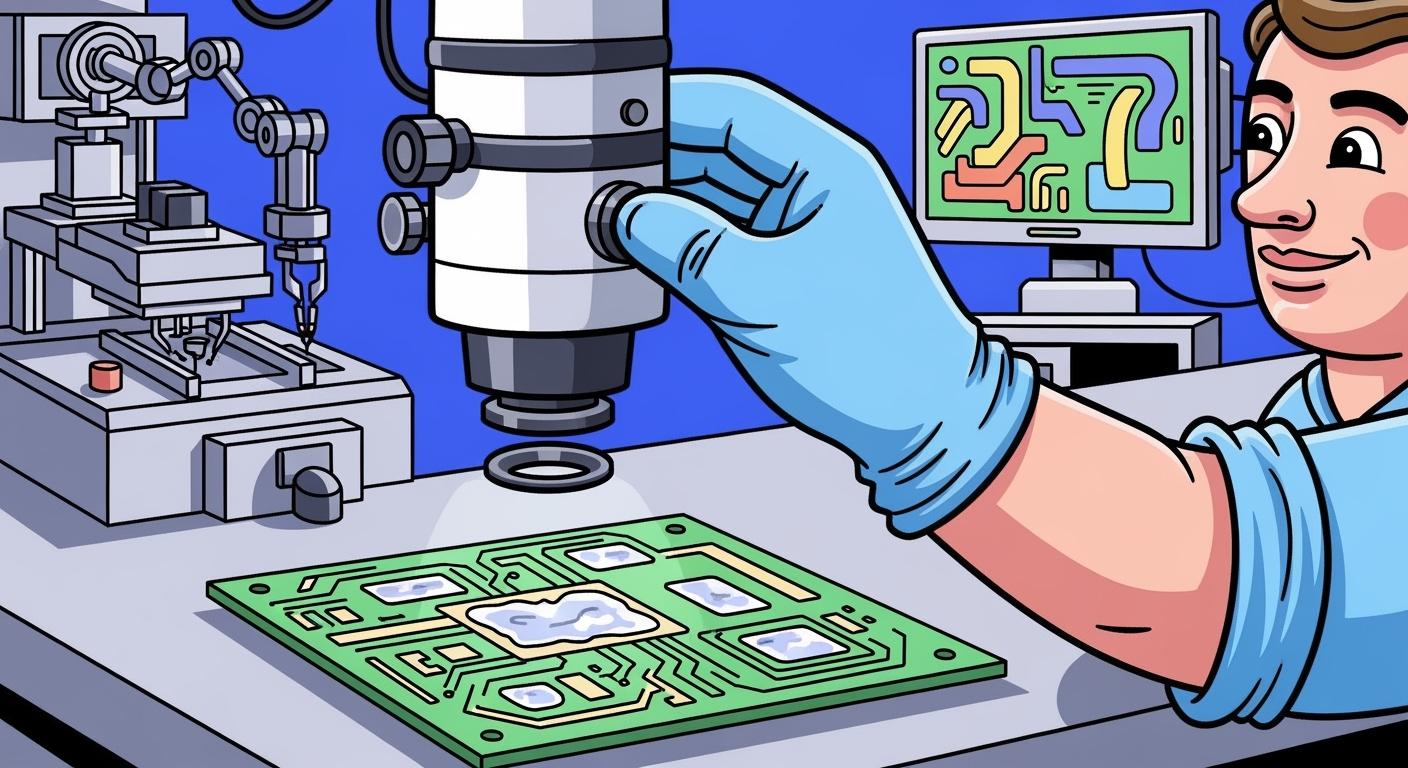
You need to optimize solder paste inspection to achieve consistent quality and minimize defects in SMT Assembly. Advanced SPI systems monitor crucial metrics such as volume, height, and area, which directly impact the reliability of your final product. These systems log every defect and provide visual feedback, allowing you to address issues before they affect production. KING FIELD brings over 20 years of expertise and uses state-of-the-art technology to ensure every assembly meets the highest standards.
Key Takeaways
- Solder paste inspection (SPI) catches defects early, preventing costly rework and ensuring reliable SMT assembly.
- Proper solder paste handling, stencil maintenance, and printer alignment are essential for consistent print quality.
- 3D SPI systems measure volume, height, and area to detect defects precisely and improve product reliability.
- Use SPI data for real-time feedback and long-term process control to reduce defects and boost production efficiency.
- Regular calibration, cleaning, and environmental control keep SPI equipment accurate and support high-quality results.
Why SPI Is Critical in SMT Assembly
Impact on SMT Quality
You play a key role in ensuring the quality of every SMT assembly by focusing on the solder paste inspection process. Most assembly defects—up to 70%—originate from the solder paste printing stage. If you catch issues early, you prevent costly rework and avoid defective boards moving forward in production. Solder paste inspection gives you real-time feedback on the health of your process. This feedback helps you maintain stable operations and improve first-pass yield.
Tip: Regular inspection helps you spot problems like uneven paste application or misalignment before they cause bigger issues.
Industry experts highlight three main objectives for solder paste inspection in SMT assembly:
| Objective | Description |
|---|---|
| Defect Prevention | Identify printing errors early to stop defective boards from advancing. |
| Process Monitoring | Provide data on the stability of your stencil printing process. |
| Yield Improvement | Increase first-pass yield and reduce costs by minimizing rework and scrap. |
You also need to follow regulatory standards. These standards require you to ensure even solder paste printing, proper alignment with pads, and compatible paste thickness. Meeting these criteria leads to reliable solder joints and consistent product quality.
Common Solder Paste Defects
When you perform solder paste inspection, you can identify several common defects that impact SMT assembly quality. Here are some of the most frequent issues:
| Defect Type | Description | Causes |
|---|---|---|
| Missing Components | Components are absent or dropped before placement. | Vacuum failure, feeder errors, low paste volume. |
| Tombstoning (Side-up) | Passive parts stand upright after reflow. | Uneven wetting, steep reflow, uneven paste. |
| Component Misalignment | Parts are not centered on pads, causing poor joints. | Incorrect coordinates, movement, excessive force. |
| Solder Balls | Small spheres near or under parts, leading to shorts. | Paste degradation, moisture, rapid heating. |
| Solder Bridging/Shorts | Unintended connections between conductors, causing shorts. | Thick stencil, poor alignment, component shift. |
You can reduce these defects by maintaining a robust solder paste inspection process. Consistent inspection and process control help you deliver high-quality SMT assembly every time.
SPI Preparation and Setup
Solder Paste Handling
Proper solder paste handling forms the foundation of a reliable solder paste inspection process. You should always allow solder paste to reach room temperature naturally, ideally overnight, to prevent condensation and maintain paste integrity. Stir the paste gently with a spatula for about one minute before use. This step ensures even consistency and reduces the risk of incomplete solder paste deposit. Avoid automated mixing, as it can damage the paste’s properties.
Tip: Add small amounts of fresh solder paste frequently during production. This practice helps maintain optimal chemistry and print quality.
Follow these best practices for handling and maintaining stencils:
- Clean stencils regularly with appropriate cleaning machines to prevent buildup and ensure even solder paste printing.
- Inspect stencils after each use and replace any damaged ones promptly.
- Store stencils in a clean, dry environment to reduce downtime and contamination.
Proceed with SMT assembly promptly after solder paste printing to prevent the paste from drying on the PCB. Use compatible under stencil cleaners and avoid isopropyl alcohol, which can degrade paste performance.
Printer and Stencil Alignment
Accurate printer and stencil alignment directly impacts the quality of solder paste deposit. Modern SMT assembly lines use automatic stencil printers equipped with advanced vision alignment systems. These systems ensure precise placement, especially for fine-pitch components. Misalignment can cause defects such as solder bridging or insufficient paste volume.
- Regularly inspect and maintain alignment systems to guarantee consistent solder paste printing.
- Ensure the squeegee blade matches or slightly exceeds the printable area for even coverage.
Environmental Controls
Environmental conditions play a critical role in the effectiveness of solder paste inspection. Maintain a stable temperature between 22°C and 26°C (72°F–80°F) and relative humidity around 45% ± 5%. Fluctuations in temperature or humidity can degrade solder paste functionality, leading to defects like slumping or solder balling.
- Keep inspection equipment in a stable environment to minimize the impact of external factors.
- Monitor and control temperature and humidity to optimize solder paste performance and inspection accuracy.
By following these preparation and setup steps, you lay the groundwork for high-quality SMT assembly and consistent inspection results.
SPI Technology and Methods
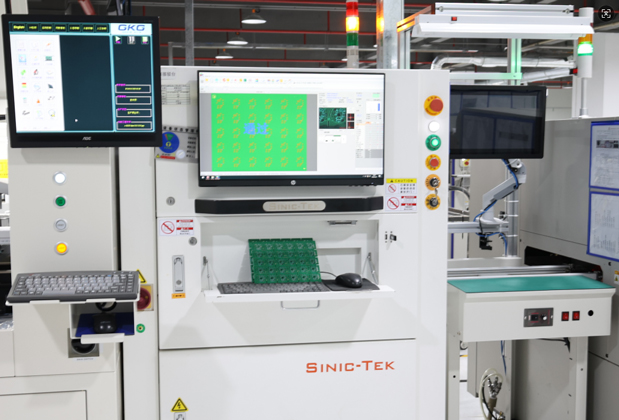
3D SPI Systems
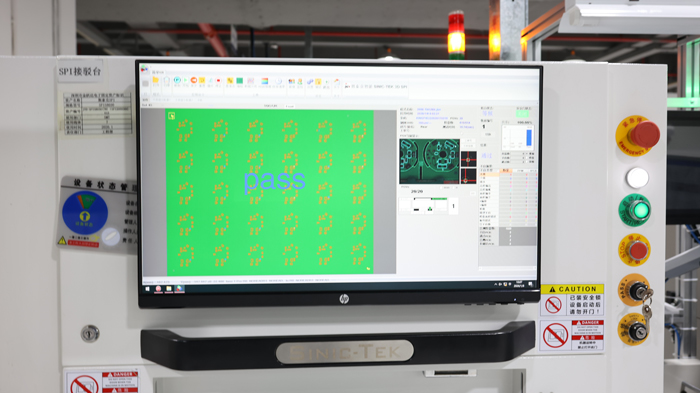
You can achieve higher accuracy in solder paste inspection by using 3D SPI systems. These advanced systems use imaging technology to create detailed maps of solder paste deposits. Unlike 2D systems, which only check for presence, alignment, and gross bridging, 3D SPI measures volume and height. This capability is essential for modern, fine-pitch components. With 3D SPI, you gain:
- Volumetric data for each solder paste deposit
- Early detection of minor deviations
- Comprehensive analysis that helps you correct issues before they impact production
You save time and reduce waste by identifying problems early. This approach supports consistent quality in your smt assembly process.
Key Metrics and Defect Detection
You need to focus on three critical metrics during inspection: height, volume, and area of the solder paste. These metrics determine the reliability of each solder joint. Modern 3D imaging technology can measure these parameters with resolutions as fine as 0.6 microns. You may also use laser or stripe light inspection methods for thorough analysis.
- Height: Ensures enough solder for a strong joint
- Volume: Prevents defects like bridging or insufficient solder
- Area: Confirms proper coverage on each pad
By monitoring these metrics, you can quickly detect and address defects, improving overall product quality.
Choosing the Right SPI Equipment
Selecting the right SPI equipment is vital for high-volume production. You should consider several criteria:
| Criteria | Description |
|---|---|
| Automation Requirements | Match the level of automation to your production needs |
| Brand Reliability | Choose equipment from trusted manufacturers |
| After-Sales Support | Ensure strong support for maintenance and troubleshooting |
| Software Features | Look for advanced features that boost accuracy and efficiency |
| Cost Analysis | Balance cost with the benefits and features offered |
| Pattern Alignment | Guarantee accurate overlap between stencil and substrate |
| Squeegee Pressure | Adjust for even solder paste transfer |
| Printing Speed | Optimize based on solder paste viscosity and pattern density |
You improve process control and reduce defects by investing in reliable SPI equipment. This investment leads to measurable returns, including lower defect rates and reduced rework costs.
Optimizing SMT Assembly with SPI
SPI Workflow Steps
You need a structured workflow to optimize solder paste inspection in SMT assembly. Each step builds on the previous one, ensuring consistent results and minimizing defects. Start by storing solder paste in a clean, dust-free environment. Check the paste for tackiness and slump before use. Prepare your workspace and tools, including stencils and squeegees. Align the stencil precisely over the PCB to avoid misprints. Apply solder paste evenly with a squeegee, controlling angle and pressure. Inspect the solder paste deposit for uniformity and defects such as bridging or insufficient coverage. Clean the stencil regularly to maintain print quality. Place components onto the paste using pick-and-place machines or manual tools. The paste’s tackiness holds them in place. Proceed with reflow soldering, following recommended temperature profiles.
Regular cleaning and precise alignment help you maintain high-quality results throughout the workflow.
You can visualize the workflow with the following table:
| Step/Aspect | Key Details and Recommendations |
|---|---|
| Stencil Design | Area ratio > 0.66 for smooth paste release; special aperture shapes for fine-pitch components. |
| Stencil Thickness | 0.1-0.15 mm; thinner for fine-pitch to avoid excess paste. |
| Printing Machine Settings | Print speed: 30–50 mm/s; squeegee pressure: 1.5–2.5 kgf/cm²; separation speed: 0.1–0.3 mm; clean every ~2 hours. |
| Solder Paste Management | Use paste within shelf life (~6 months); select type per product requirements. |
| Solder Paste Inspection | Use SPI (2D or 3D) to detect defects early, reducing downstream issues and costs. |
| AOI Placement | After printing, before reflow, and after reflow to catch defects early and improve quality control. |
Integrating SPI into your workflow allows you to detect issues such as insufficient solder paste, excess paste, offset, solder bridges, missing paste, and variations in height or volume. Early detection prevents soldering problems like weak joints, bridging, and open circuits. You ensure quality at the printing stage, which leads to reliable final products.
Setting Tolerances and Thresholds
You must set precise tolerances and thresholds for solder paste inspection to maintain consistent quality. Define acceptable ranges for critical parameters such as squeegee pressure, printing speed, release speed, and stencil cleaning cycles. For example, squeegee pressure should range from 30 to 80N/cm², verified once per hour. Printing speed should be between 20 and 80mm/s, checked at startup. Release speed needs verification per batch, ranging from 0.1 to 2mm/s. Monitor stencil cleaning cycles in real time, aiming for 5-10 times dry wipe and 50-100 times wet wipe.
Setting clear thresholds helps you catch deviations early and adjust processes before defects occur.
You can use the following table to track recommended parameters:
| Parameter Item | Recommended Range | Inspection Frequency |
|---|---|---|
| Squeegee Pressure | 30-80N/cm² | Once per hour |
| Printing Speed | 20-80mm/s | Verified at startup |
| Release Speed | 0.1-2mm/s | Verified per batch |
| Stencil Cleaning Cycle | 5-10 times/dry wipe | Real-time monitoring |
| 50-100 times/wet wipe |
You should also set thresholds for solder paste deposit volume, height, and area. 3D SPI systems allow you to achieve precision control, such as ±25μm, which reduces defect rates significantly. Adjust these thresholds based on product requirements and feedback from inspection data.
Using SPI Data for Process Control
You can leverage SPI data to drive process control and achieve rapid production cycles. SPI systems provide real-time feedback on solder paste deposit characteristics, including volume, height, and area. Use this data to identify minor deviations and correct them immediately. For example, if SPI detects excess paste or bridging, you can adjust printing parameters or stencil design. This proactive approach reduces waste and improves efficiency.
SPI data empowers you to make informed decisions, ensuring consistent quality and minimizing downtime.
KING FIELD integrates SPI data into every stage of SMT assembly. You benefit from advanced process control strategies that support rapid production without sacrificing quality. Automated feedback loops allow you to optimize printing parameters, maintain stencil cleanliness, and adjust tolerances as needed. This integration leads to measurable improvements, such as a 67% reduction in printing defect rates and enhanced reliability in the final product.
By using SPI data for process control, you maintain a high-quality spi process and deliver superior results in SMT assembly. You ensure that every solder paste deposit meets strict standards, supporting the performance and reliability of your electronic products.
SPI Data for Continuous Improvement
Real-Time Feedback
You can use SPI data to make immediate improvements during production. Real-time feedback lets you spot trends and issues as they happen. When you see a sudden change in solder paste volume or height, you can pause the line and investigate. This quick response helps you prevent defects from spreading through the batch. Many advanced SPI systems display alerts or visual cues when measurements fall outside set limits. You can act fast to adjust printer settings or clean the stencil. This approach keeps your process stable and supports high-quality results.
Tip: Set up automated notifications on your SPI system. These alerts help you react quickly to any abnormal readings and maintain consistent inspection standards.
You also gain the ability to track each board’s inspection data. This traceability helps you identify patterns and root causes of recurring issues. You can share this information with your team to drive better decision-making.
Long-Term Process Optimization
You can use SPI data not only for immediate fixes but also for long-term process improvement. By collecting and analyzing historical inspection data, you can spot trends that affect quality over time. For example, you might notice that certain stencils wear out faster or that specific solder pastes perform better under certain conditions.
Consider these steps for ongoing optimization:
- Review monthly SPI reports to find recurring defects.
- Compare inspection results across different product lines.
- Adjust process parameters based on data trends.
- Schedule preventive maintenance for equipment showing early signs of drift.
A simple table can help you organize your findings:
| Data Trend | Action Plan | Expected Benefit |
|---|---|---|
| Increased defects | Review stencil condition | Fewer reprints |
| Volume variation | Adjust printer settings | Improved consistency |
| Frequent alerts | Train operators | Higher quality |
By using SPI data for both real-time feedback and long-term analysis, you build a culture of continuous improvement. This strategy ensures your SMT assembly process delivers reliable, high-quality products every time.
Troubleshooting and Best Practices
Addressing False Results
You may encounter false results during solder paste inspection, which can disrupt your quality assessment process. These errors often stem from common issues in solder paste management and equipment setup. To minimize false readings and maintain high quality, watch for these frequent causes:
- Insufficient solder: Undersized stencil apertures, worn stencils, incorrect squeegee pressure, or degraded paste can lead to weak joints.
- Solder paste slump: Low viscosity, too much paste, delayed reflow, or poor stencil contact may cause solder bridging or insufficient solder.
- Misalignment: Inaccurate stencil alignment, PCB movement, uneven board flatness, or improper reflow profiles can result in open circuits or weak joints.
- Stencil clogging: Inadequate cleaning, low-quality paste, small apertures, or poor storage can cause incomplete deposits and open circuits.
Tip: Regularly review your inspection data to spot trends and address root causes before they impact production.
You can also refer to industry standards like IPC J-STD-005A for solder paste quality and IPC-7525B for stencil design to further reduce false results.
Calibration and Maintenance
Consistent calibration and maintenance keep your inspection equipment reliable and accurate. Follow these best practices to ensure optimal performance:
- Clean stencils and squeegee blades daily. Use automated cleaning systems every 5-10 prints or a dedicated cleaner for manual cleaning.
- Perform daily alignment checks using vision systems or fiducial marks. Even a small misalignment can cause solder bridging.
- Adjust squeegee pressure and printing speed based on paste viscosity and stencil thickness.
- Schedule professional calibration every six months to optimize both mechanical and software settings.
- Maintain a detailed log of all maintenance tasks to track machine condition and spot potential issues early.
| Maintenance Task | Frequency | Benefit |
|---|---|---|
| Clean stencil/blade | Daily | Prevents buildup, ensures quality |
| Inspect alignment | Daily | Reduces false results |
| Lubricate moving parts | Monthly | Extends equipment lifespan |
| Professional calibration | Semi-annually | Maintains inspection accuracy |
By following these steps, you strengthen your solder paste management, reduce the risk of solder bridging, and support a robust quality assessment process.
You can achieve high-quality SMT assembly by focusing on key factors such as squeegee pressure, environmental control, and regular stencil maintenance. The table below highlights essential steps for optimizing solder paste inspection:
| Key Factor | Description |
|---|---|
| Squeegee Pressure | Ensures complete paste transfer and reduces wear. |
| Environmental Control | Maintains stable conditions for consistent print quality. |
| Process Control | Systematic monitoring improves reliability and reduces defects. |
KING FIELD’s advanced inspection systems and strict process control help you deliver reliable products for demanding industries. Trust KING FIELD to support your continuous improvement and quality goals.
FAQ
What is the main purpose of solder paste inspection in SMT assembly?
You use solder paste inspection to verify each paste deposit. This process helps you detect defects early. You improve reliability and reduce rework. You ensure that surface mount technology delivers consistent results.
How often should you check paste deposit during production?
You should inspect paste deposit after every print cycle. Frequent checks help you catch issues quickly. You maintain high quality and prevent defects from spreading through your SMT assembly line.
What parameters do you monitor for paste deposit quality?
You monitor volume, height, and area for each paste deposit. These parameters help you identify problems like insufficient coverage or excess material. You adjust your process based on inspection data.
Can SPI systems detect all types of paste deposit defects?
You rely on SPI systems to detect most paste deposit defects. These systems identify issues such as bridging, missing paste deposit, and uneven coverage. You still need manual checks for rare or complex defects.
How does paste deposit affect final product reliability?
Paste deposit quality directly impacts solder joint strength. You ensure proper paste deposit to avoid weak connections, shorts, or open circuits. Consistent paste deposit leads to reliable electronic products.