 English
 Arabic
 Chinese (Simplified)
 Dutch
Dutch French
 German
 Italian
 Portuguese
 Russian
 Spanish

Choosing the right circuit board manufacturer is very important. It can help your business succeed or fail. You need reliable pcb production. Almost 80% of electronics problems come from bad parts. Many issues are caused by low-quality circuit boards. If you choose a trusted pcb partner, you get fewer problems. Your products work better and arrive faster. This helps you save money. Your customers are happier. You can also beat your competition.
Key Takeaways
- Make sure you know what your project needs. Write down things like size, layers, and materials. This helps your circuit boards fit your needs.
- Pick a manufacturer with a good reputation. Check if they have lots of experience. Read customer reviews. Look for industry certifications. This helps you get good quality and trust.
- Know your budget and how many boards you need. Tell the manufacturer exactly what you want. This stops surprises and keeps costs low.
- Look at how the manufacturer checks quality. Make sure they test and inspect their boards well. This helps find mistakes early.
- Ask how fast they can finish your order. Fast service helps you launch products sooner. It also helps you find problems early. This saves you time and money.
Define Your PCB Project Needs
Set Specifications and Quality Standards
You want your circuit boards to work perfectly every time. Start by listing your project’s needs. Think about the size of the board, how many layers you need, and what materials fit your design. Some boards use FR-4, while others need special materials like Rogers. You also need to decide on thickness, copper weight, and the type of surface finish. Do you want a green solder mask or something different? Maybe your project needs high-speed signals or flexible materials. Here’s a quick checklist to help you get started:
- Board size
- Number of layers
- Material type (FR-4, Rogers, etc.)
- Thickness
- Copper weight
- Surface finish (HASL, ENIG, etc.)
- Solder mask color
- Special design needs (RF, HDI, flexible PCB)
You should also look for industry certifications. These show that a pcb supplier follows strict rules for quality. The best pcb manufacturer will meet standards like IPC-6010, IPC-2221, and IPC/EIAJ-STD-006A. Take a look at this table for common standards:
| Standard | Description |
|---|---|
| IPC-6010 | Printed circuit board quality standards and performance specs. |
| IPC/EIAJ-STD-006A | Requirements for electronic grade solder alloys and fluxes. |
| IPC-2221 | Generic standard for printed circuit boards. |
When you choose high-quality pcbs, you get better results. IPC standards help you avoid defects and make sure your boards last longer. These rules guide every step, from design to testing, so your products stay reliable.
Determine Production Volume and Budget
Next, figure out how many boards you need and how much you can spend. Your project might be small, medium, or large. Here’s a table to help you see where you fit:
| Scale | Production Volume Range |
|---|---|
| Small-scale | 1 – 1,000 units |
| Medium-scale | 1,000 – 10,000 units |
| Large-scale | Over 10,000 units |
Your budget shapes your choices. Small boards can cost more because they waste material and need special tools. Tiny pcbs are harder to handle, which means higher labor costs. You might need custom machines or extra testing, which adds to the price. If you plan ahead, you can pick a pcb supplier who matches your needs and keeps costs under control.
Tip: Always share your exact specs and budget with your manufacturer. This helps them give you the right solution and keeps surprises away.
Evaluate Circuit Board Manufacturer Experience
Review Track Record and Reputation
You want to pick a circuit board manufacturer you can trust. Experience is very important in this business. If a company has been around for a long time, they have solved many problems. They know how to avoid mistakes and do good work. You should always check what people think about them before you choose.
Start by reading what other customers say. Look at reviews and testimonials. Ask for references and talk to old customers if you can. This helps you see if the company keeps its promises. You can also ask to look at their past projects. A good track record means they have done many pcb jobs and finish work on time.
Here are some ways to check if a manufacturer does a good job and makes customers happy:
| Method | Description |
|---|---|
| Rigorous Testing | Makes sure every pcb is tested well before it leaves the factory. |
| Inspection Processes | Checks the boards at different steps to catch problems early. |
| Compliance with Standards | Shows the company follows important rules and builds trust. |
You should also look at key performance numbers. One important number is First Pass Yield (FPY). This tells you how many boards pass all tests the first time. A high FPY means the company does a good job and does not waste time fixing mistakes.
| KPI | Description |
|---|---|
| First Pass Yield (FPY) | Shows the percentage of boards that pass all checks on the first try. High FPY means better quality and faster delivery. |
Tip: Quality control is not just about finding mistakes. It helps make sure your pcb works well and lasts a long time. Good testing and checking at every step keeps your products working.
Even in pcb manufacturing, companies can find new ways to get better. The best pcb manufacturer always tries to improve and give great results.
Assess PCB Design and Assembly Expertise
You want a partner who can handle your project, no matter how simple or hard. Some projects need special skills, like making multilayer or flexible pcbs. Others need custom work for small orders. The best pcb manufacturer will have the right tools, technology, and people for the job.
Check if the company has worked with many types of pcb designs. Ask how many custom projects they have finished. A team with over 1,000 custom pcb projects shows they know what to do. Look for designers with certifications, like IPC, and lots of experience. These experts use advanced tools to make sure your boards work right.
Here are some important things to look for:
| Capability/Certification | Description |
|---|---|
| Technology and Expertise | Can make multilayer and flexible pcbs for tough projects. |
| Industry Certifications | Follows standards like ISO 9001, ISO 14001, and IPC for quality. |
| Customization and Flexibility | Offers special services for unique needs and small orders. |
| Cost vs. Quality | Balances price and quality to avoid costly mistakes and delays. |
You should also ask how the company does design and assembly. Good manufacturers work closely with you. They talk with your engineers and designers. They help you set goals and pick the best parts. They also test early boards and make changes if needed. This teamwork helps find problems early and saves you time and money.
- Think about what your project needs, like temperature, voltage, and signal strength.
- Work with the manufacturer’s team to match your design with their process.
- Test early and often to make sure everything works before making lots of boards.
- Pick a manufacturer with strong supply chain partners. This helps you get good parts on time.
When you choose a circuit board manufacturer with a good reputation and lots of skill, you get better results. Your pcb will do what you need, work well, and help your business grow.
Check Certifications and Quality Assurance
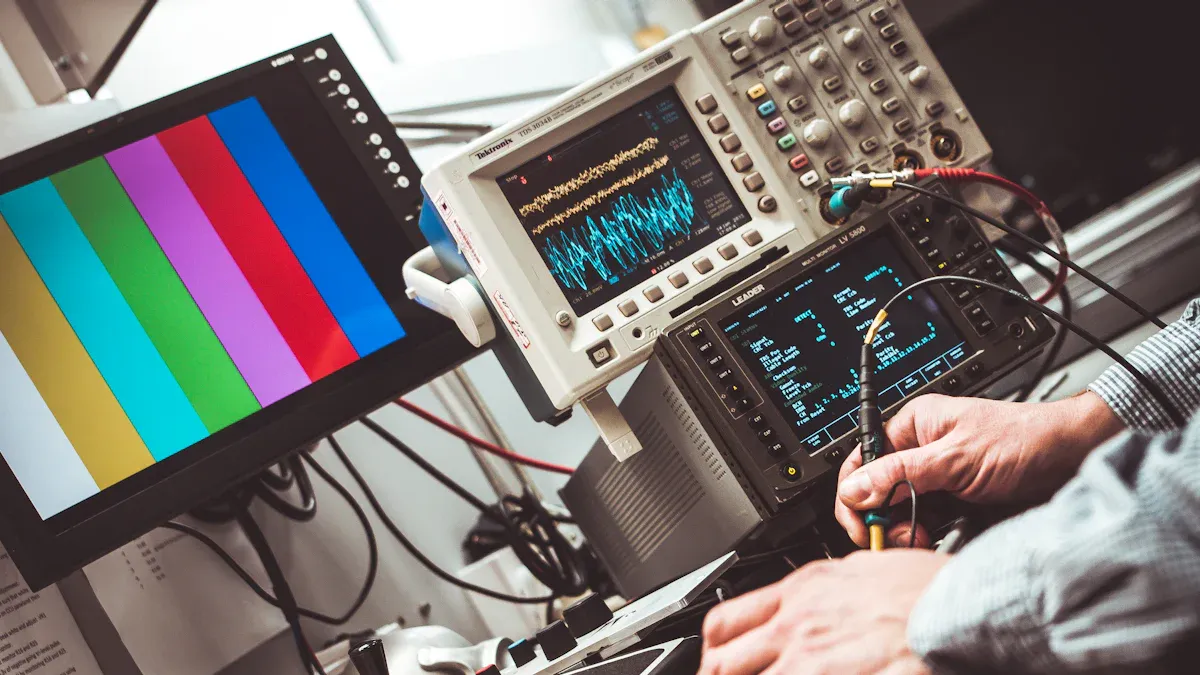
Best PCB Manufacturer: Industry Certifications
You want your circuit board maker to follow important rules. These rules help you get boards that are safe and work well. Certifications show the company cares about doing a good job. When you see these labels, you know they meet high standards.
Here’s a table to help you know what each certification means:
| Certification | Significance |
|---|---|
| ITAR | Keeps defense projects safe and legal. |
| ISO | Proves the company follows strong quality rules. |
| RoHS | Makes sure no dangerous chemicals are used. |
| UL Listing | Shows the boards are safe to use. |
| IPC | Sets the bar for how good a pcb should be. |
| MIL | Meets tough rules for military electronics. |
Certifications do more than look nice on paper. They help you trust your supplier. Labels like ISO, IPC, and UL mean your boards work well and stay safe. For example, ISO 9001 helps companies make products the same way every time. UL checks that your pcb will not cause fires or other problems.
Quality Control Practices
You want your pcb maker to use strong quality control steps. These steps catch mistakes before you get your boards. Good companies use many tests to check every pcb. Here are some common tests:
| Quality Control Test | Description |
|---|---|
| Visual tests | Workers look for problems with their eyes. |
| Microscope tests | Tiny parts get checked with special tools. |
| In-circuit tests | Machines check if the board works right. |
| X-ray inspections | Experts look inside the board without breaking it. |
| Saw inspections | Sometimes, they cut boards to see how they are made. |
| Automated optical inspections (AOIs) | Computers compare boards to perfect pictures. |
| Functional testing | The board gets a full test to see if it works. |
| Camera inspections | High-quality photos help spot small mistakes. |
Quality control problems can happen at any step. When companies use better checks, they find problems early. This means fewer bad boards. Some companies have lowered their defect rate from 5500 to 900 parts per million. That is a big change! You want a partner who works hard to keep your boards safe and working.
Tip: Always ask your supplier about their quality control steps. Good answers show you can trust them with your project.
Assess Manufacturing Capabilities
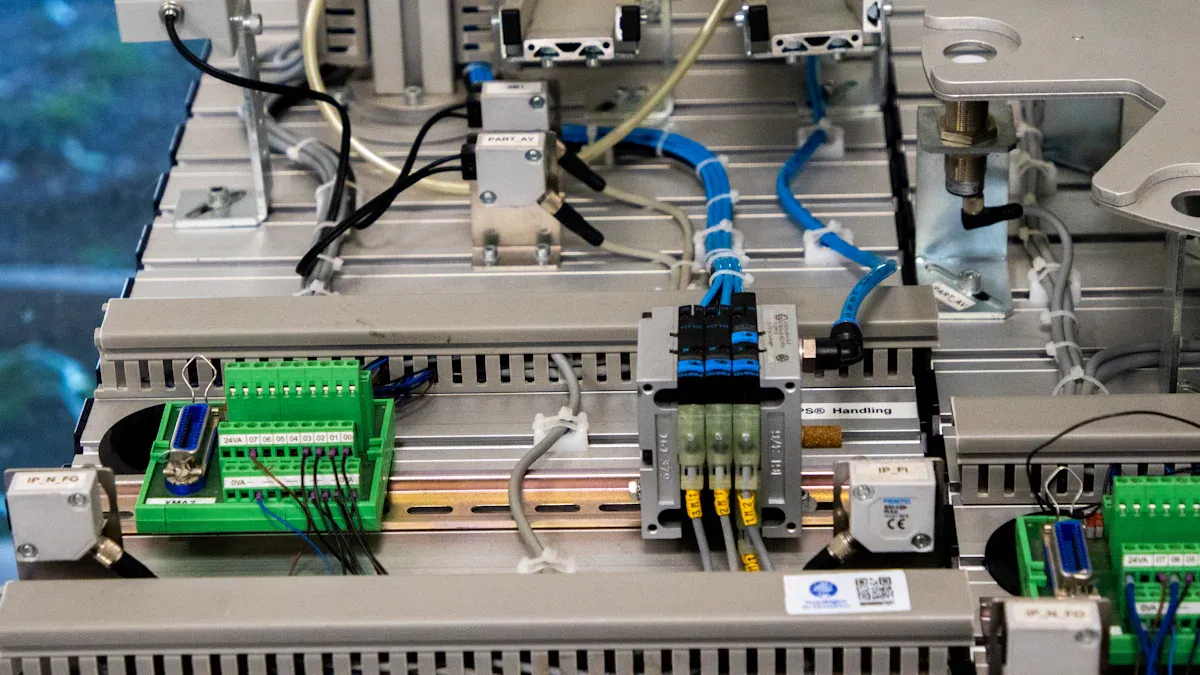
PCB Supplier: Fabrication and Assembly Limits
When you look for a circuit board manufacturer, you want to know what they can build. Not every pcb supplier can handle every project. Some can make simple boards, while others work with advanced designs. The number of layers in a pcb matters a lot. More layers give you more features, but they can make the board smaller because of heat and manufacturing limits. If you need high-quality pcbs with many layers, you should ask about their technology.
Here’s a quick look at typical limits:
| PCB Type | Max Panel Size | Notes |
|---|---|---|
| 2-layer board | 22.5″ x 54″ | Good for basic designs |
| 4-layer board | 21.5″ x 53″ | Handles more complex circuits |
| Boards > 20″ | Extra cost | Large boards cost more |
| Assembly > 14″ | Extra cost | Long boards need special handling |
Some pcbs have over 30 layers. These boards help you fit more parts and wires in a small space. If your project needs dense routing or special features, you want a pcb supplier with advanced tools. They should support intricate designs and offer high accuracy. You also want them to use new production methods like HDI technology.
- Can they build boards with many layers?
- Do they support large or odd-shaped boards?
- Will they help with complex assembly?
A good manufacturer supports rapid prototyping and high-volume production. They work with you to meet your exact needs and deliver high-quality products.
Quick-Turn PCB Manufacturer: Turnaround Time
You might need your pcb fast. Quick-turn pcb manufacturer services help you get working boards quickly. Sometimes you get a finished pcb in just 24 hours. Standard production can take two to eight weeks. That’s a big difference! Fast turnaround time helps you test ideas and fix problems early.
Why does speed matter? You save money and launch products faster. You can start projects without spending a lot up front. If you need to change your design, you do it quickly. Smaller batches let you check quality and catch mistakes before making lots of boards.
Here’s how quick-turn services help you:
- Faster design changes let you test and improve your pcb.
- You launch products sooner and reach customers first.
- Early defect detection saves time and money.
For example, a medical device company used quick-turn prototypes and launched a new machine 40% faster. An aerospace team got a 99.8% first-pass yield and shipped their product six weeks early. Quick-turn pcb manufacturer services give you control and flexibility. You get high-quality pcbs and meet tight deadlines.
Tip: Always ask about turnaround time before you order. Fast service can make a big difference for your project.
Compare Pricing and Customer Support
Transparent Cost Structure
You want to know what you pay for when you buy pcb boards. Clear prices help you plan and stop surprises. Some circuit board manufacturers show all costs right away. Others hide fees in small print. You should always ask for a full quote.
Here is a table that shows what can change the price of your pcb:
| Factor | Description |
|---|---|
| Complexity | More layers and special designs cost more. |
| Lead Time | Faster turnaround time means higher prices. |
| Quantity | Bigger orders lower the price per board. |
| Location of Production | Where the pcb is made can change the cost. |
| Surface Finish | Different finishes have different prices and effects. |
| Quality and Reliability | Certifications and a good reputation mean better boards. |
| Manufacturing Capabilities | Special machines and skills may add to the price. |
| Communication | Good updates help you avoid delays and extra costs. |
| Post-sales Services | Testing and assembly can change the final price. |
You should watch out for hidden fees. Sometimes, you pay more for design changes, special materials, or fast shipping. These extra costs can make your project cost more. Always ask your pcb supplier about every possible charge before you agree.
Tip: Ask for a full list of costs. This helps you find hidden fees and keeps your budget safe.
Communication and Service Reliability
Good communication helps your project go well. You want a pcb supplier who answers questions fast and helps solve problems. If you use a quick-turn pcb manufacturer, fast replies matter even more. You need updates about your order and help with any issues.
For example, some teams work with you and give feedback right away. They help you fix problems and finish your project faster.
Here are ways to check customer support before you pick a circuit board manufacturer:
- Send an email or call their support team. See how fast they answer.
- Ask about their troubleshooting steps. Do they fix problems quickly?
- Check their warranty and repair rules. How long does it take to get help?
- Look for training and support guides.
- Read reviews to see if other customers are happy.
Top pcb suppliers care about quality and good customer service. They test boards well and deliver on time. This builds trust and makes you want to work with them again. When you choose a manufacturer with a good name, you get reliable boards and great service.
Tip: Try asking a simple question before you order. Fast and clear answers show you can trust their support.
Choosing the right circuit board manufacturer helps your business do well. You can use a checklist to help you remember what to do:
- Look at how long the company has been open and what certifications they have.
- See what old customers say and check their past work.
- Find out what machines they use and how they check for mistakes.
- Ask how fast they can finish your order and if they help after you buy.
- Make sure you understand all the prices and that they are fair.
Do you want your business to grow? Start looking for a good partner now. Pick someone who helps you make new things and do better.
FAQ
What should you look for in a circuit board manufacturer?
You want a company with strong experience, good reviews, and the right certifications. Check if they offer clear pricing and fast support. Ask about their quality control steps.
How do you know if a PCB supplier is reliable?
Ask for references and read customer reviews. Reliable suppliers answer questions quickly and share details about their process. You can also request sample boards to check their quality.
Can you get custom PCBs for small orders?
Yes! Many manufacturers offer small-batch or prototype services. You can order just a few boards to test your design before making a big order.
How fast can you get your circuit boards?
Some companies offer quick-turn services. You might get your boards in 24 to 72 hours. Standard orders usually take one to three weeks, depending on your project.