 English
 Arabic
 Chinese (Simplified)
 Dutch
Dutch French
 German
 Italian
 Portuguese
 Russian
 Spanish
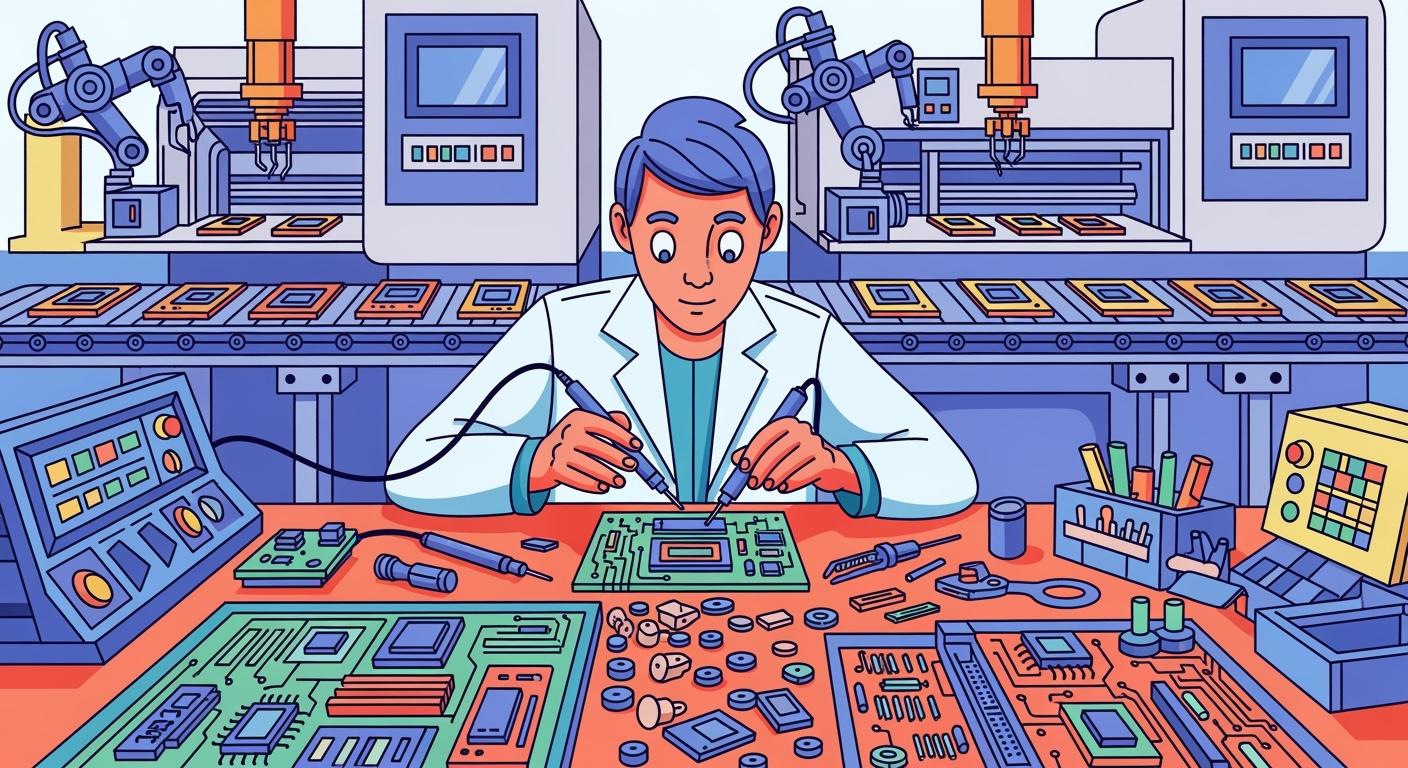
You can dramatically improve your pcb circuit board manufacturing SMT assembly by using first article inspection. When you verify design correctness before mass production, you spot issues early and avoid expensive rework. Early checks help you save time and money. Solder paste problems cause up to 75% of SMT assembly defects, and costs can rise from $0.40 to $45 if you miss defects. By catching errors early, you deliver better products and keep your customers satisfied.
First Article Inspection in PCB Circuit Board Manufacturing SMT Assembly
What Is First Article Inspection?
First article inspection is a process you use to check the very first completed circuit board from your production line. In pcb circuit board manufacturing smt assembly, you build this first article using your standard SMT lines. You then inspect it closely against the bill of materials and design files. The main goal of first article inspection is to make sure your SMT pick-and-place machines work correctly and place every component in the right spot. This inspection helps you find quality issues early, so you can prevent batch defects before they happen. First article inspection is a complete and independent review of your design and manufacturing results. You need this step to keep your products consistent and reliable, especially in industries like aerospace, medical, and automotive electronics.
Role in SMT Assembly
First article inspection plays a key role in pcb circuit board manufacturing smt assembly. You use it to validate your initial production samples against all specifications. This process helps you catch defects early in the SMT assembly process. It ensures your products match the design intent and meet quality standards. As electronic assemblies become more complex, you need robust inspection and testing procedures. First article inspection helps you keep up with increasing regulatory requirements and maintain quality certifications. You also use it to verify that all documented requirements are met and to establish the manufacturing plan of record for ongoing production.
Tip: First article inspection helps you spot common errors such as:
- Missing information or misalignment in design files
- Errors in the bill of materials
- Incorrect placement of components
- Lack of sufficient clearance
- Inadequate heat management
- Poor coverage of PCB testing
Importance for Quality Control
You cannot skip first article inspection if you want strong quality control in pcb circuit board manufacturing smt assembly. This process acts as a gatekeeper for your product quality. It helps you detect factors that impact quality early in production. You can prevent the production of defective batches or scrap, which saves you money and time. First article inspection also helps you control costs and improve customer satisfaction. It allows you to monitor and approve dimensional studies, detect tooling inaccuracies, and identify machine setup errors. By clarifying misinterpretations of design specifications, you ensure high-quality standards and keep your customers happy.
| Objective | Description |
|---|---|
| Ensuring product quality | First article inspection acts as a guard against defects, ensuring the quality of the final product. |
| Verifying process parameters | It checks process parameters to ensure adherence to industry standards. |
| Preventing defects early | First article inspection identifies issues before mass production, reducing the risk of producing defective batches. |
First Article Inspection Process

Workflow Steps
You start first article inspection by placing components on the printed circuit board. An in-line production engineer performs the inspection right after assembly. The engineer checks the accuracy of component placement and confirms that the assembly matches your specifications. Next, the board moves to the reflow oven for soldering. This step acts as a health check for component placement, soldering, and alignment. You catch errors early and prevent problems before mass production begins.
| Step | Description |
|---|---|
| 1 | Components are placed on the PCB. |
| 2 | In-line production engineer performs first article inspection (FAI). |
| 3 | FAI verifies accuracy of component placement and ensures assembly meets specifications. |
| 4 | PCB moves to reflow oven for soldering. |
Note: First article inspection helps you spot issues with solder paste inspection and component alignment before they affect the entire batch.
Inspection Methods
You use several methods during first article inspection to ensure quality assurance. Dimensional measurements let you check lengths, diameters, and angles against engineering drawings. Material testing helps you confirm the composition and hardness of the printed circuit board. Functional tests simulate real-world conditions to verify performance. Visual examinations allow you to find surface defects and misaligned assemblies.
| Inspection Method | Purpose |
|---|---|
| Dimensional Measurements | Assess features like lengths, diameters, and angles against engineering drawings. |
| Material Testing | Evaluate composition, hardness, and other properties to ensure compliance with specifications. |
| Functional Tests | Simulate operational conditions to confirm performance, such as load-bearing capacity. |
| Visual Examinations | Scrutinize surface finishes, welds, and assembly alignments for defects. |
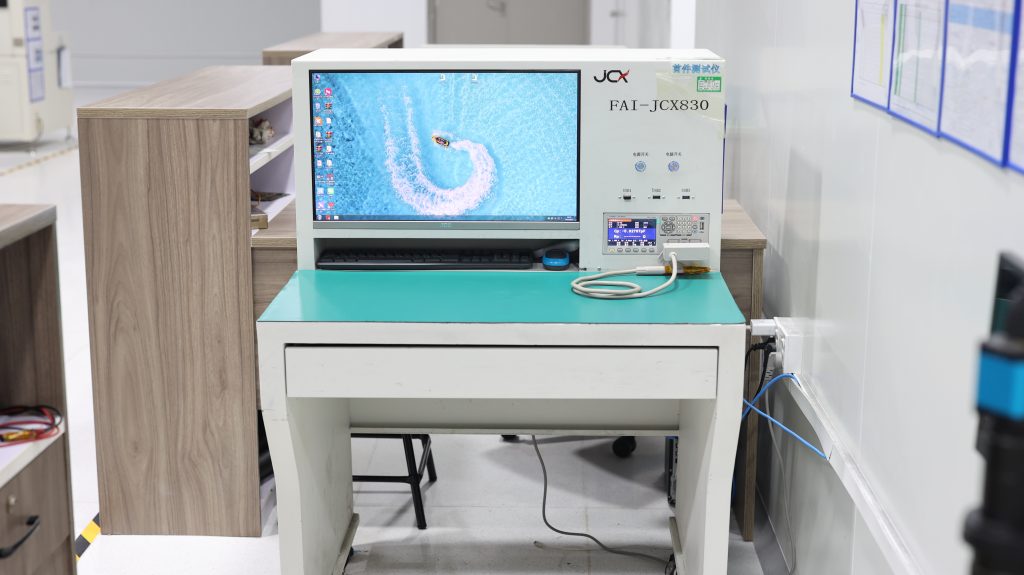
You can also use statistical process control for sampling and ballooned digital drawings for traceability. Multi-stage reviews by cross-functional teams help you evaluate inspection data. Automated inspection systems improve accuracy and speed. They reduce human error and cut inspection time from over an hour to just minutes.
Documentation
You need strong documentation to support first article inspection in printed circuit board manufacturing. You record measurable attributes like dimensions, voltages, and resistance. You verify that all parts and materials match your specifications. You document any manufacturing errors, such as incorrect component insertion or soldering issues, and note corrections. Clear records help you identify discrepancies and maintain traceability.
| Documentation Type | Description |
|---|---|
| Dimensions | Information about the PCB’s dimensions and material thickness. |
| Electrical Characteristics | Details about resistance, capacitance, and inductance of the PCB. |
| Functional Tests | Results of power-on tests, continuity tests, and other electrical tests performed. |
| Manufacturing Process | Information about materials, components, and the manufacturing process used. |
| Inspection Process | Details about inspection equipment, methods used, and results of the inspection. |
| Compliance | Establishes that the product meets relevant regulations, such as IPC standards for PCB. |
- Proper documentation ensures your manufacturing process meets design specifications.
- You identify potential issues early and reduce the risk of defects.
- Documentation provides consistency, traceability, and compliance with quality standards.
Benefits of First Article Inspection
Defect Prevention
You can prevent defects early in the PCB circuit board manufacturing process by using first article inspection. This step acts as your first line of defense against mistakes. When you review the initial board, you catch errors before they spread through the entire production run. First article inspection helps you spot problems with component placement, soldering, or alignment. You can correct these issues right away, which keeps your product quality high.
Tip: Early detection of defects means you avoid costly rework and scrap later. This proactive approach protects your reputation and ensures your customers receive reliable products.
Cost and Time Savings
First article inspection saves you both time and money. When you identify potential issues at the start, you avoid delays and expensive fixes during mass production. You streamline your workflow and keep your assembly line moving smoothly.
- Early identification of potential issues allows for corrective actions before mass production begins.
- This proactive approach prevents defects that could cause delays, thus streamlining the overall production process.
- Understanding customer requirements during the first article inspection ensures that the manufacturing process aligns with expectations, reducing the likelihood of rework.
You reduce waste and lower your production costs. By minimizing rework and scrap, you keep your resources focused on building high-quality boards. This efficiency helps you deliver orders on time and meet tight deadlines.
| Benefit | How FAI Helps You Achieve It |
|---|---|
| Lower production costs | Fewer defects mean less waste and rework |
| Faster turnaround | Early fixes prevent delays in manufacturing |
| Efficient workflow | Streamlined process keeps lines running |
Customer Satisfaction
You build trust with your customers when you use first article inspection. This process shows your commitment to delivering high-quality electronic products. Customers want to know that you care about product quality and that you take steps to meet their expectations.
- FAI is integral to producing high-quality electronic products.
- Understanding the assembly process and FAI’s importance helps manufacturers meet customer expectations.
- First article inspection acts as a primary safeguard against defects in production.
- It allows for early detection of defects, which prevents larger issues later in the manufacturing process.
- By verifying process parameters, FAI ensures compliance with industry standards, thereby enhancing customer trust.
- The commitment to a robust FAI process reflects a manufacturer’s dedication to quality.
- Ensuring products meet required specifications directly correlates with improved customer satisfaction.
When you deliver boards that meet all requirements, you increase customer loyalty. Satisfied customers return for future orders and recommend your services to others.
Compliance
You must meet strict industry standards in PCB circuit board manufacturing. First article inspection helps you validate that your boards match design specifications and regulatory requirements. This process is essential for industries like aerospace, automotive, and medical devices, where safety and reliability matter most.
- First article inspection is essential for validating manufactured parts against design specifications in PCB manufacturing.
- It helps identify defects early, validates manufacturing processes, and ensures compliance with standards.
- AS9100 is a standard that includes increased audits and quality requirements specifically for the aerospace industry, ensuring compliance and safety.
By following these standards, you avoid legal issues and maintain your certifications. You also reduce the risk of rework and scrap by catching problems before they become widespread. First article inspection acts as a proactive quality control measure. It addresses changes in the production process that could affect product quality. By identifying issues early, it minimizes production delays and enhances product quality.
Note: First article inspection is not just about checking boxes. It is about building a culture of quality and responsibility in your manufacturing process.
Challenges and Solutions
Implementation Issues
You may face several challenges when you start using first article inspection in your PCB circuit board manufacturing process. Many manufacturers struggle with excessive paperwork. You need to track and organize a lot of documentation, which can feel overwhelming. Lack of standardization also creates confusion because different industries follow different FAI standards. The process can be time-consuming, especially when you inspect complex boards. Manual measurements often lead to human errors and inconsistent results. Supplier issues, such as receiving non-conforming parts, can cause FAI failures and increase costs.
| Challenge | Description |
|---|---|
| Excessive Paperwork | Involves a lot of documentation, making it overwhelming to track and organize. |
| Lack of Standardization | Different industries may follow different FAI standards, leading to confusion. |
| Time-Consuming Process | Inspecting complex parts can be slow, risking missed errors and production delays. |
| Human Errors & Inconsistent Inspections | Reliance on manual measurements can lead to variability and inconsistent results. |
| Supplier Issues & Non-Conforming Parts | Receiving incorrect parts can lead to FAI failures and additional costs. |
Note: FAI helps you uncover manufacturing problems and catch errors before they become costly to fix. This process lowers return rates and reduces costs from rework. You also improve customer satisfaction and increase profitability.
Best Practices
You can overcome these challenges by following proven best practices. Use advanced testing techniques like flying probe for rapid and flexible testing, especially for prototypes. Automated optical inspection (AOI) uses cameras and software to detect inconsistencies and defects in your boards. Burn-in testing evaluates performance under stress and finds early errors.
| Testing Technique | Description | Application |
|---|---|---|
| Flying Probe | Rapid and efficient testing adaptable to different boards | Ideal for prototypes and small production |
| Automated Optical Inspection (AOI) | Visual inspection using cameras and software | Detects inconsistencies and defects in PCBs |
| Burn-in Testing | Intensive testing for load capacity and early error detection | Evaluates performance under stress conditions |
You should control quality at multiple stages and use systematic PCB quality control. Apply IPC-A-600 to inspect bare boards and IPC-A-610 after mounting components. These standards help you assess physical characteristics and solder joints.
- Control quality at multiple stages.
- Use systematic PCB quality control.
- Apply IPC-A-600 and IPC-A-610 standards.
- Improve overall PCB quality and reduce defect rates.
Continuous improvement also boosts your FAI process. You can implement Lean and Six Sigma methods, encourage employee suggestions, and conduct regular audits. Benchmark your process against industry best practices and invest in ongoing training. Recognize and reward quality improvement efforts.
- Implement Lean and Six Sigma methodologies.
- Encourage employee suggestions for improvement.
- Conduct regular process audits and reviews.
- Benchmark against industry best practices.
- Invest in ongoing training and skill development.
- Recognize and reward quality improvement efforts.
By following these solutions, you make your FAI process more efficient and reliable. You reduce errors, save time, and deliver better products to your customers.