 English
 Arabic
 Chinese (Simplified)
 Dutch
Dutch French
 German
 Italian
 Portuguese
 Russian
 Spanish
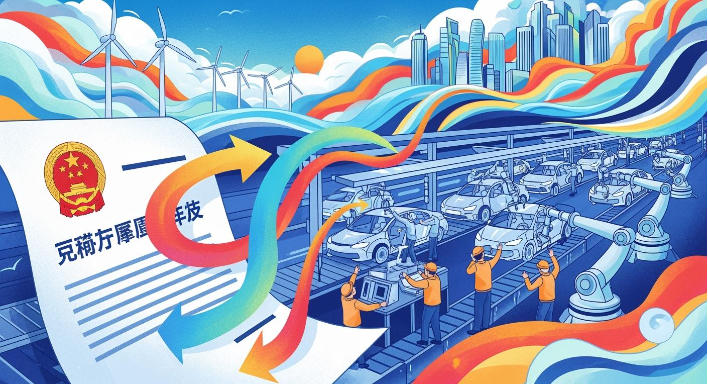
Local government rules and plans are crucial in supporting New Energy Automobile Assembly growth worldwide. The United States and China demonstrate how targeted incentives, infrastructure funding, regulations, and workforce training can significantly boost New Energy Automobile Assembly.
- From 2009 to 2023, the Chinese government invested over $230 billion to promote New Energy Automobile Assembly and related battery industries. Support included exemptions from sales tax and direct subsidies to buyers.
- The EU reports that China’s government also provides special loans and tax breaks to encourage New Energy Automobile Assembly.
| Incentive Type | Description |
|---|---|
| Job Creation Tax Credits | States like Georgia and South Carolina offer tax credits for new jobs created in New Energy Automobile Assembly. |
| Utility/Energy Incentives | Electric utilities provide discounted power rates for New Energy Automobile Assembly projects for several years. |
Many regions enact specific laws to attract and support New Energy Automobile Assembly projects. They also focus on workforce development to ensure there are skilled workers ready for jobs in New Energy Automobile Assembly.
Key Takeaways
- Local governments help New Energy Automobile Assembly by giving tax breaks and subsidies. This makes electric vehicles cost less for people to buy.
- Money spent on infrastructure and supply chains is important for New Energy Automobile Assembly to grow. This helps make and deliver electric vehicles quickly and well.
- Simple rules and quick permits let companies build factories faster. This cuts down on waiting and saves money in the New Energy Automobile Assembly industry.
- Training programs for workers are very important. They help workers get the skills they need. This makes sure the industry has smart people to help it grow and improve.
- Good examples from the U.S. and China show that strong local policies work well. These policies bring in more money and help New Energy Automobile Assembly get better.
Policy Incentives for New Energy Automobile Assembly
Tax Breaks and Subsidies
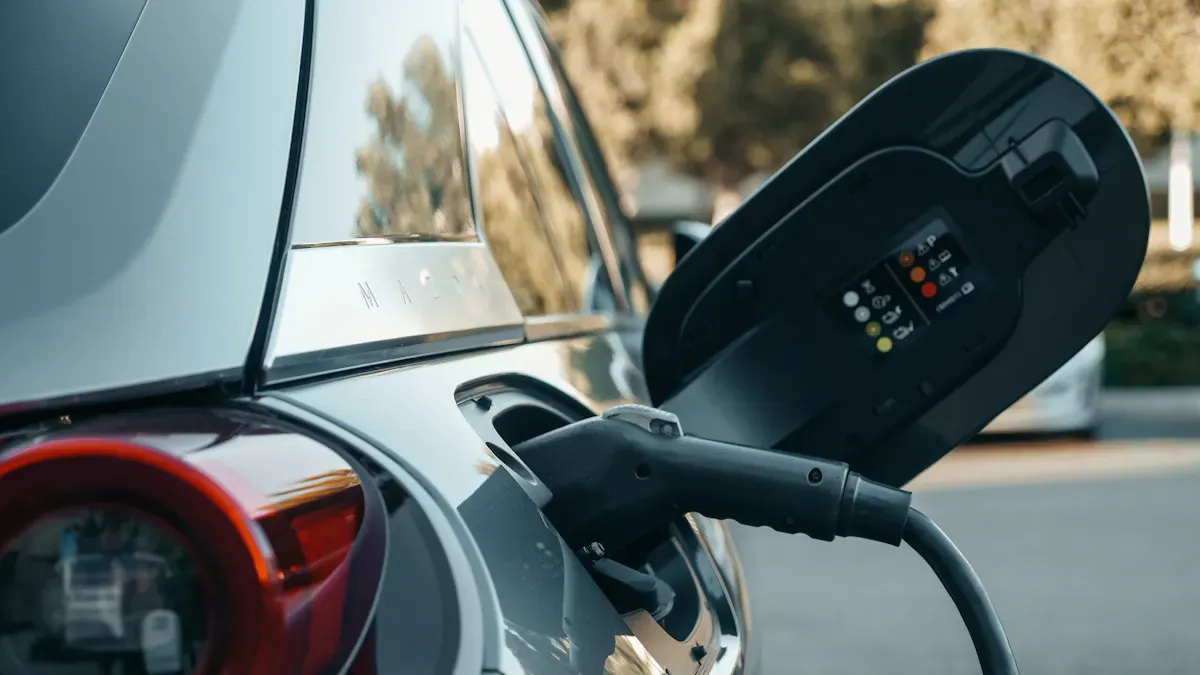
Governments in the U.S. and China use tax breaks and subsidies. These make New Energy Automobile Assembly cheaper for companies and buyers. The incentives help lower the price of making and buying electric vehicles. They also push companies to build new factories and use better technology.
| Country | Type of Incentive | Details |
|---|---|---|
| U.S. | Rebates | More than half of states give rebates for EVs. California gives up to $2,000 to low-income families. |
| U.S. | Tax Exemptions | States like Washington and New Jersey do not charge sales tax on EVs. |
| U.S. | Tax Credits | Louisiana and Maryland give tax credits up to $2,500 and $3,000 per car. |
| China | Purchase Tax Exemption | EVs did not have to pay purchase taxes from 2014 to 2017. This was renewed until 2020. |
| China | Consumer Subsidies | Subsidies were between RMB 4,000 and RMB 60,000. The amount depended on the car type and features. These covered 40-60% of the cost. |
| China | Gradual Reduction | Subsidies went down each year and were planned to end by 2020. |
Financial help and tax breaks have helped New Energy Automobile Assembly grow, especially in China. These supports give companies money for research and new ideas. They also help companies build more factories and hire more workers. Sometimes, big companies do not try as hard to invent new things if they get too many subsidies. But most experts think tax breaks and subsidies help bring new technology and make electric vehicles more popular.
Direct Loans and Grants
Direct loans and grants give companies money to build and grow New Energy Automobile Assembly plants. The U.S. Department of Energy gives loans for making electric vehicles and batteries. Other groups give grants for research, test projects, and even building roads.
| Program Name | Description |
|---|---|
| Loans and Debt Financing | The U.S. Department of Energy’s Loan Program Office gives loans for electric vehicle projects. |
| Export-Import Bank Financing Solutions | This bank gives loans and guarantees for projects in other countries, including environmental exports. |
| U.S. International Development Finance Corporation | This group gives money and insurance for projects, including New Energy Automobile Assembly. |
| Small Business Administration Export Financing Programs | This helps small businesses get loans for energy automobile assembly. |
| U.S. Trade & Development Agency Grants | This agency pays for studies and test projects for new energy technology. |
| U.S. Department of Transportation Grants | This group gives money to improve roads, which can help New Energy Automobile Assembly. |
| USAID Private-Sector Engagement | This group works with private companies to support new energy projects. |
The U.S. Department of Energy said it would loan up to $9.63 billion to BlueOval SK to build electric vehicle battery plants. The government also gave a $2.5 billion loan to Ultium Cells LLC to build factories in Ohio, Tennessee, and Michigan. These loans help companies build plants faster and hire more people. The ATVM loan program has helped many new factories since 2007. The Inflation Reduction Act of 2022 gave even more money for these loans. Now, more companies can get help to grow.
Consumer Incentives
Local governments give incentives to people who buy new energy vehicles. These programs make electric cars and trucks cheaper for families and businesses. Rebates, low-interest loans, and vouchers are common ways to help buyers.
| Incentive Type | Description | Amount |
|---|---|---|
| Rebates | California gives rebates for zero-emission EVs and plug-in hybrids. | Up to $5,000 |
| Financing Assistance | Low-interest loans help lower-income people buy new or used zero-emission vehicles. | N/A |
| Vouchers | The Clean Truck and Bus Voucher Incentive Project gives vouchers for medium and heavy trucks. | N/A |
| Oregon Rebates | Oregon gives rebates for new hybrid or battery electric vehicles. The amount depends on battery size. | $1,500–2,500 |
| Income-qualified Rebates | Extra rebates for people with lower incomes for new and used EVs. | $5,000 |
Government rules, especially subsidies and tax breaks, have helped more people want new energy vehicles. When these incentives go down, companies must find new ways to keep selling cars. They often need to focus more on technology and what buyers want.
Consumer incentives help more people buy electric vehicles. When more people buy these cars, companies need to make more vehicles. This creates more jobs and brings more money to New Energy Automobile Assembly plants.
Infrastructure and Supply Chain Support
Facility Investments
Local governments and national programs spend money on new energy vehicle assembly plants and battery factories. These investments help the industry grow strong. In China, the government started the Strategic Emerging Industries plan in 2010. This plan made new energy vehicles very important for investment. The government also saved lots of money for research and development. For example:
- In 2006, China gave RMB1.16 billion ($184 million) for research in new energy technologies through the National High Tech R&D Program.
- The 13th Five-Year Plan in China saved about RMB 700 million ($111 million) for 20 electric vehicle research projects.
In the United States, local and federal governments help upgrade facilities and build new plants. The table below shows some examples:
| Evidence Description | Impact on New Energy Automobile Assembly Plants |
|---|---|
| $71 million funding for auto communities | Helps improve manufacturing facilities for advanced vehicles and builds local strength. |
| Collaboration with states and industry | Makes sure plans fit local needs and helps electric and hybrid vehicle markets grow. |
| $50 million from Inflation Reduction Act | Gives money to upgrade auto facilities, keep jobs, and help local manufacturing for new energy vehicles. |
These investments help companies build better plants, use new technology, and create more jobs. They also make it easier for new energy vehicles to reach the market.
Logistics Upgrades
Good logistics are very important for New Energy Automobile Assembly. Governments and companies work together to make transportation, inventory, and demand forecasting better. These upgrades help lower costs and make sure vehicles get to customers on time. The table below explains how logistics improvements help the industry:
| Aspect | Contribution to Efficiency and Cost-Effectiveness |
|---|---|
| Transportation Optimization | Cuts fuel use and travel time, so deliveries are faster and customers are happier. |
| Inventory Management | Keeps supply and demand balanced, lowers costs, and stops running out of stock by using better forecasting and stock levels. |
| Demand Forecasting | Matches supply with what people want, so there are fewer shortages and less extra inventory, making logistics work better. |
Better logistics mean companies can deliver cars faster and for less money. This makes new energy vehicles more appealing to buyers and helps the industry grow.
Supply Chain Integration
Supply chain integration connects all parts of making vehicles, from raw materials to finished cars. In China, government policies like subsidies and the dual credit system help companies work together and share resources. The dual credit system, started in 2008, lets manufacturers earn credits for making new energy vehicles. They can sell these credits to companies that make traditional cars. This policy pushes more companies to focus on electric vehicles and helps the industry grow. China also gives tax exemptions and battery recycling programs to make the supply chain stronger.
The United States does things differently. Instead of mostly using subsidies, the U.S. wants companies to use new technology and compete in the market. This focus on innovation helps companies find better ways to make and deliver new energy vehicles.
Supply chain integration makes sustainability, efficiency, and technology use better. Companies that work together can lower costs, meet customer needs, and deliver high-quality vehicles on time. As the industry grows, supply chain integration becomes even more important for staying competitive.
Tip: Strong supply chains help companies react quickly to changes in the market and keep up with new technology.
Regulatory Facilitation
Streamlined Approvals
Many governments now make it easier for companies to build new energy vehicles. They changed some rules to help companies get approvals faster. In the United States, groups like the Department of Transportation and NHTSA made important changes.
| Regulatory Body | Change Description | Impact on Approval Process |
|---|---|---|
| U.S. DOT & NHTSA | Easier process for getting special permission for autonomous vehicles under Part 555 | Cuts down paperwork and helps decisions happen faster, which helps new energy automobile assembly projects. |
| NHTSA | Better instructions for applications | Makes it easier for companies to know what to do, so they can finish their applications quickly. |
| NHTSA | More flexible way to check applications | Lets companies use new technology and get answers faster. |
These changes help companies skip long waits. They can start building factories and making cars sooner.
Environmental Standards
Environmental rules keep air and water clean. They also make sure new energy vehicles are safe for people and nature. In the United States, new laws make reviews faster and more clear. This helps companies avoid long and expensive delays. In China, the government has clear rules for pollution from factories and cars. These rules make companies use clean energy and better technology.
Note: When governments have clear rules, companies know what will happen. They can plan better and not get surprised.
Fast-Track Permitting
Fast-track permitting helps companies get permission to build new factories quickly. Easier approvals mean less waiting for environmental permits. This helps new energy automobile assembly plants open faster. New rules and court choices in the U.S. make reviews go quicker. Good ideas, like talking to the community early, help projects move forward with fewer problems.
- Waiting for permits can stop projects for a long time.
- Long studies about the environment cost more money and time.
- Some groups use reviews to slow down projects.
When governments use fast-track permitting, companies can build factories faster. This helps the New Energy Automobile Assembly industry grow and make more jobs.
Talent and Innovation
Workforce Training
Local governments help get workers ready for new energy vehicle jobs. Many public colleges in Georgia, Michigan, Nevada, North Carolina, and Tennessee teach electric vehicle skills. Out of 196 colleges in these states, 172 have electric vehicle programs. Most of these schools are public. North Carolina uses grants to add more EV chargers and make new classes about clean vehicles. Nevada’s Workforce Innovations for the New Nevada program spent over $17 million to teach battery making and other skills. Michigan started the Electric Vehicle Center in 2023 with $130 million. This center adds electric vehicle lessons to engineering classes.
- The industry needs workers who learn new skills fast.
- Training helps workers use AI and robots in factories.
- Skilled workers help make more cars for less money.
R&D Support
Local governments give money for research and development. This helps companies make better technology. Studies show that subsidies from the government help companies invent more, especially big private companies. These subsidies let companies spend more on research. This leads to new ideas and better products. In China, local governments give tax breaks and special money for research. This has helped China become a leader in the industry. States in the U.S. also give cash grants and work with research schools. These partnerships help companies build research centers near skilled workers.
- R&D brings small and big changes in technology.
- It helps factories work better and save money.
- New inventions like electric cars and self-driving features come from strong R&D.
Industry-Academia Partnerships
Schools, companies, and governments work together to train workers. For example, Hiroshima University works with local companies and government groups. They make new car technology and battery materials. The Hiroshima Council of Automotive Industry-Academia-Government Collaboration supports research and helps local businesses grow. In India, companies like JSW Motors and Tata IIS make programs to get students ready for advanced manufacturing jobs. These partnerships create special classes and training for what the industry needs.
| Partnership Type | Collaborating Entities | Focus Areas |
|---|---|---|
| Industry-Academia-Government Collaboration | Hiroshima University, local companies, government agencies | Next-generation automotive technologies, innovative materials, battery technologies |
| Hiroshima Council of Automotive Industry-Academia-Government Collaboration | Chugoku Bureau of Economy, Trade and Industry, Hiroshima Prefecture, Hiroshima City, Hiroshima Industrial Promotion Organization | Research and development of next-generation technologies, support for local automobile-related companies |
“Skilling is a business need, not just an HR job,” said Rupam Singh, Chief Human Resources Officer at JSW Motors Ltd.
These efforts make sure New Energy Automobile Assembly always has skilled workers and new ideas for the future.
Case Studies in New Energy Automobile Assembly
U.S. Policy Success Stories
Many places in the United States have seen good results from local rules that help New Energy Automobile Assembly. States like North Carolina got big investments from companies around the world. Toyota spent almost $14 billion to build a new battery plant in North Carolina. This plant will make enough batteries for electric and hybrid vehicles every year to power thousands of cars. The U.S. also made its electric vehicle charging network bigger. Now, drivers can go long distances and feel sure they will find a place to charge. These actions show how local and national rules can make a strong supply chain and help the industry get bigger.
- The U.S. charging network now covers most big highways.
- Companies like Toyota picked U.S. sites for new battery plants.
- Local rules helped make new jobs and grow local economies.
China’s NEV Assembly Achievements
China used local rules to build a strong system for New Energy Automobile Assembly. The State Council made guidelines in 2014 to help new energy vehicles. These guidelines gave companies land, money, and tax help. Local governments also made it easier for foreign companies, like Tesla, to build factories in China. During the 13th and 14th Five-Year Plans, China made over 70 industry rules and 100 standards. These steps helped sales and production grow fast.
- Local rules let more types of money come into the market.
- Many cities gave land and tax breaks to bring in companies.
- China’s rules helped the country become a leader in electric vehicles.
Lessons from Leading Regions
Different places have used their own ways to help New Energy Automobile Assembly. The table below shows how China, Germany, and the U.S. support the industry.
| Region | Government Subsidy Amount | Carbon Pricing Mechanism |
|---|---|---|
| China | Up to $16,000 | Yes |
| Germany | Up to $10,000 | Yes |
| U.S. | Up to $7,500 | No |
Top regions show that strong rules, clear rewards, and help for new ideas make the industry grow fast. Each country can learn from others to make their own plans better.
Local rules help New Energy Automobile Assembly grow. They do this by:
- Offering tax breaks and grants to companies and buyers
- Creating good infrastructure and supply chains
- Making rules easy and quick to follow
- Teaching workers and helping research
When local governments act early, communities can be leaders in clean transportation. Leaders who spend money now make more jobs and a brighter future for all.
FAQ
What is a new energy automobile?
A new energy automobile uses clean power. It can use electricity, hydrogen, or both gas and electric. These cars help keep the air cleaner and use less fuel.
How do local policies help new energy automobile assembly?
Local policies give money, tax cuts, and training to companies. They help companies build new factories and hire workers. This makes it easier to make more clean cars.
Why do governments offer consumer incentives for electric vehicles?
Governments want more people to buy electric vehicles. Rebates and tax credits make these cars cost less. This helps families and businesses pick cleaner cars.
What is supply chain integration in this industry?
Supply chain integration links all the steps to make a car. Companies share tools and information with each other. This teamwork saves money and helps cars get built faster.
How do training programs support the industry?
Training programs teach workers new things. Workers learn about electric cars, batteries, and new technology. This helps factories work better and keeps the industry strong.