 English
 Arabic
 Chinese (Simplified)
 Dutch
Dutch French
 German
 Italian
 Portuguese
 Russian
 Spanish
How to Evaluate End-to-End PCBA Factory Capabilities
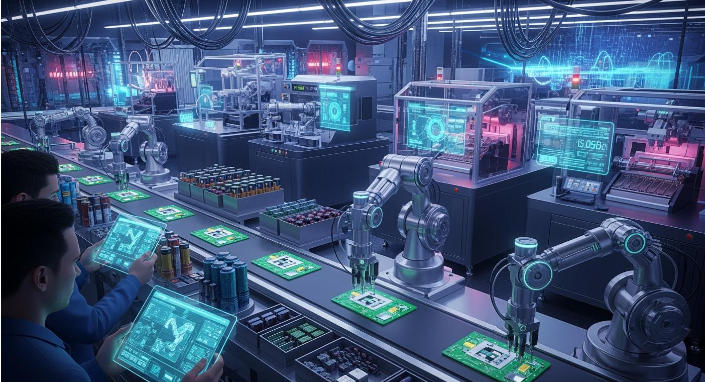
When you evaluate a pcb assembly factory, make sure to review all aspects of their PCBA capabilities. Don’t focus on just one part of their work. By thoroughly checking their pcb assembly service, you can avoid issues such as design errors, poor materials, or improper manufacturing processes. If a pcb manufacturer lacks strong procedures for every stage, you may encounter supply chain challenges or receive subpar PCBA. Selecting a factory that offers comprehensive PCBA solutions reduces risks and supports the success of your project.
Key Takeaways
- Look at the whole PCBA process. Make sure the factory handles each step. They should get parts and do final testing. This helps keep quality high and lowers risks.
- Check the factory’s machines and technology. New machines make better products. They also work faster. Ask to see their main tools.
- Find out if they have strong quality control systems. Good checks find problems early. This saves money and makes products reliable.
- See if they have certifications like ISO 9001 and IPC-A-610. These show the factory follows high standards for quality and safety.
- Read client reviews and case studies. These help you learn about the factory’s reliability. They also show if the factory meets deadlines.
End-to-End PCB Assembly Process
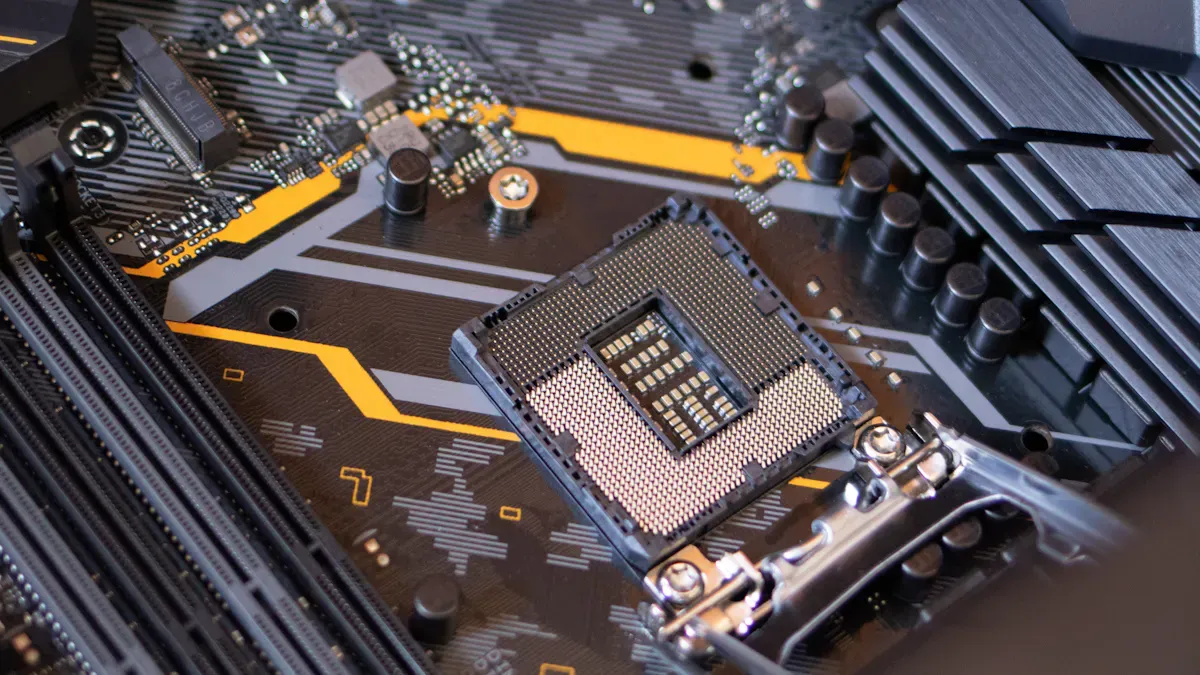
A strong pcb assembly factory takes care of every step. You should check if the factory handles everything from getting parts to checking the final product. This way, you can avoid problems that cause delays or mistakes. Picking a partner who does all the steps gives you more control and helps you track your printed circuit boards.
Component Sourcing & Procurement
Start by seeing how the factory gets and buys parts. Good sourcing makes your pcba faster and better. Factories with good buying rules check quality and use trusted suppliers. They look at papers, check parts, and use X-ray machines to find fake or broken items. This keeps your printed circuit boards safe from bad parts.
Tip: Ask how they check their suppliers. Good pcba factories look at documents, test parts, and only buy from trusted sellers.
Here are some things to think about when you check a factory’s sourcing and buying:
| Evaluation Criteria | What to Look For | Red Flags |
|---|---|---|
| Track Record | Certifications, years in business | No proof or bad reviews |
| Delivery Performance | On-time delivery numbers | Lots of late orders |
| Engagement | Fast answers to questions | Slow or no replies |
| Customer Support | Helpful support teams | Bad customer service |
You should also see if the factory can change for your needs. Flexible suppliers can handle special orders or changes. Quality checks are very important. Factories that test new parts make sure only the best go into your pcba.
Assembly Line Capabilities
The assembly line is where your pcb is made. You want a factory with good machines and strong skills. This helps your pcba meet high standards and finish on time. Machines can put thousands of parts each day, make fewer mistakes, and work faster. Some lines use smart systems that keep mistakes under 0.05%. This means less waste and fewer errors.
Key things to watch for in assembly lines are:
| Key Performance Indicator | Description |
|---|---|
| Materials Management and Inventory Control | Good planning and using materials well so work does not stop. |
| Capacity Assessment and Resource Allocation | Watching how much can be made and changing plans to use resources well. |
| Supplier Management and Cooperation | Good relationships with suppliers for quality and on-time parts. |
| Flexibility of Production Plan | Can change plans fast if the market or orders change. |
| Data-Driven Production Planning | Using data to plan better and make smart choices. |
Automated systems can work all day and night to help you finish on time. They also help you track each pcb as it moves through the line.
Final Testing & Inspection
Testing and checking are the last steps before your pcba leaves the factory. You want the factory to use different ways to find problems. Common tests are:
- Automated Optical Inspection (AOI) to find visual problems.
- BGA X-Ray Inspection for hidden issues in hard boards.
- Functionality Testing to see if the pcb works right.
- In-Circuit Testing (ICT) to check electrical parts.
- Flying Probe Testing for quick checks without special tools.
- Burn-In Testing to find early problems by running the board for a long time.
Factories that use these tests can fix problems before you get your printed circuit boards. They also use tracking systems, like barcodes and logs, to follow each board. This helps you find where problems start and make better boards next time.
Note: Tracking makes it easier to find problems, fix them, and keep your products working well.
When you check a pcb assembly factory, look for good process steps and tracking. These things help you get great pcba and lower risks in your supply chain.
Technical Capabilities & Engineering Support
When you pick a pcb assembly factory, check their technical capabilities and engineering support. These things show if the factory can do your project from start to finish. You want a partner with good machines, smart engineers, and a process that helps manufacturability. This helps you avoid mistakes and get reliable pcba.
Equipment & Technology
Look at the machines and tools the factory uses. New equipment means better quality and faster work. Here are some machines you should see in modern pcba factories:
- Surface-Mount Technology (SMT) equipment, like pick and place machines, solder paste printers, and reflow ovens.
- Turnkey assembly equipment that makes the whole process smooth and reduces errors.
- Through-hole assembly equipment for mounting special parts.
- Inspection and testing equipment, such as visual inspection systems and X-ray machines.
- Extra machines, like AOI (Automated Optical Inspection), flying probe testers, and conformal coating machines.
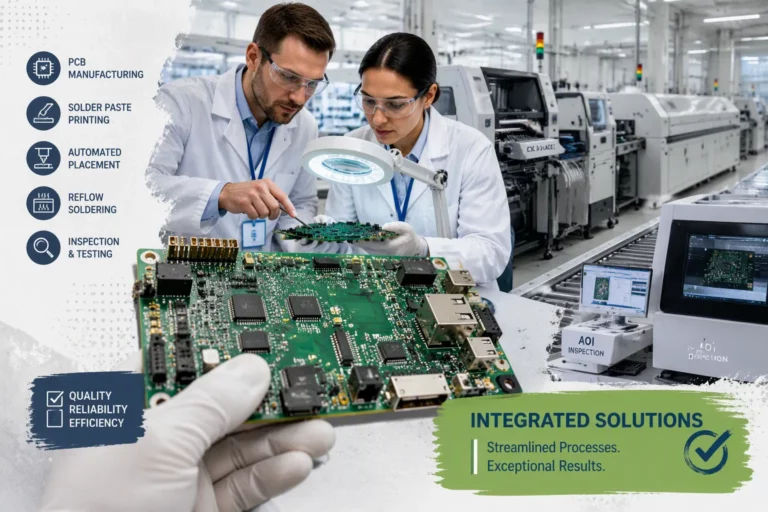
New technology helps factories make pcba faster and with fewer mistakes. Automated inspection systems, like AOI and X-ray, find problems like parts in the wrong place or bad soldering. Automation lets the factory build more pcb in less time. SMT automation can cut production time by up to 70% compared to old ways. Machines can work all day without getting tired, so you get steady quality and high speed. Automation also lowers human error and makes things more exact. The process often uses a solder paste printer, a pick and place machine, and a reflow oven, all watched by automated inspection.
Tip: Ask the factory to show you their main machines. Good equipment means strong manufacturing capabilities and better results for your pcba.
DFM & Engineering Expertise
You want a factory with a skilled engineering team. These experts help you design pcba that are easy to make and work well. A good team will check your files and find problems before they cost you money.
A strong engineering team should have:
- Dedicated engineers for DFM (Design for Manufacturability) and DFA (Design for Assembly) reviews.
- Skills in CAD and EDA tools, like Altium, OrCAD, or KiCad.
- Experience with impedance control, stack-up design, and HDI (High-Density Interconnect).
- Processes for checking Gerber files, BOMs, and pick-and-place data.
- Support for custom stackups, RF, or high-speed digital projects.
- Experience with prototyping and fast changes.
DFM is like baking a cake. You need the right steps and ingredients for a good result. DFM checks make sure your pcb design fits the factory’s process. This saves time and money. Here are some steps in DFM:
| Step | Description |
|---|---|
| 1 | Check manufacturability early to find problems. |
| 2 | Work with design teams to match factory skills. |
| 3 | Get advice from outside experts if needed. |
| 4 | Give tips to improve the design for easier making. |
DFM helps you avoid costly mistakes. It checks your pcb before production starts. This means you fix problems early and keep your project on track.
Prototype & Small Batch Testing
Prototype and small batch testing show what a pcb assembler can really do. These tests help you see if the factory can handle your design and spot issues before big production.
The usual process for prototype and small batch testing includes:
| Step | Description |
|---|---|
| Assembly instructions | Guidelines for putting together pcb. |
| Quality standards | Rules for keeping quality high. |
| Test procedures | Ways to check the finished pcba. |
| Repair guidelines | Steps for fixing any problems. |
| Handling requirements | How to safely move and store pcb. |
| Inspection reports | Notes on what was checked. |
| Test results | What the tests found. |
| Process parameters | Key numbers for the assembly line. |
| Component tracking | Watching which parts go where. |
| Defect analysis | Looking at any mistakes found. |
You should expect both visual and automated inspections. Visual checks look at part placement, solder joints, and surface quality. Automated checks use AOI, X-ray, flying probe, and in-circuit testing. These steps make sure your pcba works before you order more.
Prototype runs help you find problems early. For example, HDI prototype validation can show issues like poor via alignment or heat problems. This means you can fix designs before mass production. Early testing gives you confidence in the factory’s full-service capability and production planning capability.
Note: Always ask for a production capacity assessment and see how the factory handles small batches. This shows their flexibility and readiness for your needs.
A strong check of technical capabilities, engineering expertise, and prototype testing helps you pick the right partner. You get better pcba, save money, and avoid delays.
Quality Management & Certifications
Quality Control Systems
Every pcb assembly factory needs strong quality control systems. These systems help find problems early. They make sure your pcba works well. Good quality checks happen at every step. This keeps your pcb safe and reliable. If a factory has strong quality control, you get fewer bad products. You also save money because you do not need to fix or recall as much.
When you check a factory, look for these things:
- Quality control helps stop defects in pcb assembly.
- It makes customers happy because their pcba works.
- Good systems lower the chance of product recalls.
Many pcba factories use tools like Automated Optical Inspection (AOI) and Statistical Process Control (SPC). AOI helps find problems early. SPC watches important numbers to keep quality high. Some factories use machine learning to spot patterns and fix issues before they get worse.
Certifications (ISO, IPC)
Certifications show a pcb assembly factory meets high standards. Always check for these certifications when you look at a factory. They prove the factory follows strict rules for quality and safety. Here are some important certifications:
| Certification | Description |
|---|---|
| ISO 9001 | Makes sure products are good and customers are happy. |
| ISO 14001 | Focuses on being good to the environment. |
| ISO 13485 | For medical devices, keeps medical PCBs safe and high quality. |
| IPC-A-600 | Shows what good PCB fabrication looks like. |
| IPC-A-610 | Checks quality in PCB assembly, used with IPC-A-600. |
| IPC-2221 | Lists design rules for printed circuit boards. |
| IPC-6012 | Sets rules for how rigid PCBs should work. |
If you see these certifications, you know the factory cares about quality.
Inspection & Traceability
Inspection and traceability help you follow every pcb as it is made. You can find problems fast and fix them before they reach customers. Many factories use barcodes, QR codes, or RFID tags to track each pcba. Laser marking and special codes also help you follow each board’s path.
| Method | Description |
|---|---|
| Barcodes | Printed on PCBs or boxes, holds info like serial numbers. |
| QR Codes | Holds more info, scanned for quick data. |
| Radio-Frequency Identification (RFID) | Uses radio waves to track and find pcba. |
| Laser Marking | Puts permanent info right on the PCB. |
| Unique Identifiers | Gives each PCB its own special code for tracking. |
| Data Matrix Codes | Stores lots of info in a small space, good for small PCBs. |
Traceability helps you find where a problem started. It also helps you change parts and support your products even after they leave the factory. This control gives you trust in your pcba and the factory’s skills.
Supply Chain & Production Planning
A strong supply chain helps you get pcb products on time. Smart planning makes sure your project stays on track. When picking a pcb assembly factory, check how they handle materials and deliveries. Good factories work well with suppliers and plan ahead. This lowers risks and keeps things running smoothly.
Material & Inventory Management
Factories need to keep the right parts in stock. They must avoid wasting materials. The best pcb assembly factories use smart tracking systems. These systems show what parts are available right now. Many factories use Just-In-Time inventory. This means they order parts only when needed. It saves money and space. Kanban systems use cards or signals to show when to restock. Some suppliers help manage inventory for the factory. This makes sure parts do not run out.
Here are some best practices:
- Use software to update inventory in real time.
- Order parts just in time to avoid extra stock.
- Check inventory often to catch mistakes early.
| Strategy | Description |
|---|---|
| Real-Time Inventory Tracking | Software shows stock levels right away. |
| Just-in-Time Inventory | Order parts only when needed. |
| Regular Audits | Check stock often to match records and reality. |
Smart material management stops delays and keeps pcb assembly moving.
Supplier Relationships
Good supplier relationships make pcb assembly easier. You want suppliers who answer quickly and fix problems fast. Strong ties mean better prices and faster help. Suppliers with good finances keep your supply chain safe. Look for suppliers with awards and a good history.
- Communicate clearly to avoid mistakes.
- Pick suppliers with strong customer support.
- Check if suppliers deliver on time.
Reliable suppliers help you get the right pcb parts. This keeps your project on schedule and builds trust.
Lead Time & Delivery
Lead time is how long it takes from order to delivery. You want short lead times and on-time delivery for pcb projects. Many things affect lead time. These include how fast suppliers deliver parts, how complex your pcb is, and how many orders the factory can handle. Good factories plan ahead and watch for slow parts.
| Production Stage | Typical Lead Time |
|---|---|
| Prototype PCB Assembly | 3–7 days |
| Small Batch Production | 10–15 days |
| Medium Volume Production | 2–4 weeks |
| Mass Production | 3–6 weeks |
Factories use agile scheduling to speed up urgent orders. They train teams to handle many tasks. Data helps them spot risks early. Working with a factory that values timely delivery avoids costly delays. It keeps your customers happy.
Tip: Always ask about lead time for each stage of your pcb project. Good planning and strong supplier ties help you get your pcba on time.
Scalability, Flexibility & Customer Service
Volume & Order Flexibility
You need a quick-turn pcb manufacturer who can work with any order size. This helps you keep up with market changes. Sometimes you only need a few pcb units for tests. Other times, you need thousands for big orders. A strong quick-turn pcb manufacturer uses smart ways to handle these changes. You can see these ways in the table below:
| Strategy | Benefits |
|---|---|
| High Mix, Low Volume Production | Flexibility, speed, and quality across industries. |
| Faster Design Iterations | Ideal for prototyping and evolving product designs. |
| Reduced Inventory Risk | Minimizes extra stock and helps you react faster. |
| Support for Complex Builds | Handles mixed-technology PCBs and special parts. |
| Adaptability to Market Shifts | Lets OEMs keep up with demand changes without new tools. |
| Lower NRE/Tooling Costs | No big upfront cost for small orders. |
| Stronger Product Differentiation | Makes it easy to create many versions for small markets. |
| Agile HMLV Production | Fast changeovers and steady quality for every build. |
| Efficient Component Management | Easy handling of many SKUs with one sourcing system. |
| Quality Consistency Across Builds | Keeps strict quality checks for every unit, so all work well. |
A quick-turn pcb manufacturer with these skills can help your business grow. You can count on them to send the right number of pcb products when you need them.
Handling Design Changes
You might need to change your pcb design while working on your project. A quick-turn pcb manufacturer should help you make changes fast. They use quick design updates and flexible production. This lets you try new ideas and fix problems right away. You do not have to wait long for new tools. You also save money because you do not need new equipment. This support helps you stay ahead of others.
Tip: Pick a quick-turn pcb manufacturer who can handle design changes fast and keep your project moving.
Communication & Support
Good communication makes your project go smoother. A quick-turn pcb manufacturer should answer your questions quickly. They use AI to reply faster. They check how fast they answer and how long it takes to fix your problem. They also watch how many times your ticket moves to another team. These steps help them solve problems faster.
- They use CSAT surveys to see if you are happy with their help.
- They check first response time to see how fast they reply.
- They track how long it takes to fix your issue.
- They count how many times your ticket is sent to another team.
Customer happiness is important. Many factories use CSAT surveys after each order to ask about your experience. They also use Net Promoter Score (NPS) surveys to see if you would tell others about them. These tools help the quick-turn pcb manufacturer get better at helping you.
Note: Fast and clear support helps you finish your pcb project on time and with less worry.
PCB Manufacturer Reputation & Cost
Client Reviews & Case Studies
You should always check the reputation of a pcb fabricator before you choose them. Client reviews and case studies give you a clear picture of what to expect. When you read about past projects, you learn if the factory has experience with projects like yours. You also see if they finish work on time and keep quality high.
- Client feedback shows if the company delivers good work.
- Reviews help you understand if the factory meets deadlines.
- Case studies let you see how the factory handles final product testing and other important steps.
- When you ask for examples of similar projects, you learn about the expertise of the manufacturer’s team.
- Feedback from past clients helps you judge the reliability and reputation of the factory.
Tip: Look for detailed reviews that mention testing, delivery, and support. These details help you know if the factory can meet your needs.
Pricing Transparency & Value
You need to know what you are paying for when you pick a pcb fabricator. Transparent pricing means you see all costs up front. This helps you avoid hidden fees and surprises. A good factory will show you a clear price list for assembly, materials, and testing.
| What to Check | Why It Matters |
|---|---|
| Clear Quotes | You know the full cost before you order. |
| Itemized Breakdown | You see costs for each step, like testing and assembly. |
| No Hidden Fees | You avoid extra charges later. |
| Value for Money | You get quality work at a fair price. |
You should compare prices from different factories. Make sure each quote includes all testing steps, from start to finish. This way, you know you are getting value and not missing any important services. A factory with a strong reputation will always offer clear pricing and high-quality testing.
Use this checklist when you pick a PCBA factory:
- Make sure the factory does every step, from getting parts to testing.
- See what machines they use and how their engineers help.
- Look for good quality checks and important certifications.
- Ask how they handle materials and deliver your order.
- Check if they can change plans and help customers well.
- Read what other people say and look at prices.
If you check everything, you can find a good partner. You will get better PCBA and have less trouble if you follow these steps.
FAQ
What certifications should a reliable PCBA factory have?
You should look for ISO 9001, IPC-A-610, and ISO 14001. These show the factory cares about quality and safety. Medical projects need ISO 13485. Ask to see proof of these certifications.
How can I check a factory’s quality control?
Ask about their inspection steps. Good factories use AOI, X-ray, and in-circuit testing. You can also request sample reports or visit the factory to see their process.
Why does traceability matter in PCBA manufacturing?
Traceability lets you track each board from start to finish. If you find a problem, you can see where it started. This helps you fix issues faster and improve your products.
Can a PCBA factory handle urgent or small orders?
Many strong factories offer quick-turn and small batch services. You should ask about their minimum order size and lead times. This helps you plan your project better.
What should I check in client reviews?
Look for comments about delivery, quality, and support. Reviews that mention testing and communication show the factory’s strengths. Case studies with details help you see real results.