 English
 Arabic
 Chinese (Simplified)
 Dutch
Dutch French
 German
 Italian
 Portuguese
 Russian
 Spanish
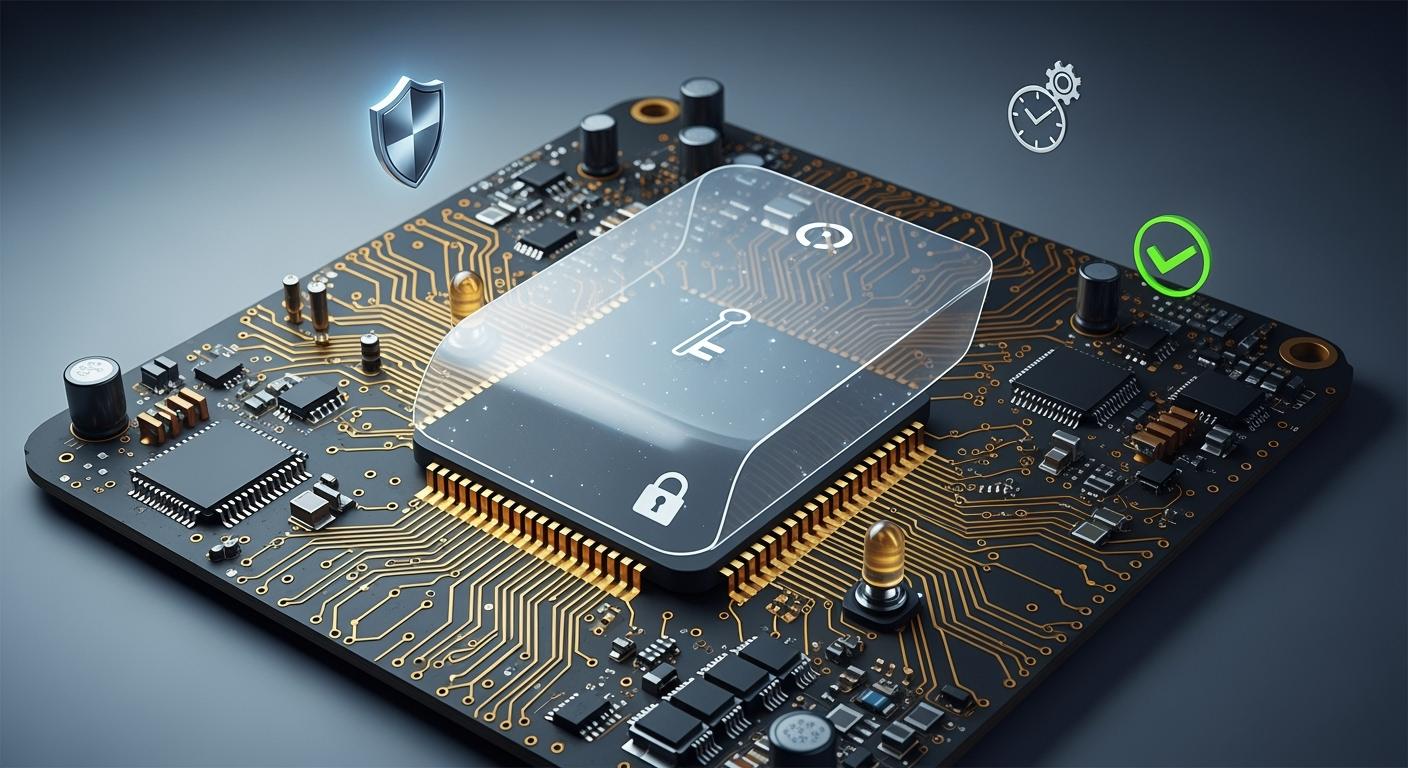
A pcb surface finish keeps copper safe from rust and harm. You need a finish to make your pcb last and easy to solder. There are two main types of surface finishes: metallic and organic. Picking the right finish helps printed circuit boards last longer and work better.
Key Takeaways
- A PCB surface finish keeps copper safe from rust and harm. This helps the board last longer and work better. Picking the right finish is important for your project. ENIG is strong and lasts long. OSP costs less and saves money. Good finishes make soldering easier. This gives stronger joints and better circuits. Think about the environment when you pick a finish. OSP is good for nature and follows RoHS rules. You should balance cost and how long it lasts. Cheaper finishes save money but may not last as long.
PCB Surface Finish Basics
What is a PCB Surface Finish?
A pcb surface finish is a thin layer on copper. This layer keeps copper from rusting or getting hurt by air or water. The finish helps you solder parts onto the board. Every pcb needs a surface finish to work well and last longer.
You can find many materials used for pcb surface finishes in electronics:
- HASL (Hot Air Solder Leveling): This uses melted solder and is good for through-hole parts.
- ENIG (Electroless Nickel Immersion Gold): This finish is great for small parts and meets RoHS rules.
- OSP (Organic Solderability Preservatives): This is lead-free and better for the environment.
- Immersion Tin: This finish works for small parts and follows RoHS rules.
- Immersion Silver: This finish uses silver to protect copper from rust.
Protective Functions
A pcb surface finish does more than just cover copper. It keeps your printed circuit board safe from many problems. Here are some ways it helps:
- It stops rust and keeps your board working for a long time.
- It keeps copper pads ready for soldering, which helps make strong joints.
- It protects the board from water and changes in temperature.
- It helps the board stand up to chemicals and bumps.
The table below shows how a pcb surface finish protects against different things:
| Environmental Factor | Protective Function |
|---|---|
| Oxidation | Stops resistance from going up and keeps performance steady. |
| Corrosion | Protects copper traces and pads for long use. |
| Humidity | Blocks water, stopping rust in wet places. |
| Temperature fluctuations | Handles shrinking and growing, stopping cracks or peeling. |
| Chemical exposure | Fights off some chemicals, keeping the finish strong. |
| Mechanical stress | Stands up to shaking and bumps, keeping the board safe when used. |
A good pcb surface finish also makes soldering easier. It gives you a smooth, clean place to solder parts. This means you get strong and steady connections every time you build or fix a board.
Types of Circuit Board Surface Finishes
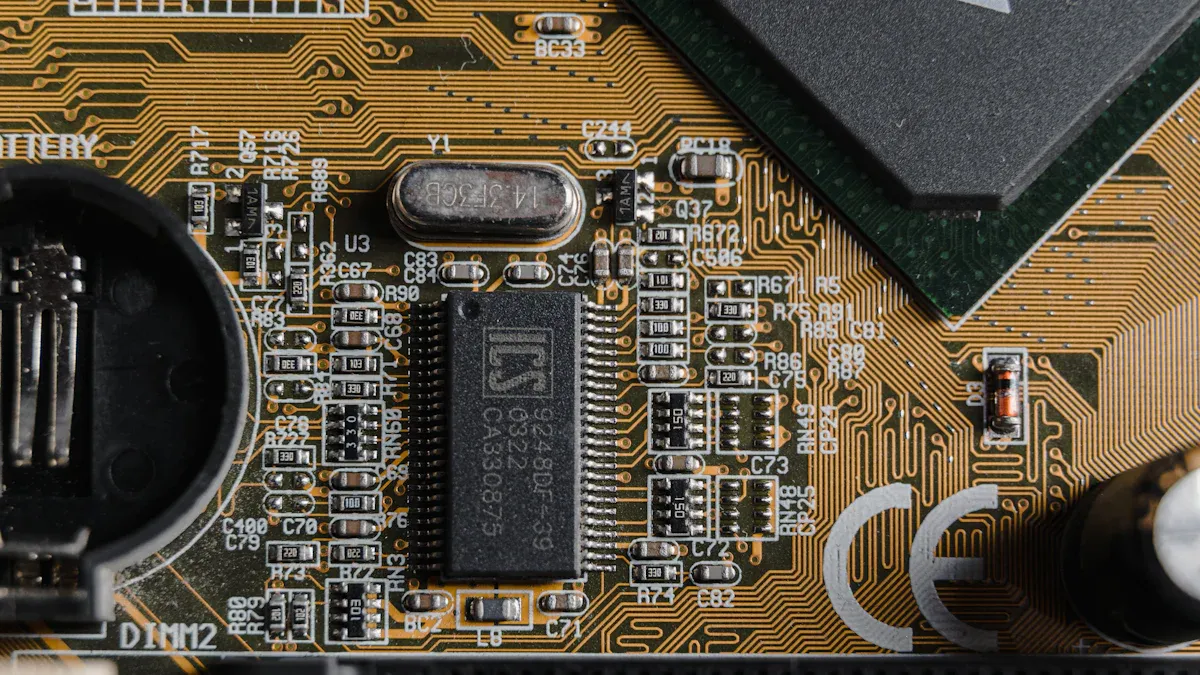
Metallic Finishes Overview
Many pcbs have metallic finishes. These finishes use metal to keep copper safe. They also help with soldering parts. Some common metallic finishes are HASL, lead free hasl, ENIG, ENEPIG, immersion silver, and immersion tin. Each metallic finish has special strengths.
Here is a table that shows what metallic finishes are made of:
| Surface Finish Type | Composition Details |
|---|---|
| Metallic | HASL, ENIG, ENEPIG, immersion gold, and immersion tin. These use thick nickel-gold alloys. This gives strong electrical properties and protects from rust for a long time. |
ENIG is great for boards that need to work well for a long time. It gives strong protection from rust and is easy to solder. ENEPIG gives even better protection for tiny parts. Lead free hasl is popular because it follows RoHS rules and does not use harmful metals.
Here is a table that shows how thick ENIG and immersion silver are:
| Surface Finish | Nickel Thickness (µm) | Gold Thickness (µm) |
|---|---|---|
| ENIG | 4 to 7 | 0.05 to 0.23 |
| ImAg | 4 to 12 | N/A |
Organic Finishes Overview
Organic finishes use chemicals instead of metal. OSP is the most common organic finish. It puts a thin chemical layer on copper. This layer keeps air and water away from copper. OSP is simple and costs less than metallic finishes. It works well for lead-free pcbs and is better for the planet.
Here is a table that compares organic and metallic finishes:
| Surface Finish Type | Composition Details |
|---|---|
| Organic | OSP uses a chemical film on copper. It blocks rust and water. It is simpler and cheaper than metallic finishes. |
Organic finishes like OSP do not use heavy metals. Choosing OSP helps the planet. The table below shows how each finish affects the environment:
| Surface Finish | Environmental Impact | Compliance |
|---|---|---|
| OSP | More eco-friendly, no heavy metals, less waste | Meets RoHS rules |
| Metallic (HASL, Gold Plating, ENIG) | Needs more chemicals, bigger impact on the environment | Not as eco-friendly |
Common Surface Treatments
You can pick from many pcb surface treatments. Here are the most common choices:
- ENIG: This finish protects from rust and is easy to solder. It is best for boards that need to last.
- HASL: This finish saves money and works for most boards. Lead free hasl is safer for the planet.
- Lead free hasl: This finish does not use lead and meets RoHS rules.
- OSP: This finish costs less and is good for the planet. It does not last as long as metallic finishes.
- Immersion silver: This finish is great for tiny parts. You need to watch for tarnishing.
- Immersion tin: This finish works for small parts and meets RoHS rules.
- ENEPIG: This finish gives the best protection for advanced boards.
Note: Pick the surface finish that fits your pcb needs. Think about how long you want your board to last, how much you want to spend, and how it affects the planet.
Metallic finishes protect your board and help it last longer. Organic finishes save money and help the planet. Each finish works best for different needs.
Printed Circuit Board Protection Mechanisms
How Surface Finishes Prevent Deterioration
You want your printed circuit board to last many years. The pcb surface finish works like a shield for copper. It keeps air and water away from copper traces. If oxygen touches copper, copper oxide forms. Copper oxide stops electricity from moving well. This can make your board stop working over time.
The surface finish stops this from happening. It makes a barrier that keeps oxidation and water away from copper. This helps your printed circuit board stay strong and work well.
Tip: A strong finish means you fix less and your circuits work better.
Here is a table that shows how different finishes protect copper from oxidation and corrosion:
| Surface Finish | Protection from Oxidation | Protection from Corrosion |
|---|---|---|
| ENIG | Excellent | Excellent |
| Immersion Silver | Good | Good |
| Immersion Tin | Good | Good |
| OSP | Fair | Fair |
- Corrosion happens when oxygen joins with copper.
- Copper oxide does not let electricity pass.
- The finish keeps copper safe from air and water.
Solderability and Electrical Performance
You need great solderability for strong connections. ENIG gives you great solderability because it is smooth and flat. This makes it easy to put and solder small parts. Immersion silver and immersion tin also give great solderability for most printed circuit boards.
When you use a finish with great solderability, you get strong joints. This helps your board work well for a long time. ENIG is special because it keeps electrical signals clear and steady. Immersion finishes help with small parts and thin lines.
Note: Pick a finish that fits your board’s needs. ENIG is best for high-performance boards. Immersion silver and immersion tin are good for most boards.
A good finish keeps your printed circuit board safe and helps it work better. You get strong solder joints and steady electrical signals every time.
Choosing the Right PCB Surface Finish
Durability Factors
When you pick a printed circuit board surface finish, you want it to last. Durability means the finish can handle heat, stress, and use over time. Some finishes protect better than others. ENIG gives great corrosion resistance and works for tiny parts. ENEPIG is even more reliable in tough places. HASL protects against moisture but is not good for small parts.
You should look for a finish that:
- Keeps copper traces and solder pads safe from rust.
- Stays strong when heated, shaken, or bumped.
- Makes soldering easy during assembly.
If you choose a weak finish, your board may not last. It could break in hard conditions or when fixing. Designers try to balance cost and durability. Cheaper finishes like OSP and HASL work for simple boards. Expensive finishes like ENIG or hard gold are best for devices that need to last.
Environmental Resistance
Your printed circuit board faces things like humidity, temperature changes, and chemicals. The right finish helps your board survive these problems. ENIG is great for stopping rust and works for tiny parts. ENEPIG is best for tough places. Immersion silver and immersion tin are easy to solder and handle some moisture. OSP is good for short-term use but does not last in wet places.
Here is a quick guide to how finishes work in tough spots:
- HASL: Stops moisture but not good for tiny parts.
- ENIG: Stops rust and works for small parts.
- OSP: Good for short use, not for long wet times.
- Immersion silver and tin: Easy to solder, okay with moisture.
- ENEPIG: Best for long use in hard places.
Finishes help block water, moisture, and dirt. This stops short circuits and keeps your board working. Strong coatings keep your devices safe, even when things change.
Note: If your board goes in cars or outside, try immersion silver, OSP, or immersion tin. These finishes work well for car electronics.
Cost and Application Needs
You need to match your finish to your project and budget. Some finishes cost more but work better. Others save money but may not last as long. Here is a table to help you compare costs for big projects:
| Surface Finish | Cost Range | Notes |
|---|---|---|
| HASL | $15–$25 | Good for most boards |
| OSP | $20–$35 | Used in electronics |
| ENIG | $40–$70 | Best for high-end |
Cheaper finishes like OSP and HASL are good for simple electronics. ENIG costs more but lasts longer and works better. If you need a finish for medical devices, you must follow strict safety rules. Always check if your finish meets industry standards.
Rules also affect your choice. In Europe and North America, laws like RoHS and REACH limit lead-based HASL. Many companies now use lead-free finishes to protect people and the planet.
| Regulation | Description |
|---|---|
| RoHS | Limits dangerous stuff like lead in electronics. |
| REACH | Promotes safer choices instead of lead in making things. |
If you care about recycling and the planet, pick eco-friendly finishes. These finishes protect your board and make recycling easier. They also cut down on toxic waste.
When you design flexible printed circuit boards, the finish matters even more. ENIG and immersion silver keep signals clear for fast uses. Immersion tin is good if you want to save money for simple projects.
Tip: Always balance cost, strength, and what you need. The right finish helps your board last longer and work better.
Circuit Board Surface Finishes Comparison
Protection Level Table
You want your printed circuit board to last. Different finishes protect in different ways. The table below shows how each finish handles rust, wear, and tough use.
| Surface Finish | Best For | Reliability Ranking | Corrosion Resistance | Solderability | Wear Resistance |
|---|---|---|---|---|---|
| ENIG | High-reliability applications (medical, aerospace, telecom) | Highest | Excellent | Excellent | Good |
| OSP | General applications | Moderate | Fair | Good | Poor |
| ENEPIG | Specialized applications | Variable | Excellent | Excellent | Good |
| Hard Gold | Frequent contact, connectors | High | Good | Fair | Excellent |
| Immersion Silver | Consumer electronics | Good | Good | Good | Fair |
| Immersion Tin | Lead-free, simple boards | Good | Good | Good | Poor |
| HASL (Lead-free) | General, lead-free boards | Moderate | Good | Good | Fair |
Immersion Gold (ENIG) stops rust and makes soldering easy. This finish is best for important jobs like airplanes and medical tools.
ENIG lasts a long time. It protects well against rust. ENIG is easy to solder, so it is great for important uses.
Ideal Use Cases
You need to pick the finish that fits your board’s job. Some finishes work best for high-tech boards. Others are good for simple or eco-friendly projects. The table below shows where each finish works best.
| Surface Finish | Ideal Use Cases |
|---|---|
| ENIG | High-performance PCBs, complex designs with fine-pitch components, high soldering performance and precision |
| OSP | General-purpose PCBs, environmentally friendly and lead-free applications |
| Hard Gold | Applications needing high wear resistance and frequent contact, such as connectors and switches |
| Immersion Silver | Consumer electronics, lead-free boards, and cost-sensitive projects |
| Immersion Tin | Lead-free, simple printed circuit board designs |
| HASL (Lead-free) | General electronics, lead-free and cost-effective boards |
ENIG is good for boards that need high precision. Hard gold is best for connectors and switches that get touched a lot. OSP is great for green projects and everyday electronics. Immersion silver and immersion tin help make lead-free boards for most consumer uses.
You want your pcb to last and work well. ENIG gives strong protection and works best for harsh places. OSP and HASL help with simple jobs and save money. For high-frequency circuits, experts suggest these finishes:
- ENIG for outdoor or automotive printed circuit board designs that need to fight rust.
- Immersion Silver for fast data devices that need good signals and lower cost.
Always match your finish to your needs. Ask a pcb expert if you need help.
FAQ
What is the main job of a PCB surface finish?
You use a surface finish to protect copper from rust and damage. It also helps you solder parts onto the board. This keeps your circuit working well for a long time.
How do I choose the best surface finish for my project?
You should think about how long you want your board to last, how much you want to spend, and where you will use it. ENIG works best for tough jobs. OSP saves money for simple projects.
Does the surface finish affect soldering?
Yes, it does. A good finish gives you a smooth, clean place to solder. ENIG and immersion silver make soldering easy. OSP works for short-term use.
Which finish is safest for the environment?
OSP is the most eco-friendly choice.
It does not use heavy metals and meets RoHS rules.
You help the planet when you pick OSP for your boards.